Content Reviewed By: Dr. Steve Knighton, B.Sc., D.C. on October 16, 2026
Chiropractic License Number: 5580
Rib Subluxation Treatment Oakville
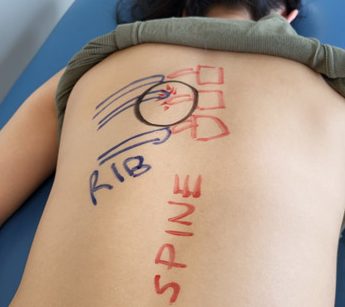
Rib subluxation commonly causes a sharp, aching or “stuck” pain 2 – 3 cm beside the spine or underneath the shoulder blade.
Patients often describe feeling like a rib is out of place, especially with twisting, reaching, deep breathing, coughing or certain movements.
At our Oakville chiropractic clinic, Doctor Steve Knighton assesses the rib joints, thoracic spine and surrounding muscles to determine what is actually causing the pain before beginning treatment.
Pain lower around the rib cage can sometimes be caused by slipping rib syndrome, which is different from the more common rib-joint problem near the spine.
Looking for slipping rib syndrome?
Where Does A Rib Subluxation Pain Usually Hurt?
Rib subluxation pain is commonly felt approximately 2–3 cm from the spine and may sit directly underneath or along the inside border of the shoulder blade.
The discomfort can remain very localized or travel around the side of the rib cage.
Pain location can help identify the structures involved, but it does not establish the diagnosis by itself.
Doctor Steve examines the ribs, thoracic spine and surrounding muscles before deciding whether chiropractic treatment is appropriate.
For rib-related muscle pain and restricted movement, our Oakville physiotherapy team can provide hands-on treatment and rehabilitation exercises when appropriate.
Rib Subluxation Treatment
Treatment depends on what Doctor Steve finds during the examination. For a typical mechanical rib-joint problem, our goal is to reduce pain and muscle guarding, restore movement through the rib and thoracic joints and address the surrounding soft tissue contributing to the problem.
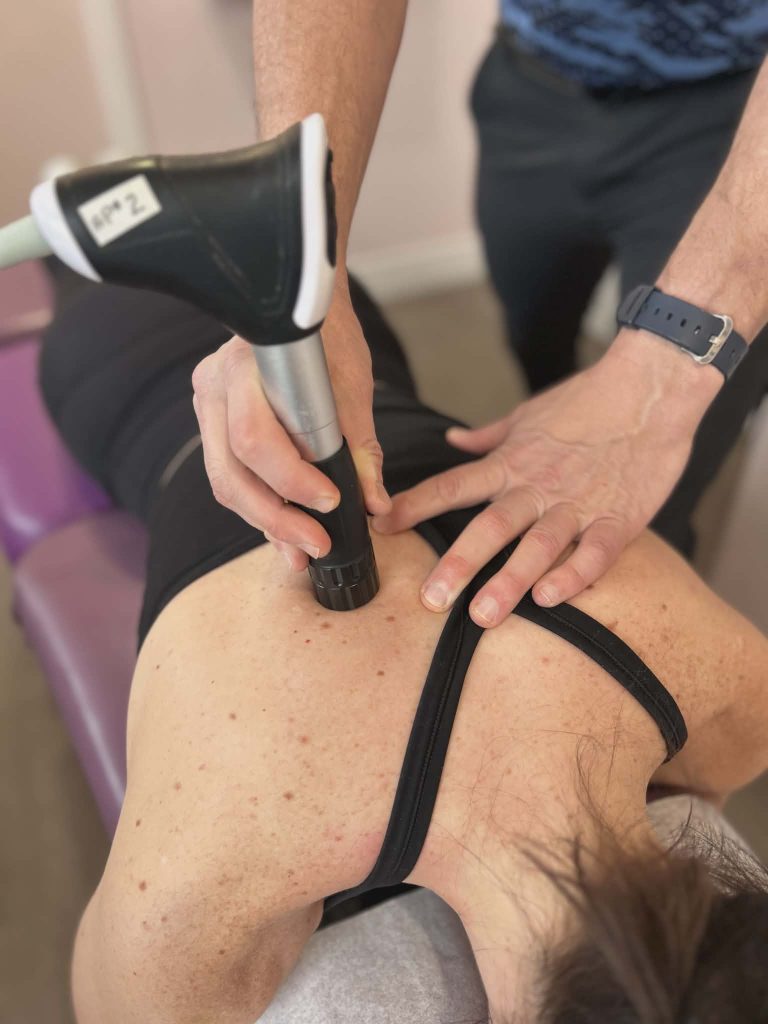
At our Oakville clinic, treatment may include suction IFC with heat, shockwave therapy, hands-on soft tissue therapy and chiropractic adjustment or mobilization of the affected rib and thoracic spine.
Video of Rib Subluxation Treatment
4 Steps to Treating Rib Subluxations
1. Interferential Current Therapy:
At our Oakville chiropractic clinic, Dr. Steve utilizes Interferential Current (IFC) therapy with advanced vacuum electrodes rather than traditional sticky pads used in most clinics.
This method provides a deeper, more effective treatment, helping to control pain and relax the muscles surrounding the subluxated rib and thoracic spine.
Patients often describe IFC as feeling like a deep, soothing massage that not only relieves discomfort but also helps loosen tight tissues causing the slipped rib, making subsequent adjustments more effective.
To further enhance blood flow and accelerate the healing process, we combine IFC therapy with targeted heat application, ensuring optimal recovery and long-lasting relief of rib pain.

2. Shockwave Therapy For Rib Pain

Shockwave therapy for slipped ribs and rib subluxations is a cutting-edge, scientifically backed treatment that accelerates healing and relieves rib pain.
Using a pneumatic applicator, the device delivers high-energy pulses at a rate of 15 times per second.
Our rib pain specialists typically apply between 1,000 and 1,200 pulses to the affected area, always adjusting the intensity to match the patient’s comfort level.
Treatment will vary slightly between a diagnosis of slipped ribbed and a rib subluxation.
This powerful shockwave therapy helps break down adhesions and scar tissue around a misaligned rib while stimulating the formation of new blood vessels. ESWT Shockwave Therapy enhances circulation, promotes long-term healing, and reduces pain, making it an essential part of our comprehensive rib pain treatment protocol.
Shockwave Therapy is what differentiates Dr. Steve’s Rib Subluxation Treatment from other clinics!
3. Chiropractic Rib Subluxation Adjustment
Every step of our rib pain treatment is carefully designed to maximize the effectiveness of the adjustment. Rather than rushing through the process.
Dr. Steve and his team take the time to prepare the injured area with Interferential Current Therapy (IFC), heat, and shockwave therapy.
This preparation reduces muscle tension, promotes circulation, and enhances mobility, allowing for a more effective and comfortable rib adjustment.
For the adjustment itself, Dr. Steve will likely have you lie on your back while positioning his hand behind the affected rib.
With a controlled and precise movement, he applies a gentle but firm push—often resulting in instant relief for the patient
To further support the healing process, our chiropractors may also adjust the cervical spine and thoracic spine if necessary. This comprehensive, evidence-based approach ensures optimal recovery and long-term relief.

4. Thoracic Spine Treatment For Rib Pain
Thoracic Spine Treatment Video:
Your thoracic spine—the middle portion of your back—and your rib joints work together during breathing, reaching and rotation. Although these structures sit close together, they need to be assessed individually.
When the thoracic spine becomes stiff or restricted, it can change how movement and load are shared across the surrounding rib joints and muscles.
Doctor Steve checks both areas to identify where movement is limited and what reproduces your symptoms. Treatment includes hands-on work to the muscles and soft tissues beside the spine, addressing tightness and guarding that can make turning or taking a deep breath uncomfortable.
When appropriate, Doctor Steve manually adjusts or mobilizes the thoracic spine as a separate part of your rib pain treatment.
Rib adjustments address the affected rib joints; thoracic treatment addresses restricted spinal movement. We combine this care with targeted mobility exercises to support comfortable movement through the middle back and rib cage.
Know Your Rib Pain
Some patients enter our clinic with what we think is a Rib Subluxation or a slipping rib syndrome, but it turns out they have your “basic” mid back pain or thoracic spine pain. This is usually a circumstance of working on the computer too much or the more common Text Neck.
Although similar to rib subluxation treatment, thoracic spine treatment is more focused on the spine and correcting posture. Treatment for Thoracic Spine pain can be seen in the video below.
Many diseases and medical conditions can mask themselves as pain in the arms, shoulders, or legs such as heart attacks, stroke, or arthritis. Consult with your medical professional to ensure the pain you are experiencing isn’t something more dangerous or life threatening.
Pain near the lower ribs and upper low back can come from different structures. Rib-joint pain, thoracic-spine pain, nearby muscle pain and pain referred from the thoracolumbar junction have different patterns. Read our guide to thoracolumbar junction pain and related pain patterns
If rib or mid-back discomfort keeps interrupting your golf swing or other sporting movements, tell us which part of the movement triggers it. Our sports chiropractic team in Oakville assesses the problem and determines whether hands-on care and rehabilitation are appropriate.
How long does it take a rib subluxation to heal?
Recovery depends on the cause of your rib pain, how long it has been present and how you respond to treatment. Pain relief and a full return to comfortable movement can happen at different stages.
Doctor Steve has assessed patients with rib pain lasting months or years. Persistent symptoms require a clear diagnosis, including distinguishing rib joint irritation from slipping rib syndrome.
Our Oakville clinic uses a four-step treatment approach tailored to your assessment, with progress reassessed to guide care and address ongoing pain and restricted movement.
Rib Pain Treatment and Diagnosis
With nearly two decades of experience, Dr. Steve uses evidence-based techniques to restore proper rib alignment and alleviate discomfort effectively.
If you’re experiencing rib pain or the feeling of a rib out of place in the back, trust our expert team to provide targeted, results-driven care to get you feeling better, faster!
Rib and mid-back discomfort can also develop during pregnancy as the abdomen and rib cage change. Pregnant patients should receive appropriately modified care, which we explain on our pregnancy chiropractor Oakville page.
Rib pain after a workplace injury? Learn about WSIB claims and treatment in Oakville. Our car accident rehabilitation program also addresses rib and thoracic spine pain from seatbelt pressure or impact, alongside whiplash.

Slipping Rib Syndrome vs Rib Subluxation
Rib subluxation and slipping rib syndrome are closely related conditions involving abnormal movement of the ribs, but they present slightly differently.
Rib subluxation typically refers to a restriction or minor displacement of a rib at the spine or costovertebral joints, often causing localized pain and stiffness.
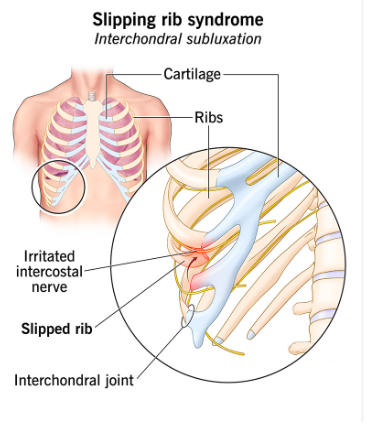
Slipping rib syndrome, on the other hand, usually involves the lower ribs (commonly ribs 8–10) where the cartilage becomes more mobile and can move excessively.
This can lead to a sharp, intermittent pain, sometimes accompanied by a clicking or popping sensation as the rib shifts and irritates nearby nerves.
While both conditions involve abnormal rib mechanics, slipping rib syndrome is more commonly associated with hypermobility and nerve irritation, whereas rib subluxation is often related to joint restriction and muscular imbalance.

Key Differences Between Rib Subluxation and Slipping Rib Syndrome
• Rib subluxation is typically a joint restriction or minor displacement near the spine
• Slipping rib syndrome involves excessive movement of the lower ribs due to cartilage instability
• Slipping rib syndrome often produces a clicking or popping sensation
• Pain from slipping rib syndrome may be more sharp, intermittent, and harder to localize
• Rib subluxation pain is often more localized and reproducible with movement or palpation
Pain around the lower ribs or side of the back does not automatically mean slipping rib syndrome. Symptoms near the lower thoracic and upper lumbar spine can also be felt away from their source. Our page on TL junction pain explains one pattern that can be confused with nearby back or pelvic pain
What is a Rib Subluxation?
Rib subluxation can be misdiagnosed by the medical doctors in Oakville. Too many times we get patients complaining of chronic mid back, under the shoulder pain that wraps around to the front of their chest or stomach.
Some of these patients have been suffering for months or even years. X-rays, MRI, blood work, days of work for the cardiologist just to come back with negative results. All this pain to have been caused by a misdiagnosed subluxated rib.
If you are suffering from pain, about an inch or so off one side of your spine that you can’t seem to press, pull, or stretch is most likely a problem with your rib head. Welding, vacuuming, sneezing, and yard duties are the major causes. However, in this computer driven society the biggest problem we find at our clinic is a tight and restricted thoracic spine.
This causes the rib heads to over compensate in ways they are not meant to work due to the tightness of the mid back. Check out this video by Dr. Steve Knighton, our Oakville Chiropractor, to learn more about Rib Subluxation and how our Oakville Chiropractor treats them!
Anatomy Of A Rib Subluxation
What Is Slipping Rib Syndrome
Treatment For Slipping Rib Syndrome
Our Approach to Slipping Rib Syndrome
Slipping rib syndrome can cause sharp or intermittent pain around the lower chest or upper abdomen, sometimes with clicking or popping. Its symptoms can resemble pain from the ribs, thoracic spine or surrounding muscles, but slipping rib syndrome involves increased movement of the lower rib cartilage. That distinction matters when planning care.
1. Suction IFC With Heat
When appropriate, suction interferential current therapy (IFC) with heat may be used to help manage discomfort and muscle tension around the rib cage. The treatment is adjusted to your comfort and the areas identified during the assessment.
2. Shockwave Therapy
Shockwave therapy may be considered when the examination identifies a relevant, treatable soft-tissue area around the ribs or thoracic spine. The location and intensity are selected for the individual; shockwave is not used to push a mobile rib into place.
3. Manual Adjustments
If the examination also identifies restricted movement in the thoracic spine or a nearby rib joint, Doctor Steve may consider appropriate manual treatment to those areas. The technique is chosen according to your symptoms and findings. A mobile lower rib is not forcibly manipulated, and treatment is modified or avoided if it aggravates your symptoms.
4. Hands-On and Instrument-Assisted Soft-Tissue Treatment
The final step may include hands-on soft-tissue treatment or instrument-assisted soft-tissue mobilization (IASTM) to selected muscles around the rib cage and upper abdomen. This work is directed at surrounding tissues that may be contributing to tenderness or movement sensitivity—not at correcting rib-cartilage hypermobility. Pressure and technique are adjusted to your presentation.
What Our Patients Are saying
-
I would definitely recommend the Nottinghill Family Wellness Centre for anyone in need of chiropractic services. Dr. Steve significantly improved my back posture after two to three sessions; the staff are both friendly and professional, and the atmosphere is very relaxing.

 Rick Dong
October 7, 2024Dr. Jenn thank you for all the years looking after our family, you are nothing short of a miracle worker. Always refer friends to your practice, sorry we are moving, you will be missed. Audrey, thank you for always accommodating us on short notice and following up, lifesaver. ... read more
Shona Mindzak
December 7, 2024Highly recommend - Dr. Steve is an amazing chiropractor. As a huge bonus, he gives good running advice—so come see him if you want to get into running and learn how to stay injury-free!"
Melissa R
June 13, 2026 -
Less than 6-7 min. by chiropractor. Waste of money.
Jadis
March 31, 2026Dr. Steve is one of the humble person. He always treats you like a friend and pay attention to your problem. Moreover, he politely explains each and every problem and solutions. The staff of this clinic is also very good. All the staff greets you. When you are waiting at... read more
Sanyam Jain
August 7, 2024Amazing people and treatment here! My back was killing me and within 3 weeks they got me fixed to 100%!
Blaze Slavkovski
July 7, 2024 -
Awesome experience. Very welcoming and always left feeling rejuvenated
John Stones
July 7, 2024The staff and the doctors at this place are amazing. My husband and I both have had really good experience with 2 different doctors here. After years of suffering and going to different practitioners finally Dr. Jenn worked magic on my lower back pain and neck. I've... read more
amal farooq
October 7, 2024Dr Steve and all the staff are excellent. He has been on point in helping us deal with some injuries and pains; shock wave therapy is a game changer. Now, all the family goes there. From injuries to posture, they are our go-to clinic. Highly recommend.
Jorge Vidal
December 7, 2024


Rib Pain Red Flags: When to Seek Medical Attention
Red flags associated with rib pain or suspected slipping rib syndrome should always be carefully screened to rule out more serious underlying conditions. While most rib-related pain is mechanical and musculoskeletal in nature, certain symptoms require prompt medical evaluation. Seek urgent care if pain is severe, constant, or worsening without a clear mechanical trigger, especially if it is accompanied by shortness of breath, chest pressure, or pain radiating into the arm, jaw, or upper back, as these may indicate cardiac involvement.
Additional red flags include fever, chills, unexplained weight loss, or a history of cancer, which may suggest infection or more serious systemic disease. Significant trauma, such as a fall or motor vehicle accident, raises concern for rib fracture or internal injury. Neurological symptoms such as numbness, tingling, or weakness extending into the torso or lower extremities should also be assessed further.
Pain that does not change with movement, breathing, or position, or that wakes you at night, may indicate a non-mechanical source. If symptoms persist despite appropriate conservative care, worsen over time, or present atypically, further medical investigation including imaging or specialist referral is recommended to ensure safe and accurate diagnosis.
Rib Subluxation and Slipping Rib Syndrome FAQs
What is rib subluxation?
“Rib subluxation” is often used to describe painful or restricted movement where a rib meets the spine. Patients may describe this as a rib feeling “out of place.” However, pain and stiffness alone do not establish that a rib has physically displaced. An assessment helps identify whether the rib joints, thoracic spine or surrounding muscles are involved.
What is the difference between rib subluxation and slipping rib syndrome?
Pain described as a rib subluxation commonly occurs near the spine or shoulder blade. Slipping rib syndrome involves excessive movement of the cartilage connections of the lower ribs, usually ribs 8–10. It can cause lower chest or upper abdominal pain, sometimes with clicking or popping. The distinction matters when choosing treatment.
What does rib subluxation feel like?
Patients commonly describe a sharp catch, deep ache or tender spot beside the spine or beneath the shoulder blade. Pain may spread around the rib cage and become more noticeable with reaching, twisting or breathing deeply. These symptoms can have several causes, so their location alone does not confirm the diagnosis.
What causes rib subluxation or rib-joint pain?
Rib-joint and surrounding muscle pain may follow lifting, repetitive reaching, coughing, sporting activity or an awkward movement. Prolonged desk work can also aggravate symptoms. Doctor Steve asks about your activities and examines how the ribs, upper back and shoulders move rather than assuming that posture has displaced a rib.
How is rib subluxation treated?
Treatment starts with identifying the source of pain. At our Oakville clinic, care for suitable mechanical rib and upper-back problems may include suction IFC with heat, hands-on muscle treatment, joint mobilization or chiropractic adjustments, and exercises. Doctor Steve selects treatment according to the examination; suspected fracture or rib instability requires a different approach.
How long does it take rib subluxation to heal?
Recovery depends on the cause, how long symptoms have been present and the demands placed on the area. Early pain relief does not necessarily mean full recovery. Progress is assessed through changes in pain, movement and everyday function. Persistent or worsening symptoms require reassessment rather than simply continuing the same treatment.
How can I tell if I have a rib subluxation?
Pain beside the spine that changes with movement may suggest a musculoskeletal problem, but there is no reliable home test that confirms a displaced rib. Doctor Steve assesses your history, rib and spinal movement, tenderness and associated symptoms, then determines whether conservative care or further medical investigation is appropriate.
What does subluxation mean?
In medical terminology, subluxation means a partial dislocation of a joint. The term is also used more broadly in some chiropractic settings to describe joint dysfunction. A painful or restricted rib joint is not automatically a confirmed partial dislocation, which is why explaining the examination findings matters.
Should I ice or heat rib pain?
Either may provide temporary comfort. Heat may ease muscle tightness, while a cold pack may help settle soreness. Use a protective layer between your skin and the pack, and avoid excessive temperatures or sleeping with either applied. Your clinician can advise which option suits your symptoms; neither corrects cartilage instability.
Can rib pain hurt when I breathe deeply, cough or sneeze?
Yes. Breathing and coughing move the rib cage and can aggravate irritated joints or muscles. However, pain with breathing can also occur with fractures or lung conditions. New or unexplained symptoms need assessment, particularly when accompanied by breathlessness, fever or a recent injury.
Why does slipping rib syndrome cause clicking or popping?
An unusually mobile lower-rib cartilage tip can move against an adjacent rib and irritate an intercostal nerve. This may produce a painful click, pop or catching sensation. Not every rib noise indicates slipping rib syndrome; the symptoms and examination need to fit together.
Can an X-ray or MRI show slipping rib syndrome?
Routine X-rays, CT scans and MRI may not show the abnormal movement responsible for slipping rib syndrome. They can still help investigate other causes of pain. Dynamic ultrasound examines the ribs during movement and may help confirm suspected instability when performed by someone experienced with the condition.
How is slipping rib syndrome diagnosed?
Diagnosis begins with the symptom history and examination of the lower rib margin. A clinician may assess tenderness, abnormal movement and whether a manoeuvre reproduces the familiar pain. Dynamic ultrasound can provide additional information. The hooking manoeuvre is one examination technique, but it can be uncomfortable and should not be attempted as a self-test.
Can chiropractic care or physiotherapy help rib pain?
Care may help selected musculoskeletal rib and upper-back problems through symptom management, appropriate hands-on treatment and rehabilitation. Our Oakville chiropractic team assesses whether manual care is suitable. Physiotherapy in Oakville can support graded movement and strengthening. Confirmed slipping rib syndrome may also require medical or specialist care.
Can I pop a rib back into place myself?
Avoid forceful twisting, having someone squeeze your chest or repeatedly pressing on a painful rib to make it click. These techniques may aggravate an injury or unstable cartilage. A popping sound does not confirm that anything has been repositioned. Get the cause assessed before attempting self-manipulation.
Why does my rib pain keep returning?
Recurring pain may reflect repeated loading, muscle irritation, joint dysfunction or an underlying instability. The appropriate plan depends on which problem is present. Reassessment can identify aggravating activities, guide rehabilitation and determine whether imaging or referral is needed, especially when relief is only temporary.
Does slipping rib syndrome ever require surgery?
Some patients improve with conservative symptom management. Persistent, disabling symptoms from confirmed slipping rib syndrome may warrant specialist assessment. Options can include an intercostal nerve block or surgery to address the unstable cartilage. These decisions depend on the diagnosis and response to previous care; surgery is not required for every case.
When should I seek urgent medical care for rib or chest pain?
Call 911 for sudden, persistent chest pressure or pain, especially with shortness of breath, sweating, faintness or pain spreading to the arm or jaw. Significant chest trauma, coughing blood or worsening breathing also requires urgent assessment. Pain reproduced by pressing or moving does not, by itself, rule out a serious cause.
Research on Slipping Rib Syndrome and Rib Pain
Research distinguishes lower-rib cartilage instability from other causes of chest-wall pain. A study of dynamic ultrasound for suspected slipping rib syndrome supports its use during diagnostic assessment. A review of slipping rib syndrome treatment and management discusses conservative care, nerve blocks and surgical options. These findings support individualized diagnosis and treatment rather than a single approach for every patient.
What Is The Best Treatment For A Rib Subluxation And Slipping Rib Syndrome?
At our Oakville chiropractic clinic, Dr. Steve Knighton has successfully treated thousands of patients suffering from rib subluxations or slipping rib syndrome. Many of these patients have endured chronic discomfort for years, often misdiagnosed by multiple healthcare providers.
Our treatment approach focuses on realigning the rib to its proper position while addressing the surrounding soft tissue for lasting relief. Before the rib adjustment, our specialists use evidence-based therapies such as Interferential Current (IFC) therapy, heat therapy, and shockwave therapy. These treatments help relax the muscles and loosen the tissue around the rib, ensuring a smoother, more effective adjustment.
Book A Rib Pain Treatment in Oakville
If you are dealing with a rib subluxation, slipping rib symptoms or persistent pain around the ribs and mid-back, our Oakville chiropractors can assess what is causing the problem and determine the appropriate treatment.
Rib and thoracic spine appointments are provided in private treatment rooms at Nottinghill Family Wellness Centre. Dr. Steve Knighton and Dr. Alex Greyvenstein treat rib, thoracic spine and related musculoskeletal problems using hands-on chiropractic care, with suction IFC, heat, Shockwave Therapy and soft-tissue treatment available when clinically appropriate.
We are accepting new patients, evening appointments are available during the week, and same-day appointments are often possible when the schedule allows. Dr. Steve also provides Saturday chiropractic appointments from 7:00 AM to 11:30 AM.
Our clinic is located at 1131 Nottinghill Gate in Glen Abbey, Oakville, with free parking and elevator access. Direct billing is available for many extended-health insurance plans.
Learn more about our Oakville chiropractic services, Doctor Steve Knighton, Doctor Alex Greyvenstein or insurance and direct billing.
Call 905-827-4197 or text 289-228-8858 to book a rib pain assessment in Oakville.
Content Reviewed By: Dr. Steve Knighton, B.Sc., D.C. on October 16, 2026
Chiropractic License Number: 5580