Arch Pain Treatment Oakville
Have you been suffering from pain in your arch? Does it feel like the bottom of your arch is going to explode every time you take a step? Arch pain can be debilitating. We have the arch pain treatment you need!
Our top-rated arch pain clinic in Oakville specialists develpe custom treatment protocols to relief arch pain. Our evidence based therapy teams use a combination of tried and true techniques and modern technology to get to the root cause of your foot pain and get you moving again…fast!
Dr. Steve Knighton and his team at Nottinghill Family Wellness Centre in Oakville use a combination of IFC, Shockwave Therapy and Instrument Assisted Soft Tissue Therapy to help heal arch. Both our chiropractors and our physiotherapists treat arch pain, so no worries when it comes to direct insurance billing. We have you covered.
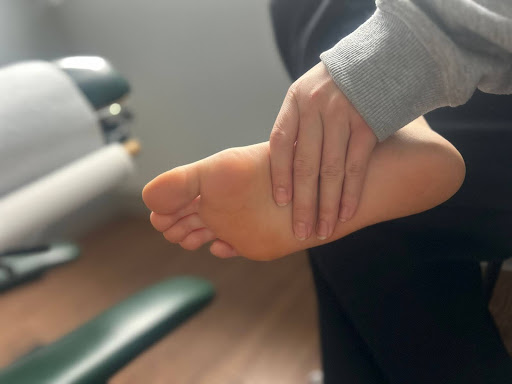

Arch Pain Relief – What Causes Arch Pain?
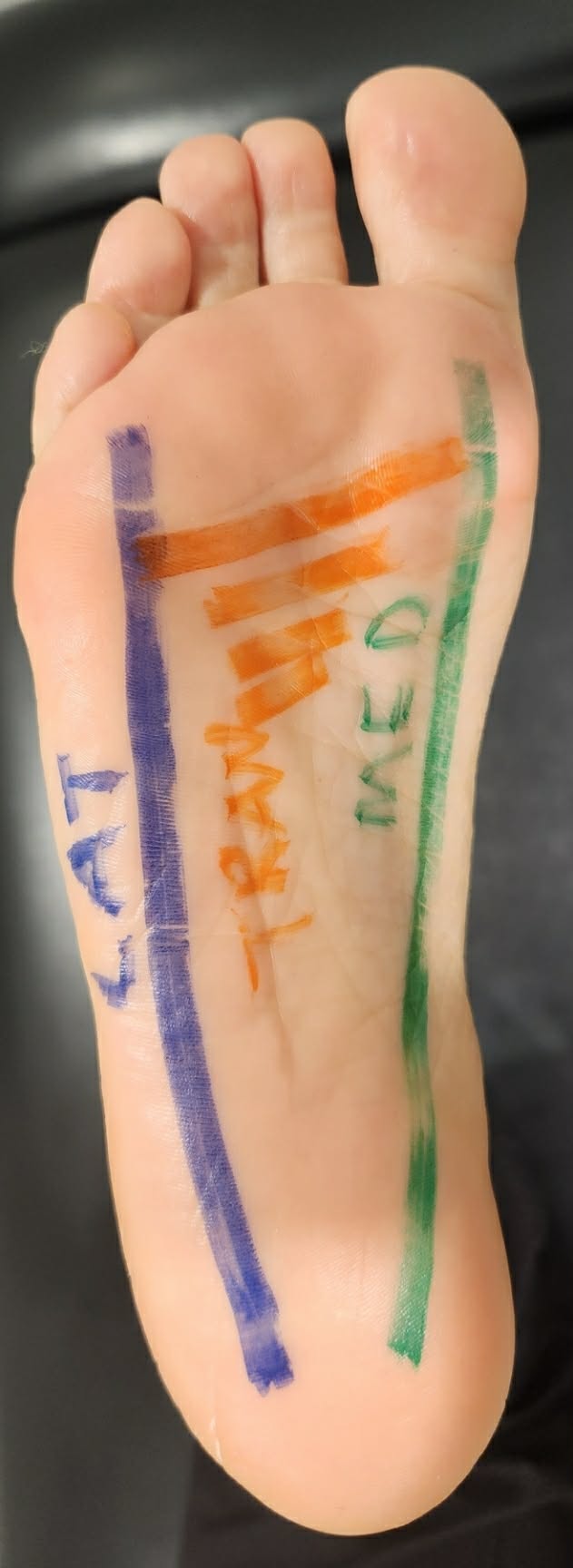
There are 3 arches in a foot; Medial, Lateral and Transverse. Most patients who come to our clinic with an acute case of severe arch pain have a transverse arch issue. However, a proper diagnosis has to be determined to provide the best treatment for any type of arch pain. Our arch pain therapists will do a thorough history and arch exam to determine the root cause of the pain.
- Lateral Longitudinal Arch Pain – Pain is on the outside area of the bottom of the foot. Could be caused from a Base of the 5th Toe Injury, over supinating, tight shoes or a contusion from a hockey puck or a sprained ankle.
- Medial Longitudinal Arch Pain – Pain on the inside of the arch and foot. Mostly caused by over-pronation, bad shoes or increased physical activity.
- Transverse Arch Pain – Most common arch pain seen at our Oakville clinic. Can be caused by all the above. The most common cause is poor shoe choices or a change in physical activity regimen.
Top Rated Arch Pain Relief Oakville
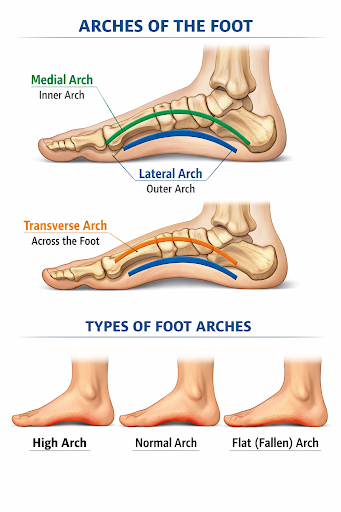
What type of arch pain are you suffering from?
How do you know what is causing your arch pain? The most important component to any treatment plan for arch pain at our Oakville clinic is making sure you have a proper diagnosis. Our health care team needs to determine if you have a Medial, Longitudinal or Transverse arch injury/pain. They also need to rule out other possibilities such as Morton’s Neuroma, a Base of the 5th toe injury, Sinus Tarsi Syndrome and Plantar Fasciitis. We treat many types of arch pain at our Oakville clinic.
Types of arch pain treatment:
- Medial Arch Strain – Pain on the instep.
- Lateral Arch Strain – Pain on the outside middle of the bottom of your foot with possible side pain.
- Transverse Arch Strain – Pain in the bottom middle of your arches between your heel and your toes. Usually can pinpoint an area the size of a nickel.
- Morton’s Neuroma – Very specific pain towards your toes. Usually one specific spot. Like a lighting bolt.
- Base of 5th Toe Injury – Pain below the pinky toe, could be worse on the bottom or the side of the baby toe.
- Plantar Fasciitis – Pain in the heel with the first steps in the morning.
If your arch pain symptoms are related to a workplace injury, learn how to start a WSIB claim and access approved treatment in Oakville.
What Our Patients Are saying
-
I had a great experience with Dr. Steve and his team! Dr. Steve is very knowledgeable, and the whole team is welcoming and professional. After my visits, my elbow pain is now mostly relieved. Highly recommend their care!

 Li Li
Li Li
November 7, 2024Dr Steve and team deserve 50 stars - what an amazing experience! From the moment my son arrived and we met the friendly and organized front office to the bold and welcoming intros with Dr Steve, followed by his assessment of the TOS condition, we were confident we were in... read more
Sonia Scrocco
February 13, 2025The staff and the doctors at this place are amazing. My husband and I both have had really good experience with 2 different doctors here. After years of suffering and going to different practitioners finally Dr. Jenn worked magic on my lower back pain and neck. I've... read more
amal farooq
October 7, 2024 -
Dr. Steve and his assistant Laura did a great job of healing my jaw pain. Laura was always so professional and her Shockwave treatment really helped ease the pain.
Suzanne Di Stefano [Staff]
June 7, 2024Where does one even begin?? I can’t say enough good things about Dr. Steve and his amazing team! I went in with unbearable SI joint pain—pain so intense that it was affecting my daily life. From the moment I walked into their office, I felt welcomed, cared for, and... read more
Krystal Milwain
March 5, 2025Steve and his team are absolutely amazing. Very efficient. Absolutely knowledgeable and corrected my issue Very quickly. Steve and team are so friendly and such positive high energy in the office. Love seeing everyone 💕
Linda Paul
December 7, 2024 -
Dr. Jenn and staff were amazing! Feeling a lot better these days.
Cody Craig
July 7, 2024I was initially reluctant to try another chiropractor after a series of bad experiences that left me in more pain. However, my husband visited Dr. Steve at Nottinghill Family Wellness Centre following a scary knee injury and had nothing but amazing things to say about his care. He booked me... read more
Ingy ES
September 7, 2024Dr. Steve is professional and friendly. He explained the cause of knee pain and answered all my concerns about the injury. His assistant and all staff at the clinic are really nice and patient. As a tourist, it is very frustrating to have an injury during the trip. However, they... read more
Bo Zhang
August 7, 2024


![Suzanne Di Stefano [Staff] Avatar](https://lh3.googleusercontent.com/a-/ALV-UjVVBaTrZmdNMyTEvH2oSjRTe9OJv9g3RWcD3b6nbFw36AAxGNuG=s120-c-rp-mo-br100)


4 Steps To Treating Arch Pain In Oakville
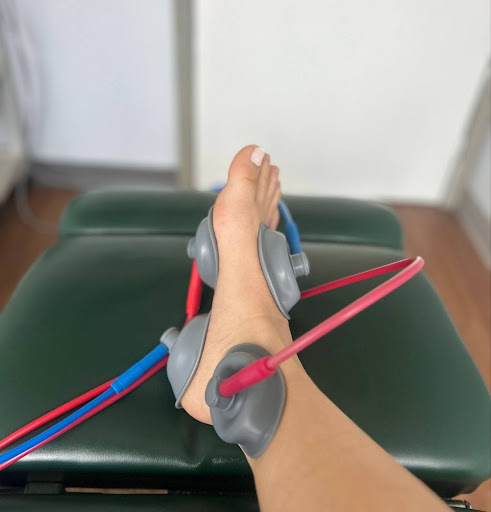
1. IFC Treatment For Arch Pain
At Nottinghill Family Wellness Centre in Oakville, our arch pain treatment often begins with a combination of therapeutic heat and Interferential Current (IFC) therapy. This approach helps reduce pain, improve circulation, and calm irritated tissues in the arches. Think of it as a super deep, foot massage with some heat! Arch pain treatment starts with bloodflow!
IFC therapy delivers gentle electrical stimulation through suction-based applicators placed along the arch, helping to decrease pain signals and promote healthy blood flow. Heat therapy is used alongside IFC to relax tight muscles and soft tissues, reducing stiffness and preparing the area for further treatment. Other clinics use sticky pads for arch pain treatment, however Dr. Steve finds far greater results with IFC and the suction modalities.
Both our physiotherapists and chiropractors use this initial phase to improve tissue responsiveness, allowing follow-up treatments — such as shockwave therapy, manual therapy, and corrective exercises — to be more effective for arch pain. This comprehensive approach not only relieves arch pain, but also helps address the underlying causes to prevent recurrence.
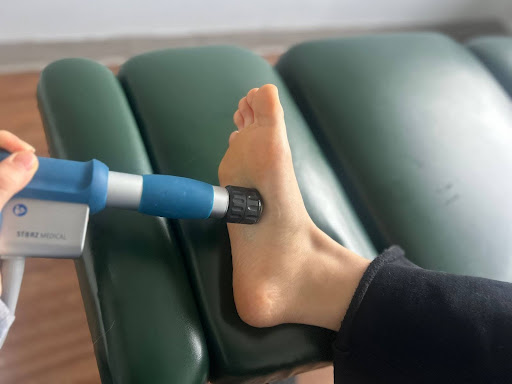
2. Shockwave Therapy for Arch Pain
Shockwave therapy is a highly effective, evidence-based treatment for chronic arch pain related conditions. This advanced modality uses an air-powered device to deliver high-energy acoustic waves into irritated tissues within the arch, stimulating healing at a cellular level.
During treatment, controlled pressure waves are applied through a specialized applicator at carefully selected intensities. Each session delivers thousands of targeted pulses to painful and restricted areas of the arch. Research shows shockwave therapy helps reduce pain, increase blood flow, and promote tissue regeneration by activating the body’s natural healing response. Most patients report a decrease in arch pain after only one visit!
Many patients notice improvement after just one session, with continued benefits over subsequent treatments. Treatment intensity is adjusted to each patient’s comfort level to ensure a personalized experience.
At Nottinghill Family Wellness Centre, our chiropractors and physiotherapists use precise techniques to address both superficial and deeper tissues of the arch, helping restore function, reduce pain, and support long-term recovery of the arches!
3. Instrument-Assisted Soft Tissue Therapy for Arch Pain
Instrument-Assisted Soft Tissue Therapy (IASTT) is commonly used by Dr. Steve, Dr. Jenn, and Vinaya to address soft tissue restrictions that contribute to arch pain. This includes scar tissue, adhesions, and chronic muscle tightness within the arch, working to reduce tension in the plantar structures and restore healthy movement patterns. Often referred to as “scraping” in the clinic, this technique uses a specialized metal instrument to mobilize restricted tissues and improve overall tissue mobility.
Although some patients may experience mild to moderate discomfort during treatment, intensity is always carefully adjusted to each individual’s tolerance to ensure safe and effective care.
By improving tissue quality and reducing mechanical stress on the arch, this technique supports pain relief, improved mobility, and better outcomes when combined with other treatments such as shockwave therapy, manual therapy, and corrective exercises.
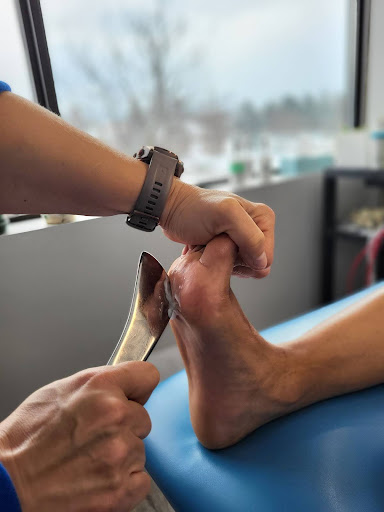
4. Muscle Release & Trigger Point Therapy
Active Release Technique (ART) is frequently used by Dr. Steve to treat arch pain caused by tight muscles, adhesions, and soft tissue restrictions within the arch. During an ART session, precise manual pressure is applied to the affected tissues while the toes and arches are gently moved. This helps break down adhesions, restore mobility, and reduce stress through the arch.
Because ART targets deeper tissues, some discomfort can occur; however, pressure is always carefully adjusted to stay within each patient’s tolerance, ensuring a safe and effective treatment experience.
When superficial muscle knots or areas of localized tension are identified, trigger point therapy may also be incorporated to further relieve tightness and improve overall arch function. To support healing and reduce inflammation, our Oakville team often recommends post-treatment icing and appropriate footwear, both of which play an important role in recovery and long-term arch pain relief.


At-Home Arch Pain Exercises: What Actually Helps (and What Doesn’t)
At-home exercises for arch pain can be helpful when used appropriately and paired with the correct diagnosis. Many cases of arch pain respond well to simple mobility and load-management strategies, while others require more specific treatment approaches. That’s why understanding what type of arch pain you have is critical before starting any home program.
Simple At-Home Exercises for Arch Pain Relief
For many common arch pain conditions, especially early or mild cases, basic at-home exercises can help reduce pain and stiffness while improving tissue mobility.
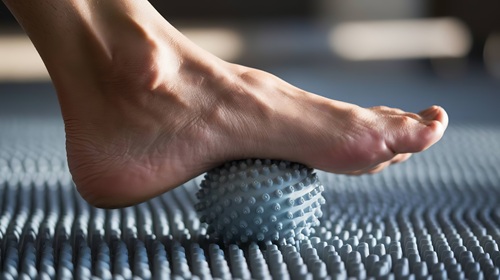
One of the most commonly recommended techniques is rolling the arches using a golf ball or frozen water bottle. This helps:
- Improve circulation to the plantar tissues
- Reduce muscle tightness
- Temporarily decrease pain and sensitivity
A frozen water bottle adds the benefit of cold therapy, which may help calm inflammation after prolonged standing or activity.
Custom Orthotics For Arch Pain
Footwear Matters — Even at Home
One of the most overlooked contributors to ongoing arch pain is walking barefoot or in unsupportive footwear indoors. Proper arch support reduces strain on the plantar fascia and intrinsic arch muscles, especially during prolonged standing or walking around the house.
Custom Orthotics
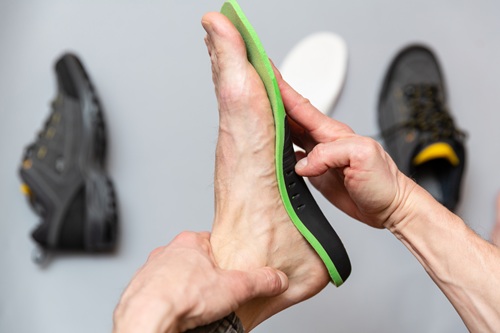
Once the arch pain patient starts to find improvement in their pain our chiropractor will perform a gain scat for custom orthotics. Dr. Steve does not like to start with custom orthotics at his Oakville clinic as in most cases the patients arch change in pain and biomechanics with treatment.
For at home use Dr. Steve recommends cork Birkenstocks or a supportive pair of “in house shoes”. These are far superior than slippers or barefoot.
Dr. Steve often recommends supportive lifestyle shoes for home and for daily use. One of his current favorites is the New Balance 2002R, which offers:
- Excellent mid-foot support
- Stable heel structure
Comfortable cushioning for long periods of standing
If you have spoken with Dr. Steve at the clinic about shoes, you know he will go the extra mile to make sure you get the shoe you need at the best price. His 2026 favorites are now the New Balance 2002R. They can be found at the new balance store in Oakville or online for about $190. But, if you take the trip and join the crowds at Toronto Premium Outlets they can usually be had for about $110.
Stretching for Arch Pain
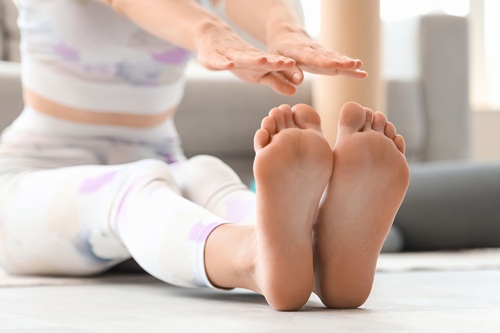
Depending on the diagnosis, targeted stretching may also be recommended. Common areas that affect arch pain include:
- The plantar fascia
- Toe flexors and extensors
- Calf muscles (gastrocnemius and soleus)
Tight calves and limited ankle mobility can significantly increase stress through the arch, making calf stretching an important part of many at-home programs.
Why a proper diagnosis of the patients arch pain is most important:
Not all arch issues are the same. Medial arch pain, lateral arch pain, and transverse arch issues each require different exercise strategies. In some cases, the wrong exercises can actually delay healing or worsen symptoms of the arch.
At-home arch pain exercises should always be individualized based on an accurate diagnosis. What works well for plantar fasciitis may not be appropriate for tendon-related arch pain, nerve irritation, or stress-related arch injuries.
Before starting any at-home treatment plan, it’s important to have your arches properly assessed by a qualified healthcare professional to ensure your exercises are safe, effective, and evidence-based.
Arch Pain Treatment FAQS
- How do you determine what type of arch pain I have?
- What arch pain is the most common arch injury you see?
- Can arch pain be confused with plantar fasciitis?
- Do you rule out other conditions before starting treatment?
- Why do you use IFC therapy for arch pain?
- What makes shockwave therapy effective for arch pain?
- How many shockwave treatments are usually needed?
- Is Instrument-Assisted Soft Tissue Therapy painful?
- Why do you combine multiple treatments instead of just one?
- What role does ART play in arch pain treatment?
- Should I stop walking or exercising while being treated?
- Do shoes really matter for arch pain?
- Do you recommend icing after arch pain treatments?
- How long does it usually take to recover from arch pain?
- When should I book an appointment for arch pain?
At Nottinghill Family Wellness Centre, we start with a detailed history and hands-on foot examination. Our chiropractors and physiotherapists assess foot posture, gait, footwear, activity level, and pinpoint tenderness to determine whether your pain is coming from the medial, lateral, or transverse arch, or if another condition is involved.
Transverse arch pain is the most common arch issue we treat in our Oakville clinic because it is often linked to poor footwear choices, increased activity, and repetitive loading of the forefoot. Many patients can localize the pain to a small area in the middle of the foot, often “nickel-sized.”
Yes. Arch pain and plantar fasciitis can feel similar, but they are not the same condition. Plantar fasciitis typically causes heel pain with the first steps in the morning, while arch pain is usually felt through the middle or sides of the foot. Proper diagnosis is critical to avoid treating the wrong condition.
Absolutely. Before beginning treatment, we rule out conditions such as Morton’s Neuroma, sinus tarsi syndrome, base of the 5th toe injuries, stress reactions, and plantar fasciitis. This ensures your treatment plan targets the true source of your pain.
We use Interferential Current (IFC) therapy early in care to help reduce pain, calm irritated tissues, and improve circulation within the arch. IFC prepares the foot for more advanced treatments like shockwave therapy and manual techniques.
Shockwave therapy stimulates healing by delivering high-energy acoustic waves into damaged or irritated tissues. At our clinic, it is commonly used for chronic arch pain and plantar fascia–related conditions, helping improve blood flow, reduce pain, and promote tissue regeneration.
Many patients notice improvement after one to two sessions, but most treatment plans involve 3–5 sessions, depending on severity, chronicity, and response to care. Treatment intensity is always customized.
IASTT (often called “scraping” in our clinic) can cause mild to moderate discomfort, especially in areas with significant adhesions or scar tissue. However, treatment intensity is always adjusted to stay within your tolerance and ensure safe, effective care.
Arch pain rarely has a single cause. Combining IFC, shockwave therapy, IASTT, and muscle release techniques allows us to address inflammation, tissue restriction, poor mobility, and faulty loading patterns — not just symptoms.
Active Release Technique (ART) is used to treat deeper soft tissue restrictions within the foot. By applying precise pressure while moving the foot and toes, ART helps break down adhesions and restore normal movement through the arch.
In most cases, complete rest is not required. We often modify activity instead of eliminating it. Your provider will give clear guidance on walking, exercise, and footwear during your recovery.
Yes — footwear is one of the most important factors in arch pain recovery. Poor shoe support is a leading cause of transverse and medial arch strain. Our team will assess your shoes and provide specific footwear recommendations based on your diagnosis.
Yes. Post-treatment icing is often recommended to reduce inflammation and soreness, especially after manual therapy, ART, or shockwave sessions.
Recovery time varies, but many patients notice meaningful improvement within 2–4 weeks when treatment is combined with proper footwear and activity modification. Chronic cases may require longer care plans.
If arch pain is sharp, worsening, limiting your walking, or not improving after a few days, it’s time for an assessment. Early diagnosis leads to faster recovery and helps prevent long-term foot issues.