Content Reviewed By: Dr. Steve Knighton, B.Sc., D.C. on October 12, 2026
Chiropractic License Number: 5580
Arthritis Treatment in Oakville
Arthritis can make simple things surprisingly annoying — getting out of a chair, walking downstairs, opening a jar, getting out of the car or taking those first few stiff steps after sitting for an hour.
At Nottinghill Family Wellness Centre, our arthritis care focuses primarily on osteoarthritis (OA) and the pain, stiffness, weakness and loss of movement that can come with it.
Treatment starts by figuring out which joint is involved, how much the symptoms are actually affecting you and what you are having trouble doing. A treatment plan may include therapeutic exercise, strengthening, activity modification, physiotherapy and appropriate hands-on care.
It is also important to know that osteoarthritis and rheumatoid arthritis are not the same disease. Rheumatoid arthritis is an autoimmune inflammatory condition that requires medical and often rheumatology management. Physiotherapy and other musculoskeletal care can still have an important supportive role in maintaining strength, movement and function.
Our goal isn’t to promise that we can make arthritis disappear. It is to help you move better, stay stronger and keep doing as much as possible with the joints you have.

Osteoarthritis vs Rheumatoid Arthritis
There are more than 100 types of arthritis, but two of the most commonly recognized are osteoarthritis (OA) and rheumatoid arthritis (RA).
They are very different conditions.
Osteoarthritis
Osteoarthritis is a joint condition involving changes to cartilage, bone and other tissues within and around the joint.
Symptoms often include:
- Pain related to activity
- Stiffness after sitting or resting
- Reduced movement
- Difficulty with stairs, walking or everyday activities
- Joint tenderness or occasional swelling
- Grinding, clicking or cracking that may or may not be painful
Exercise, strengthening, physical activity and education are central parts of osteoarthritis management.
Rheumatoid Arthritis
Rheumatoid arthritis is an autoimmune inflammatory disease. The immune system mistakenly attacks tissues within the joints, producing inflammation, pain, swelling and stiffness.
RA can affect multiple joints and can also affect other parts of the body.
The underlying disease requires medical management, usually involving a family doctor and rheumatologist. Physiotherapy can play an important supportive role in maintaining strength, flexibility, fitness and function.
We do not present chiropractic treatment, shockwave therapy or physiotherapy as treatments for the underlying autoimmune disease itself.

What Our Patients Are saying
-
Great experience with carpal tunnel treatment with Dr. Steve! I was diagnosed with bilateral carpal tunnel 4 years ago by my neurologist, and recommended to wear wrist splints nightly. As the pain worsened I was given the options for steroid injections or surgery on my wrists. Opting out of both,... read more

 Gursharn Bering
March 21, 2026Love Dr. Steve's sense of humour, enthusiasm and determination to make you feel better he always adds a positive part in our day when we come here thank you! We love the staff at the front desk and the helpers of Dr Steve they are so kind and hardworking. Thank... read more
gunes ozok
December 7, 2024Such amazing customer service and they made me feel good as new
yuveshin moodley
May 22, 2026 -
When I booked my first appointment with Dr. Steve, my SI was in so much pain, I couldn’t stand due to the pain and it was worse sitting down. I chose Dr. Steve just for proximity to work, and at the time desperate for some relief. Dr. Steve assured me... read more
Renee Phillips
February 6, 2025I had a great experience with Dr. Steve and his team! Dr. Steve is very knowledgeable, and the whole team is welcoming and professional. After my visits, my elbow pain is now mostly relieved. Highly recommend their care!
Li Li
November 7, 2024Wow! Wow! Wow! Some serious back pain from recent snow event. Sent emergency pleading text yesterday and was squeezed in for an appt BEFORE the clinic even opened. Can’t express my sincere gratitude enough. Over and above 5star service from Dr Steve and the amazing Laura. This wasn’t the... read more
Anna Molar
February 20, 2025 -
Steve and his team are incredible. Highly recommend them!!!
Gloria Tilson
June 11, 2026I found the clinic while looking for shockwave therapy to help with relapse in elbow pain. I was really short on time to get ready for a sporting event, and Dr. Steve and the team at Nottinghill made sure my treatment was a priority. They were able to address the... read more
Fauwad Khan
June 30, 2026The staff and the doctors at this place are amazing. My husband and I both have had really good experience with 2 different doctors here. After years of suffering and going to different practitioners finally Dr. Jenn worked magic on my lower back pain and neck. I've... read more
amal farooq
October 7, 2024


Arthritis Treatment In Oakville
The right treatment depends on which type of arthritis you have, which joint is affected and what is actually limiting you.
For most patients we see with osteoarthritis, the priorities are maintaining movement, improving strength around the joint, staying physically active and managing activities that repeatedly aggravate the problem.

What Is Osteoarthritis?
Osteoarthritis, commonly shortened to OA, is the most common form of arthritis.
It involves changes within the entire joint — including cartilage, underlying bone and surrounding tissues — rather than simply being a joint that has “worn out.”
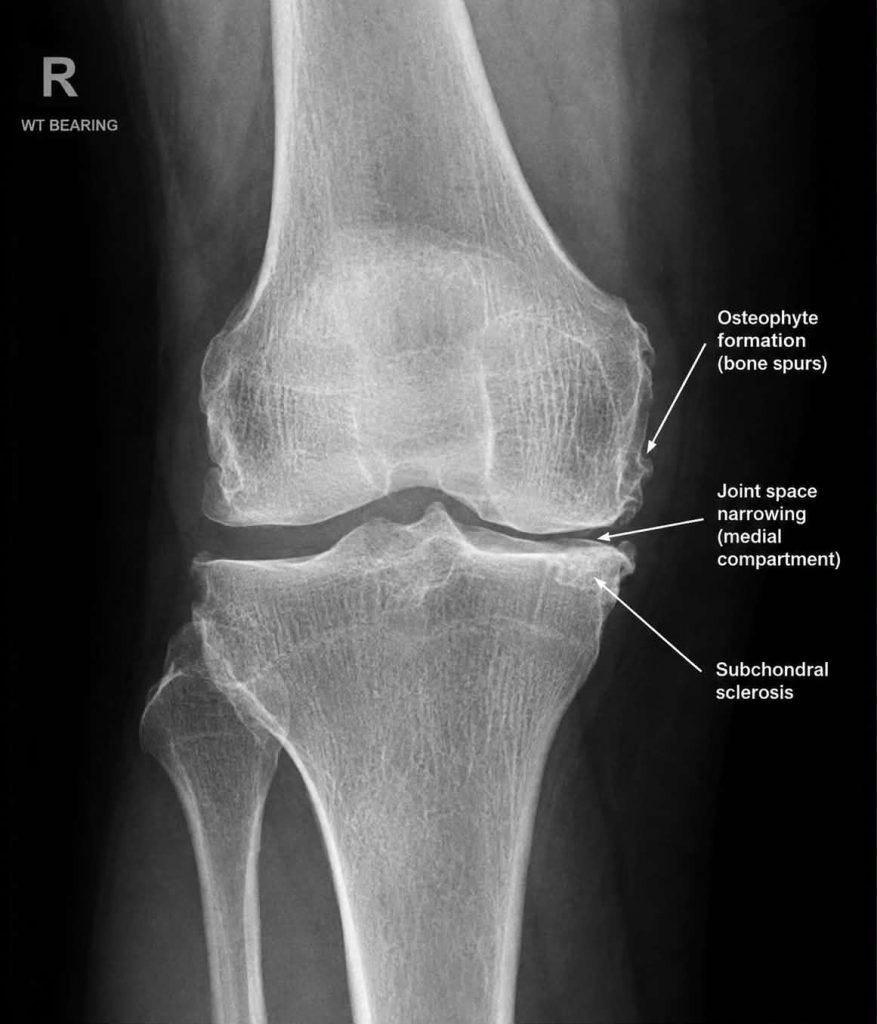
You may have heard osteoarthritis described as “wear and tear” or been told that an X-ray shows that you are “bone on bone.” Those descriptions can sound frightening, but the amount of arthritis visible on an X-ray does not always match how much pain someone experiences.
Some people have significant changes on imaging and relatively little pain. Others can have substantial joint pain with much less dramatic imaging.
For that reason, treatment decisions should be based on your symptoms, movement and function, not simply how ugly an X-ray looks.
Osteoarthritis commonly affects the knees, hips, hands, feet and spine.
What Are the Symptoms of Osteoarthritis?
Osteoarthritis does not feel exactly the same for everyone.
Common symptoms include:
- Joint pain during or after activity
- Stiffness after sitting or resting
- Morning stiffness that usually loosens relatively quickly
- Reduced joint movement
- Tenderness around the joint
- Difficulty with stairs, walking, squatting or getting up from a chair
- Loss of strength around the affected joint
- Occasional swelling
- Grinding, clicking or cracking
One of the classic complaints we hear is:
“Once I get moving I’m not too bad, but getting moving is the problem.”
Your knee may feel rusty when you first stand up. Your hip may take a few minutes to loosen after getting out of the car. Stairs that used to be nothing may suddenly become the thing you avoid.
The important point is that movement is usually part of the solution, not something that automatically causes more damage.

What Causes Osteoarthritis?

Osteoarthritis is not caused by one single thing and it is more complicated than simply “getting old.”
Factors that can increase the likelihood of developing OA include:
- Increasing age
- Previous joint injury or trauma
- Genetics and family history
- Repeated heavy loading of a joint over many years
- Joint shape and biomechanics
- Muscle weakness
- Higher body weight, particularly for weight-bearing joints
- Previous surgery or significant joint damage
It is also very common for one knee or one hip to be much worse than the other.
An old knee, ankle or hip injury can change how someone moves for years. That does not mean every case of arthritis is caused by “compensation,” but previous injuries and altered loading can be relevant when we assess why one joint is giving someone more trouble than another.
Do I Need an X-Ray to Diagnose Osteoarthritis?
Not always.
In adults over 45 with typical activity-related joint pain and little or no prolonged morning stiffness, osteoarthritis can often be diagnosed clinically without an X-ray or MRI.
Imaging becomes more useful when symptoms are unusual, another diagnosis is being considered, there has been significant trauma or the result is likely to change management.
Another important point is that X-rays and pain do not always match.
A person can have obvious osteoarthritis on an X-ray and function quite well, while someone with relatively mild imaging changes can still have substantial pain.
Treatment should therefore be based on the patient — not just the picture.
What Actually Helps Osteoarthritis?
There is no single machine, adjustment, injection or exercise that is the “best treatment” for every person with osteoarthritis.
The strongest foundation of conservative OA management is usually:
1. Exercise and Strengthening
Muscles help support and control the joints around them.
Depending on the joint involved, treatment may include strengthening, mobility work, balance exercises and gradually increasing activities such as walking, cycling or other exercise.
2. Staying Active
It is understandable to move less when a joint hurts.
Unfortunately, prolonged inactivity can lead to more stiffness, loss of strength and less tolerance for everyday activity.
The goal is not to push through severe pain. It is to find an amount of movement your joint can tolerate and gradually build from there.
3. Education and Activity Modification
Sometimes a few practical changes make a big difference.
That might mean temporarily shortening your walks, changing your gym program, altering how often you use stairs or finding a different way to perform an activity that repeatedly irritates the joint.
The goal is usually modification rather than complete avoidance.
4. Weight Management When Relevant
For people with hip or knee osteoarthritis who are carrying excess body weight, weight reduction can reduce the load placed on painful joints and may improve pain and function.
This is not relevant to every patient and is only one part of a broader arthritis management plan.
5. Manual Therapy When Appropriate
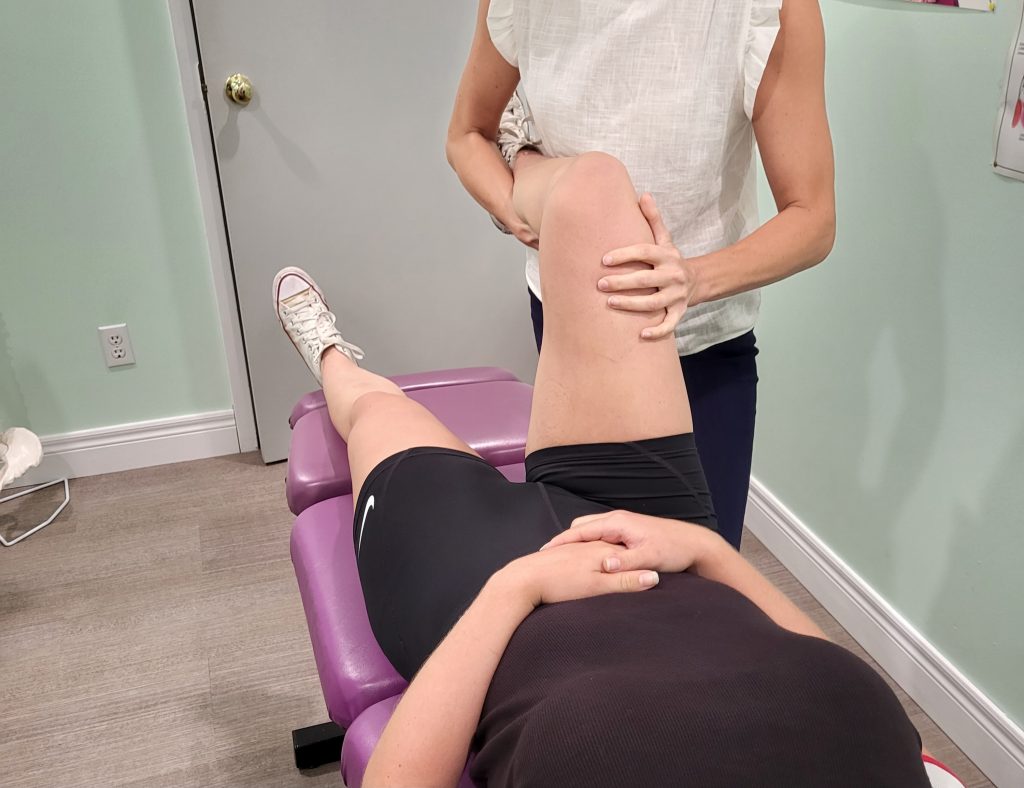
Joint mobilization and soft tissue treatment may be used as an adjunct for selected patients, particularly when pain or stiffness is making exercise difficult.
Hands-on treatment should support movement and exercise, not replace them.

How We Manage Osteoarthritis at Our Oakville Clinic
Treatment is individualized according to the joint involved, the patient’s symptoms and what they are trying to get back to doing.

1. Therapeutic Exercise and Strengthening
Exercise is one of the most important parts of osteoarthritis management.
Your program may include exercises to improve:
- Strength
- Joint mobility
- Balance
- Walking tolerance
- Control of the affected joint
- Ability to perform everyday activities
Exercises are progressed according to your ability rather than giving every patient the same sheet of stretches.
2. Physiotherapy for Osteoarthritis
Physiotherapy can help patients with osteoarthritis improve strength, movement, balance, walking tolerance and confidence with everyday activity.
Our physiotherapy team can build a progressive rehabilitation program around the specific joint involved, the patient’s current level of function and the activities that matter most to them. Treatment may include strengthening, mobility exercises, balance work, gait or movement retraining and gradual progression back to walking, stairs, exercise or other daily activities.
The goal is not simply to make an arthritic joint feel better for a short period of time. It is to help the patient become stronger, move more comfortably and stay as active and independent as possible over the long term.

3. Chiropractic and Manual Therapy for Osteoarthritis
4. Your Home Program For Arthritis
You should leave treatment knowing what you can do between appointments and how to keep making progress on your own.
That may include strengthening exercises, mobility work, walking or cycling goals, balance exercises and practical changes to activities that repeatedly aggravate the joint. For someone with knee arthritis, that might mean gradually increasing walking tolerance or strengthening the muscles around the knee. For hip arthritis, it may involve improving hip strength and mobility so activities such as stairs, getting out of a chair or getting in and out of the car become easier.
Your home program should not stay exactly the same forever. As your strength, movement and confidence improve, the exercises and activity goals can be progressed so the program continues to challenge the joint appropriately without simply irritating it.
Patients working with our physiotherapy team may have their home rehabilitation program adjusted as they improve, while those receiving chiropractic care may use exercise alongside appropriate hands-on treatment for associated stiffness or musculoskeletal pain.
If arthritis is affecting a specific area, treatment and rehabilitation can also be tailored to the joint involved. Learn more about our knee pain treatment, hip pain treatment and low back pain treatment approaches.
There is no automatic lifetime arthritis treatment schedule. Progress should be reassessed regularly, and the treatment plan should change according to how you are actually doing, which activities are still difficult and how much independence you are gaining between visits.

Where Does Osteoarthritis Commonly Cause Pain?
Arthritis can affect many joints, but some areas are particularly common.
Knee Arthritis
Knee osteoarthritis can make stairs, squatting, prolonged walking and getting out of a chair difficult.
Learn More About Knee Pain Treatment
Hip Arthritis
Hip OA can cause groin, thigh or buttock pain and may make walking, tying your shoes or getting in and out of a car more difficult.
Learn More About Hip Pain Treatment
Arthritis in the Low Back and Spine
Degenerative changes in the spine become increasingly common with age and do not automatically mean something is seriously wrong.
When spinal arthritis contributes to pain or nerve symptoms, treatment depends on the specific clinical problem.
Thumb and Hand Arthritis
Arthritis at the base of the thumb can make gripping, opening jars, turning keys or pinching objects painful.
Foot and Ankle Arthritis
Joint degeneration in the foot or ankle can affect walking, footwear tolerance and balance.
What Is Rheumatoid Arthritis?
Rheumatoid arthritis, or RA, is an autoimmune inflammatory disease.
Instead of being primarily a degenerative joint condition like osteoarthritis, RA occurs when the immune system mistakenly attacks tissues lining the joints.
Common signs can include:
- Persistent joint swelling
- Warm or tender joints
- Morning stiffness lasting longer than is typical for osteoarthritis
- Multiple joints being affected
- Pain and swelling in the small joints of the hands or feet
- Fatigue or feeling generally unwell
- Progressive loss of joint function
RA can also affect other parts of the body, which is why it should not be treated simply as another sore joint.
If rheumatoid arthritis is suspected, medical assessment and referral to a rheumatologist are important.

How Do Physiotherapy and Chiropractic Fit With Rheumatoid Arthritis?

The underlying autoimmune disease in rheumatoid arthritis requires medical treatment and rheumatology management. Disease-modifying medications are often used to control inflammation and reduce the risk of progressive joint damage.
Physiotherapy can complement medical treatment by helping patients:
- Maintain joint movement
- Improve strength
- Maintain general fitness
- Adapt exercise during flares
- Manage functional limitations
- Remain as active and independent as possible
Chiropractic or other hands-on musculoskeletal treatment may sometimes be appropriate for secondary mechanical or muscular problems, but treatment needs to take the patient’s disease activity, medications, joint health and overall medical status into account.
We do not use shockwave therapy, chiropractic adjustments or physiotherapy as substitutes for rheumatology care or disease-modifying medication.
If we believe a patient’s symptoms suggest previously undiagnosed inflammatory arthritis, medical assessment is recommended rather than simply beginning a routine arthritis treatment program.
Does Shockwave Therapy Treat Arthritis?

Shockwave therapy is not a core treatment for osteoarthritis and it does not treat the underlying autoimmune disease in rheumatoid arthritis.
So why might someone with arthritis still receive shockwave at our clinic?
People with arthritis can also develop separate tendon and soft-tissue problems around the same joint.
For example, someone with knee osteoarthritis may also have a persistent tendon problem. A patient with hip arthritis may also have pain involving the gluteal tendons.
In those situations, radial shockwave therapy may be considered for the associated tendon or soft-tissue condition, rather than claiming that shockwave is reversing or curing the arthritis itself.
That distinction matters.
Our treatment is based on what structure appears to be causing the patient’s symptoms, not simply using shockwave because an X-ray happens to show arthritis.
Evidence-Informed Arthritis Care
Current osteoarthritis guidelines emphasize education, therapeutic exercise and physical activity as the foundation of conservative management.
Manual therapy may be considered for selected patients alongside exercise, but should not replace an active rehabilitation program.
For typical osteoarthritis symptoms, routine imaging is not always required. Treatment decisions should be guided by symptoms and physical function rather than X-ray findings alone.
Rheumatoid arthritis is different. It is an autoimmune inflammatory disease that requires medical and rheumatology management, while physiotherapy can support exercise, strength, flexibility and function.
Arthritis Society Canada — Osteoarthritis
Arthritis Society Canada — Physical Activity and Arthritis
Arthritis Treatment FAQs
Can osteoarthritis be cured or reversed?
There is currently no cure that completely reverses osteoarthritis.
That does not mean nothing can be done.
Exercise, strengthening, physical activity, weight management when appropriate and other treatments can reduce symptoms and improve how well the joint functions.
Does “bone on bone” mean I need joint replacement surgery?
Not automatically.
X-ray findings are only one part of the decision. The amount of pain, loss of function, response to conservative care and effect on your quality of life are also important.
Some people with substantial changes on X-ray remain very active without surgery.
Do I need an X-ray to know if I have osteoarthritis?
Not necessarily.
Typical osteoarthritis can often be diagnosed clinically based on age, symptoms and examination findings. Imaging may be recommended when symptoms are unusual, another diagnosis is suspected or the result is likely to change treatment.
Is exercise bad for an arthritic joint?
Usually no.
Exercise is one of the most consistently recommended treatments for osteoarthritis.
A new program can sometimes cause temporary discomfort when you first start. The goal is to select an appropriate amount of exercise and gradually progress it rather than stopping movement completely.
What exercise is best for osteoarthritis?
There is no single best exercise.
Depending on the joint involved, a program may include strengthening, range-of-motion exercises, walking, cycling, balance training or other activities that you enjoy and can perform consistently.
Can physiotherapy help osteoarthritis?
Yes. Physiotherapy can help improve strength, joint mobility, balance, exercise tolerance and function.
Learn More About Physiotherapy
Can chiropractic care help someone with osteoarthritis?
For selected patients, appropriate manual therapy or chiropractic care may be used alongside exercise and rehabilitation to address associated joint stiffness or musculoskeletal pain.
Hands-on treatment should support an active management plan rather than replace strengthening and physical activity.
Does shockwave therapy treat osteoarthritis?
Shockwave is not a core osteoarthritis treatment.
It may sometimes be used when a patient with arthritis also has a separate persistent tendon or soft-tissue condition for which shockwave is appropriate.
Learn More About Shockwave Therapy
What is the difference between osteoarthritis and rheumatoid arthritis?
Osteoarthritis is primarily a joint condition involving changes in cartilage, bone and surrounding tissues.
Rheumatoid arthritis is an autoimmune inflammatory disease in which the immune system attacks joint tissues.
The treatment of the two conditions is therefore very different.
When should I talk to my doctor about possible rheumatoid arthritis?
Seek medical assessment if you have persistent joint swelling, warmth and stiffness — particularly when several joints or the small joints of the hands and feet are affected.
Prolonged morning stiffness, fatigue and unexplained systemic symptoms can also point toward inflammatory arthritis rather than typical osteoarthritis.
Can physiotherapy help someone with rheumatoid arthritis?
Yes, as part of multidisciplinary care.
Physiotherapy can help maintain fitness, joint movement, muscle strength and function, but it does not replace the medical treatment required to control the underlying autoimmune disease.
Does losing weight help knee or hip osteoarthritis?
For someone who is carrying excess body weight, weight reduction can reduce the load placed on the hips and knees and may improve pain and function.
It is one tool among many and is not relevant to every person with osteoarthritis.
Should I stop walking if my knee or hip has arthritis?
Usually not.
The better approach is often to adjust the distance, speed or frequency temporarily and then build your tolerance gradually.
Complete inactivity can contribute to weakness and more stiffness.
How many arthritis treatment visits will I need?
There is no predetermined number that is appropriate for every patient.
Recommendations depend on the joint involved, severity of symptoms, strength, function, goals and response to treatment.
Progress should be reassessed rather than automatically placing every patient on the same long-term treatment schedule.
Book an Arthritis Assessment in Oakville
If arthritis pain or stiffness is starting to interfere with walking, exercise, work, sleep or everyday activities, an assessment can help determine what is actually limiting the joint and what you can do about it.
Our Oakville chiropractic and physiotherapy team can assess osteoarthritis and other musculoskeletal causes of joint pain and develop an individualized treatment and exercise plan.
If your symptoms suggest inflammatory arthritis such as rheumatoid arthritis, we will recommend appropriate medical investigation rather than treating it as routine mechanical joint pain.
Content Reviewed By: Dr. Steve Knighton, B.Sc., D.C. on October 12, 2026
Chiropractic License Number: 5580