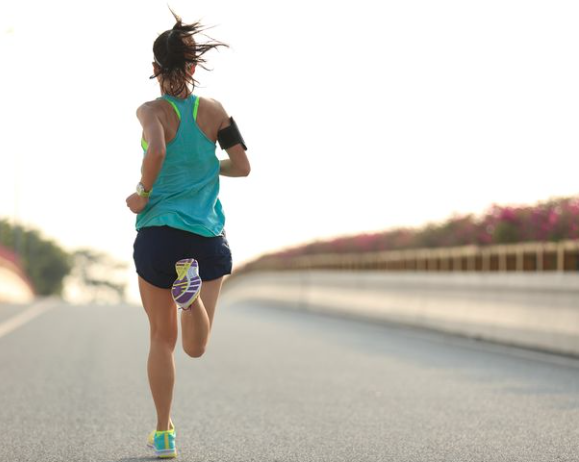
Since Covid our clinic in Oakville has been treating more runners with more aches and pains. From ITB issues to Shin Splints and Achilles Tendinopathies we have treated it all. More people have been hitting the trails and streets to run and get the blood pumping, and with that our Oakville chiropractors and physiotherapists have seen an influx in running injuries.
The list of running related injuries is long and complicated. If you are suffering from any of the below conditions, follow the link to the specific treatment pages. If you are suffering from Shin Splints, Achilles Tendinopathy or Patellofemoral Pain Syndrome continue reading below.
The Achilles in a big tendon that connects your calf muscles into your heel. When the calf muscles are put under too much stress, the tendon can become irritated. This irritation can cause pain and inflammation, and make the back of the heel during walking and/or running very painful. If you’re a new runner, have recently increased your distance, or started running hills, be on the lookout for this condition!
Our chiropractic treatment approach to Achilles tendinitis closely mirrors plantar fasciitis treatment, incorporating IFC, heat, shockwave therapy, instrument-assisted soft tissue work, shoe recommendations, and ice. Watch the video below for additional treatment insights.
4 Steps to Achilles Tendinitis Treatment:
Our approach to Achilles tendinitis closely mirrors plantar fasciitis treatment, incorporating IFC, heat, shockwave therapy, instrument-assisted soft tissue work, shoe recommendations, and ice. Watch the video below for additional treatment insights.
Interferential Current Therapy (IFC) & Heat – Applied to the calf to improve circulation, loosen tissue, and reduce pain.
Shockwave Therapy– A high-frequency, air-powered device targets the injured area, penetrating deep to accelerate healing—considered the gold standard for tendinitis treatment.
Instrument-Assisted Soft Tissue Therapy (“Scraping”) – A metal tool is used to break up adhesion’s and scar tissue in the Achilles and calf.
Active Release & Trigger Point Therapy – Our specialists use hands-on techniques to relieve knots and tightness in the calves and Achilles tendon.
2. Shin Splints:
Shin splints or “front shin pain” is usually a result from over training, poor footwear or bad biomechanics of the legs/foot or hips. The pain is located on the inside of the front part of the lower leg. Dr. Steve and our Oakville physiotherapy team recommends shin splint injury patients to seek treatment as soon as they notice symptoms as the injury could lead to an avulsion fracture pulling a piece of bone by the affected Tibialis Anterior muscle.
4 Steps to Shin Splint Treatment:
Interferential Current Therapy (IFC) & Heat – Applied to front of the lower leg and shin to improve circulation, loosen tissue, and reduce pain.
Shockwave Therapy– A high-frequency, air-powered device targets the injured area, penetrating deep to accelerate healing—considered the gold standard for treatment of shin splints.
Instrument-Assisted Soft Tissue Therapy (“Scraping”) – A metal tool is used to break up adhesion’s and scar tissue in the Tibialis Anterio/Posterior and Soleus.
Active Release & Trigger Point Therapy – Our specialists use hands-on techniques to relieve knots and tightness in the front of the lower leg inlcuding the Tibialis Anterior, Soleus and Flexor Digitorum Longus..
Severe shin splints can lead to Anterior Compartment Syndrome, which can be a life and death situation and unfortunately cannot be treated at our clinic. If this is the case and you present with anterior compartment syndrome, we send you to OTMH right away.
What is the Best Treatment for Shin Splints Oakville?
Treatment for shin splints at our Oakville clinic involves a combination of treatments. Most patients will receive 10 – 15 minutes of Suction IFC on the affected leg. After that, Shockwave Therapy will be performed on the area of pain. ART and Instrument Assisted Soft Tissue will also be performed on the injured area. If you have ever had Dr. Steve’s “scraping” you know this is relatively painful, buts Dr. Steve is conscience of his patients pain tolerance.
Dr. Jenn is amazing! She truly cares about her patients and is willing to try different things in order to see progress. I’ve been struggling with hip pain for years due to my scoliosis, no physio or chiro has ever been able to make a difference other than her, she... read more was willing to try different things until we found something that worked. Acupuncture was the trick for me. She’s also given me exercises to manage the issue on my own time as well. Thank you so much! The clinic is so friendly, and welcoming.
Alexia Davies June 7, 2024
Dr. Steve is professional and friendly. He explained the cause of knee pain and answered all my concerns about the injury. His assistant and all staff at the clinic are really nice and patient. As a tourist, it is very frustrating to have an injury during the trip. However, they... read more gave me a lot of help and my condition improved very quickly
Bo Zhang August 7, 2024
so good!!! the people are lovely and the service is so effective! felt results after session one!
lilly montelongo August 7, 2024
I have had the pleasure of working with Vinaya at Nottinghill Family Wellness Centre over the last five months, and I can’t recommend her highly enough! From the moment I walked in, the atmosphere was warm and welcoming. Vinaya took the time to listen to my concerns and thoroughly assessed... read more my condition. Her expertise and approach were impressive. Each session was tailored to my specific needs, incorporating a mix of manual therapy, targeted exercises, and education about my injury. I appreciated how she explained each technique and its purpose, which really helped me understand my recovery process. Not only did my pain significantly decrease, but I also gained strength and confidence in my movements. Vinaya was encouraging and motivating, making every appointment a positive experience. If you’re looking for a knowledgeable and caring physiotherapist, look no further than Vinaya! I’m so grateful for her help and support on my journey to recovery.
Jeff Barbosa October 7, 2024
Dr Steve and team have transformed my neck and upper back. They worked their magic to help release tension and my sleep is much better. Bonus - they love dogs so mine come to appts for social visits!
Vidya B September 7, 2024
Dr Steve is friendly, efficient and above all knowledgeable. He’s helped with my plantar fasciitis and is now moving on to my tennis elbow! I never need to wait. His staff are amazing!
Katherine Babb September 7, 2024
Dr. Stephen and his staff are amazing. I get my chiropractic treatments here.
Steve W. Brown December 7, 2024
Very helpful team. Physiotherapist Vinaya has now helping me on 2 different inquiries and RMT Jessica helps remove the aches, pains and stress
Mark Silva December 17, 2024
My husband and I have been attending the Nottinghill Family Wellness Centre for almost a year now, and we are so pleased. Dr. Jenn is consistently professional, caring and helpful to both of us for our physio well-being. She is a brightness to our day every time we visit. The... read more whole team is amazing and welcoming at every appointment. Communicating with them for any reminders, questions or rescheduling is easy. It’s a bonus that they are a dog friendly centre, and are extra adoring on our Bernedoodle, Dexter, who sometimes needs to tag along. Thank you to Dr. Jenn and the entire team for your continued care to our well-being. See you soon!
Elle S February 13, 2025
3. Patellofemoral Pain Syndrome
Patellofemoral Pain Syndrome, this condition accounts for the majority of knee pain in runners. It is caused by an imbalance in the knee that causes the patella to track through its groove improperly. This created an irritation of the cartilage behind the kneecap and can cause pain. There are a number of biomechanical factors that contribute to this condition including over pronation of the feet/ankles, weakness of the medial (inside) knee muscles and weak glutes. Think your knee pain is coming from over pronation, get in today and see if some custom foot orthotics will get you back pumping out the miles!
4 Steps to Patellofemoral Pain Syndrome Treatment:
Interferential Current Therapy (IFC) & Heat – Applied to front of the knee and quad to improve circulation, loosen tissue, and reduce pain.
Shockwave Therapy – A high-frequency, air-powered device targets the injured area, penetrating deep to accelerate healing—considered the gold standard for treatment of Patellofemoral Pain Syndrome. This can be a little annoying towards the front of the knee where it is mostly bone.
Instrument-Assisted Soft Tissue Therapy (“Scraping”) – A metal tool is used to break up adhesion’s and scar tissue in the front of the knee including the patella ligament and quads..
Active Release & Trigger Point Therapy – Our specialists use hands-on techniques to relieve knots and tightness in the front of the knee and quads. At times they will find trigger points in the hamstring and popliteus muscle.
The hamstrings help to move us forward when we run. If you’re new to running, or have recently started a more difficult running routine, your hamstrings may tighten or become strained as a result. The pain can be felt anywhere down the back of the upper leg, from right underneath the butt to the back of the knee.
Shockwave Therapy, Muscle release techniques, IFC, Instrument Assisted Soft Tissue Therapy, acupuncture and a home exercise programs can help make your return to running easier. The hamstrings aren’t the only muscles that can become strained from running; the quads and hip flexors are also common sources of running-related pain. If you are experiencing muscle pain, come visit the clinic today!
The best treatment of shin splints would involve a combination of IFC, stretching, shockwave, Graston and ice.
You get shin splints from overuse or excessive force on the skin from running. This can be more pronounced when you are not wearing proper footwear or do not prepare yourself properly for a run.
Shin splints can be mistaken for compartment syndrome which is overuse from weight bearing activities.
Yes and no, you should avoid any activity while your shin splints are acute and very painful. his allows them to get the rest they need to heal, but after about a week walking is good to help loosen the calf and maintain activity.
Everyone is different ion regards to healing, so every treatment and healing trajectory is difference. Although you will usually see a difference in your shin splints after about 2-4 weeks.
You can stretch your shin splints by stretching the muscle called the anterior tibialis, which is the muscle that runs along your shin. This can be seen by pointing your toes and turning your foot inward. Also, stretch your calves too.