Content Reviewed By: Vinaya Chitgopkar on October 16, 2026
Physiotherapy in Oakville
Get relief from back pain, neck pain, shoulder injuries, knee problems and sports injuries at Glen Abbey Physiotherapy.
Our registered physiotherapist, Vinaya Chitgopkar, brings over 26 years of experience providing hands-on treatment and personalized rehabilitation to help reduce pain, restore movement and get you back to the activities you enjoy.
Treatment combines manual therapy and rehabilitation exercises, with suction IFC and shockwave therapy included when appropriate at no additional charge.

Initial Physiotherapy Assessment: $130 —-Physiotherapy Follow-Up: $80
Direct insurance billing available
No physician referral required to book
New patients are welcome, same-day physiotherapy appointments may be available, and treatment is provided in private treatment rooms at our Glen Abbey physiotherapy clinic.
Conditions We Treat With Physiotherapy In Oakville
Vinaya and our Oakville physiotherapy clinic treats a wide range of muscle, joint and sports injuries, including:
- Back & Neck Pain: Lower back pain, stiffness, sciatica and neck-related headaches.
- Shoulder & Arm Injuries: Rotator cuff injuries, shoulder impingement, tennis elbow and tendon problems.
- Hip & Knee Pain: Knee injuries, arthritis, meniscus problems and hip pain.
- Foot & Ankle Injuries: Plantar fasciitis, Achilles tendon pain and ankle sprains.
- Sports Injuries: Our sports physiotherapy in Oakville helps with muscle strains, ligament injuries, running injuries and overuse problems.
- Post-Surgical Rehabilitation: Recovery following orthopedic surgery, including joint replacements, rotator cuff repairs and knee surgery.
Not sure what’s causing your pain? Vinaya will assess your symptoms and develop a personalized treatment plan to help reduce pain, restore movement and improve strength.
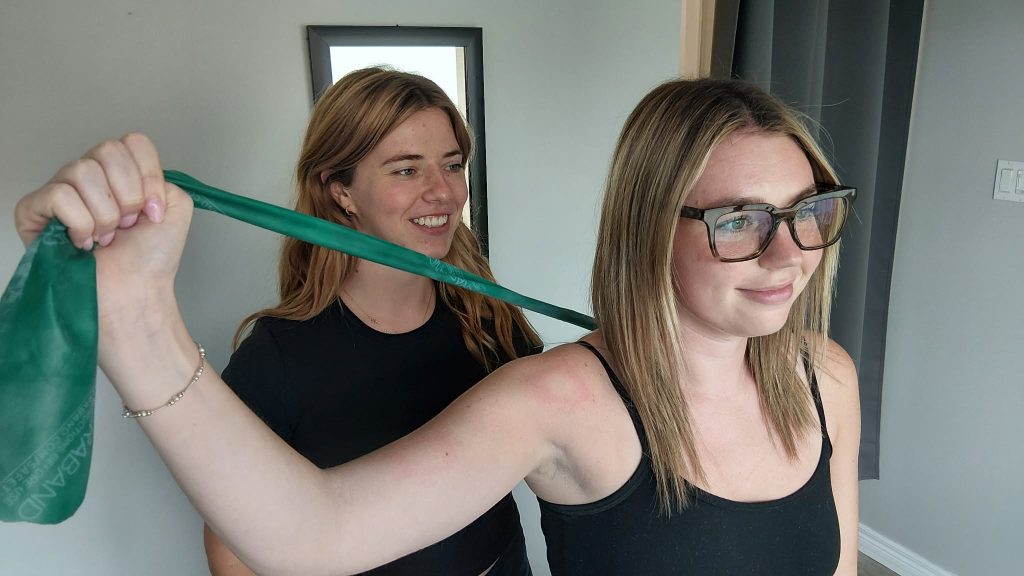
Why Oakville Patients Choose Our Physiotherapy Team
26+ Years of Physiotherapy Experience
Vinaya has treated musculoskeletal injuries in hospital, rehabilitation and private clinical settings for more than two decades. Her experience allows her to quickly identify what is limiting you and build a treatment plan around your individual goals.
Hands-On Treatment — Not Just an Exercise Sheet
Exercise matters, but patients coming to us in pain usually want relief as well. Treatment can combine hands-on manual therapy, soft-tissue treatment, mobility work and progressive rehabilitation based on what your assessment shows.
Suction IFC Included in Treatment
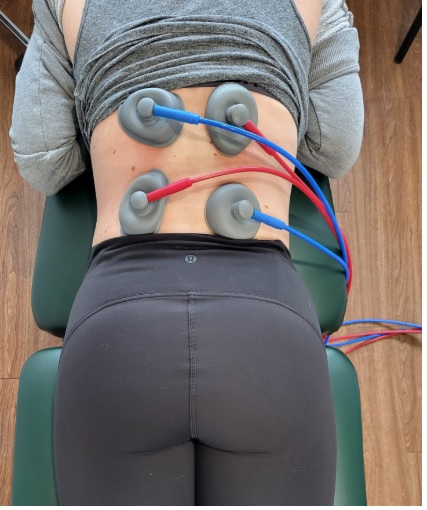
Our clinic uses comfortable suction-style IFC rather than adhesive pads. IFC is commonly incorporated to decrease pain and muscular sensitivity and help patients tolerate the hands-on and active portions of treatment more comfortably.
Shockwave Therapy Without a Separate Fee
When Shockwave Therapy is appropriate for a stubborn tendon or soft-tissue injury, it can be incorporated into your regular physiotherapy appointment. You are not booking or paying for a separate shockwave appointment.
A Plan Designed to Get You Independent Again
The goal is not to keep you coming forever. As pain settles and movement improves, treatment progresses toward strength, mobility and a realistic home program so you can return to normal activity with confidence.
Direct Billing and Straightforward Pricing
We offer direct insurance billing when permitted by your plan. The initial physiotherapy assessment is $130 and regular follow-up treatments are $80.
Playing through a knee, ankle, shoulder or running injury? Learn more about our sports physiotherapy in Oakville with Vinaya Chitgopkar and our physiotherapy team.
Call 905-827-4197 or text 289-228-8858 and our front desk will help you arrange your first appointment.

Oakville Physiotherapy for Pain Relief, Mobility, and Recovery!
Physiotherapy is a healthcare service that helps reduce pain, restore movement, and rebuild strength through assessment, hands-on treatment, and targeted exercise. It can help with concerns like lower back pain, neck pain and headaches, sciatica-type symptoms, shoulder and rotator cuff pain, knee pain, sports injuries, post-surgical rehab, and stubborn tendon pain.
Physiotherapy care is provided by Vinaya Chitgopkar, our registered physiotherapist with more than 26 years of experience.
What Is Physiotherapy?
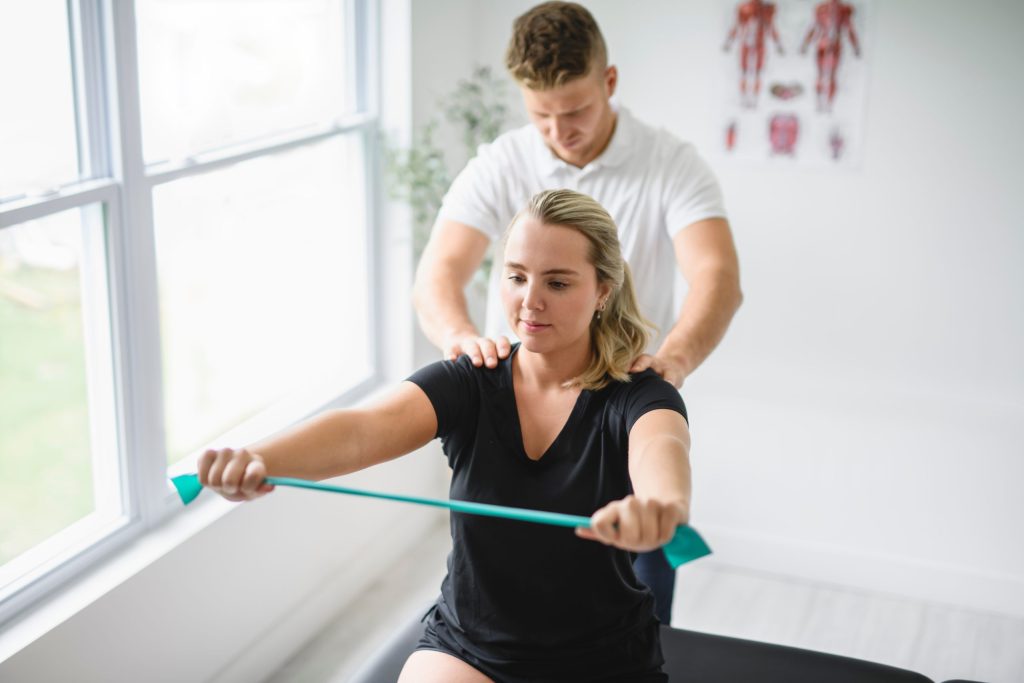
Physiotherapy (often called “physio” or “physical therapy”) focuses on helping your body move and function better—especially when pain, stiffness, weakness, or injury is getting in the way. A physiotherapist looks at the whole picture: your symptoms, your movement patterns, what aggravates things, what helps, and what you need to get back to (work, sport, sleep, daily life).
Most physiotherapy plans include a mix of:
- Education you can actually use (what’s likely happening and what to do next)
- Hands-on treatment when it’s helpful for pain, mobility, and tissue tolerance
- Therapeutic exercise to rebuild strength and resilience
- Targeted modalities to support comfort and recovery when appropriate
What Oakville Physiotherapy Treatment Can Help With
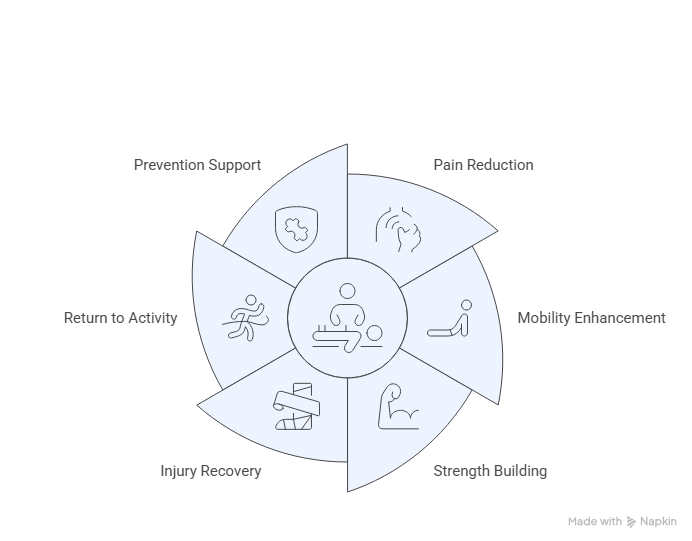
Physiotherapy is built around outcomes—what you want to do more comfortably and confidently. Common goals include:
- Pain reduction + flare management (calming irritation and improving tolerance to movement)
- Mobility + flexibility (reducing stiffness and restoring range of motion)
- Strength + capacity building (building resilience for daily life and training)
- Injury recovery / rehab (sprains, strains, tendon pain, and overuse injuries)
- Return to sport or work (graded progressions tied to your real demands)
- Prevention + performance support (better mechanics, better load management, fewer setbacks)
Who Is Physiotherapy For
You may be a great fit for physiotherapy if you:
- • Have lower back pain that limits sitting, standing, bending, or lifting
- • Feel nerve-like symptoms (shooting pain, tingling, numbness) into an arm or leg
- • Deal with neck pain, tension headaches, or limited neck mobility
- • Have shoulder pain with reaching, lifting, or sleeping on one side
- • Have hip or knee pain with stairs, running, squats, or longer walks
- • Have tendon pain (Achilles, plantar fascia, elbow tendons) that isn’t settling
- • Are rehabbing after surgery (knee/hip replacement, rotator cuff repair, ACL-related rehab)
- • Have a sports or running injury and want a clear return-to-activity plan
- • Sit for long hours and feel consistently “tight,” weak, or sore in predictable patterns
- • Want a plan that’s structured, measurable, and realistic—not random treatments
Looking specifically for a sports therapy appointment for a sports injury? Dr. Steve and Dr. Alex also provide sports chiropractic care at our Oakville clinic. That page explains their assessment, hands-on treatment and rehabilitation approach.

Oakville Physiotherapy Reviews
-
Dr Steve and his staff are amazing. Love his high energy and enthusiasm. Have seen several Dr’s for my shoulder injury and Dr Steve is the only one that has fully explained what’s going on that made sense. Only had a few treatments but already noticing an improvement. Front desk... read more

 Steve & Angela Pinder
October 7, 2024Dr. Steve’s office is a very organized and efficient clinic. Appointments run smoothly and on time. The team offers targeted care to patients without adding unnecessary treatments. I highly recommend this office if you are looking for a new provider.
Supreet D
June 11, 2026I had a great experience with Dr. Steve and his team! Dr. Steve is very knowledgeable, and the whole team is welcoming and professional. After my visits, my elbow pain is now mostly relieved. Highly recommend their care!
Li Li
November 7, 2024 -
Dr. Steve was amazing! He listened to my issues & addressed them according. He was friendly and empathetic.
Sabrina Hasan
August 7, 2024Dr. Jenn has worked her magic on my back over the past few years. I wish I could give her more than 5 stars.The Nottinghill team are always friendly and welcoming. I am so glad I found this amazing clinic.
Phil Bradley
August 12, 2026Both Dr. Steve and Dr. Jenn are excellent at resolving your problems with back, neck or any other body pain you may have. The staff are friendly and caring and treat you as a part of their family. I travel from Hamilton for the service and treatment... read more
Cameron R
July 24, 2026 -
Very helpful team. Physiotherapist Vinaya has now helping me on 2 different inquiries and RMT Jessica helps remove the aches, pains and stress
Mark Silva
December 17, 2024I can't say enough good things about this clinic! I called looking for physio for my arm, hoping to be squeezed in for a same day appointment. They had no physiotherapist available for same day, but instead of leaving it at that, they asked what the issue was and suggested... read more
Raquel Rich
April 29, 2026Great clinic. Pain free after few visits.
Mario M
February 6, 2025


How Our Oakville Physiotherapist Assesses Your Injury
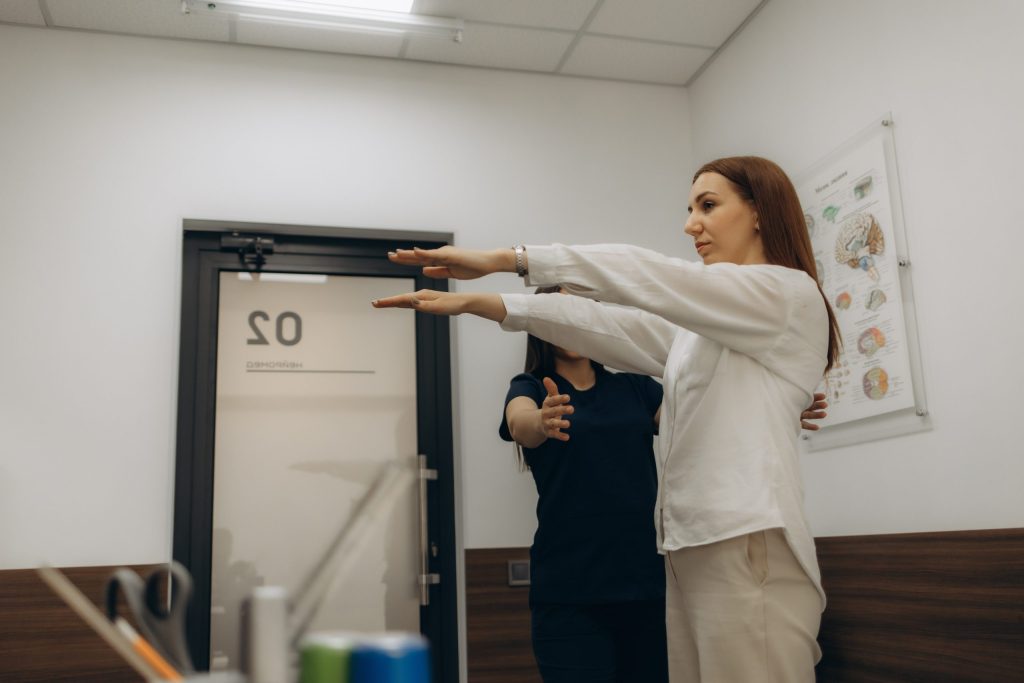
A strong outcome starts with a strong assessment. Your first step is understanding what’s contributing to your symptoms—and what’s limiting your function.
Your assessment typically includes:
- • History + goal setting: what changed, what’s aggravating it, what you need back in your life
- • Movement and functional testing: how you bend, lift, reach, walk, squat, rotate, or stabilize (based on your concern)
- • Relevant screening: orthopedic and neurological checks when symptoms suggest nerve involvement or more complex presentation
- • Baseline measures: range of motion, strength, functional tolerance, and simple measures to track progress over time
If anything suggests a medical concern or a presentation outside physiotherapy’s scope, we refer appropriately and help you navigate next steps.
What to Expect At Our Oakville Physiotherapy Clinic
We keep things straightforward so you know what’s happening and why.
What to wear / bring
Wear comfortable clothing you can move in. Bring any relevant imaging reports if you have them (not required), plus a short list of your top goals and biggest triggers.
Your first visit
- • We review your history and clarify your goals
- • We assess movement, strength, and function
- • We explain the “why” in plain language
- • We start care right away when appropriate (hands-on treatment and/or modalities)
- • You leave with a simple home plan to begin building momentum
Follow-up visits
Follow-ups focus on progressing your plan: refining movement, building strength and capacity, and using hands-on care or modalities as needed based on your response.
How often will I come in?
Early on, visits are often closer together to calm symptoms and establish progress. As things improve, appointments typically space out while you build independence and tolerance.
Home plan expectations
Your home plan should be realistic and repeatable. Consistency matters more than intensity—and we adjust it as you improve.

Our Physiotherapist’s Treatment Approach
Physiotherapy works best when it’s structured and progressive—because pain and recovery aren’t one-size-fits-all. We use a phased framework that meets you where you are and moves you forward with measurable steps.
Phase 1: Calm irritation / reduce sensitivity
If symptoms are sharp, reactive, or easily aggravated, the first goal is to settle things down. We focus on reducing irritation, improving comfort, and restoring confidence in movement. This may include hands-on treatment, gentle mobility work, and supportive modalities like IFC and heat when appropriate.
Phase 2: Restore motion + control
Next, we restore range of motion and improve movement control. This phase often targets the “drivers” behind recurring flare-ups—especially in the back, neck, and shoulder—so movement becomes smoother and less threatening.
Phase 3: Build strength + capacity
Once symptoms are steadier, we build the strength and tissue tolerance you need for real life: lifting, stairs, long walks, work demands, and sport. Exercises progress from “safe and simple” to “strong and capable,” at a pace that matches your situation.
Phase 4: Return to function + reduce recurrence risk
Finally, we shift from rehab to durability—helping you return to your activities with a plan that supports long-term results. You leave with a maintenance strategy and a flare-management plan you can use on your own.

Techniques & Tools We Use
People often ask what physiotherapy actually includes. Here’s what you can expect from our toolkit—used strategically based on your needs:
- • Hands-on therapy / mobilization: to improve mobility and reduce stiffness
- • Soft tissue techniques: to address muscle guarding, trigger points, and tissue sensitivity
- • Therapeutic exercise programming: individualized exercises and progressions (often starting on the first visit)
- • Instrument-assisted soft tissue therapy (IASTT): a targeted technique sometimes used for stubborn soft-tissue restrictions
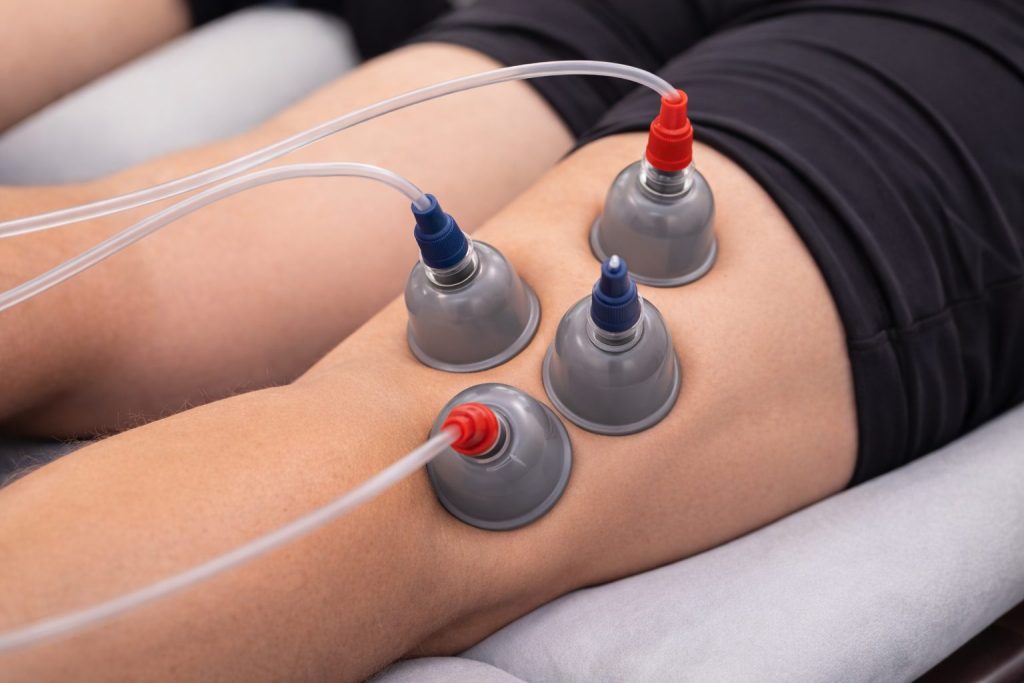
- • IFC (interferential current therapy): used to support pain control and comfort when appropriate, applied using comfortable suction-cup electrodes rather than adhesive pads.
- • Shockwave therapy: used selectively for certain persistent tendon and soft-tissue pain patterns
- • Education that makes life easier: ergonomics, pacing, recovery, and practical “what to do next” guidance
Featured Physiotherapy Modalities
Interferential Current Therapy (IFC)
IFC is a form of electrical stimulation that can help reduce pain and improve comfort—especially when symptoms are limiting your ability to move or exercise. Sensation is typically a mild tingling or pulsing, and intensity is adjusted to your tolerance. IFC is most useful when it helps you move better and tolerate your rehab plan; it’s not a standalone fix. If IFC isn’t appropriate for you, we simply don’t use it. Our IFC is applied via modern suction applicator and not unreliable sticky pads.
Shockwave Therapy
Shockwave therapy is a non-invasive modality that delivers mechanical pulses to targeted tissues. It’s often considered for certain stubborn tendon and soft-tissue pain patterns, especially when symptoms have been persistent and loading tolerance needs to improve. It can feel like tapping and may be temporarily sore afterward. When used, it’s paired with a progressive rehab plan—because shockwave tends to work best alongside a structured strengthening and loading program. We are Oakville’s most affordable shockwave clinic at only $80 per session.
Instrument-Assisted Soft Tissue Therapy (IASTT)
IASTT uses a specialized tool to provide targeted soft tissue treatment. It can be helpful when an area feels restricted or highly sensitive, and we want to improve short-term mobility and tolerance. You may feel pressure or a scraping-like sensation; mild redness can occur temporarily. As with hands-on care, the goal is to support better movement and reinforce progress with exercise.

Evidence & Integrity Snapshot
We provide evidence-informed physiotherapy—meaning your plan is guided by research, clinical expertise, and your goals. For common musculoskeletal concerns (especially back pain), high-quality guidelines consistently emphasize staying active, education, and exercise-based rehabilitation, with hands-on care and passive treatments used as part of a broader plan—not the entire plan. (NICE)
What we prioritize:
- • Clear explanations and a plan that makes sense
- • Active rehab and progressive exercise with measurable progress
- • Treatment choices that match your needs and your response
- • Reassessment and plan adjustments when things change
What we avoid:
- • Guarantees, hype, or fixed timelines
- • One-size-fits-all protocols
- • Passive-only care that doesn’t build long-term capacity
When we refer out:
If screening suggests a medical red flag or something outside physiotherapy’s scope, we recommend appropriate next steps and referral pathways.
Oakville Physiotherapy Case Study
Patient profile: Mid-40s office professional, active on weekends, recurring lower back pain with occasional leg symptoms after long sitting and lifting.
Starting limitation: Couldn’t sit longer than 20 minutes without pain; avoided exercise; sleep disrupted several nights per week.
Assessment highlights: Mechanical lower back pattern with limited hip mobility, reduced trunk endurance, and sensitivity to repeated bending. Neurological screening did not indicate urgent concerns.
Plan:
- • Settled symptoms with pacing strategies, mobility, and comfort-supporting care as needed
- • Restored movement control with graded exposure to bending and lifting patterns
- • Built strength (glutes/core/hinge mechanics) with a progressive loading plan
- • Returned to gym activity with a clear progression and flare-management strategy
Milestones: - • Week 2: Improved sitting tolerance; fewer sleep disruptions
- • Week 4: Resumed structured workouts twice weekly with modifications
- • Week 8+: Returned to regular activity with improved confidence and fewer flare-ups
Outcome: Improved function and self-management with a clear maintenance plan to reduce recurrence risk.

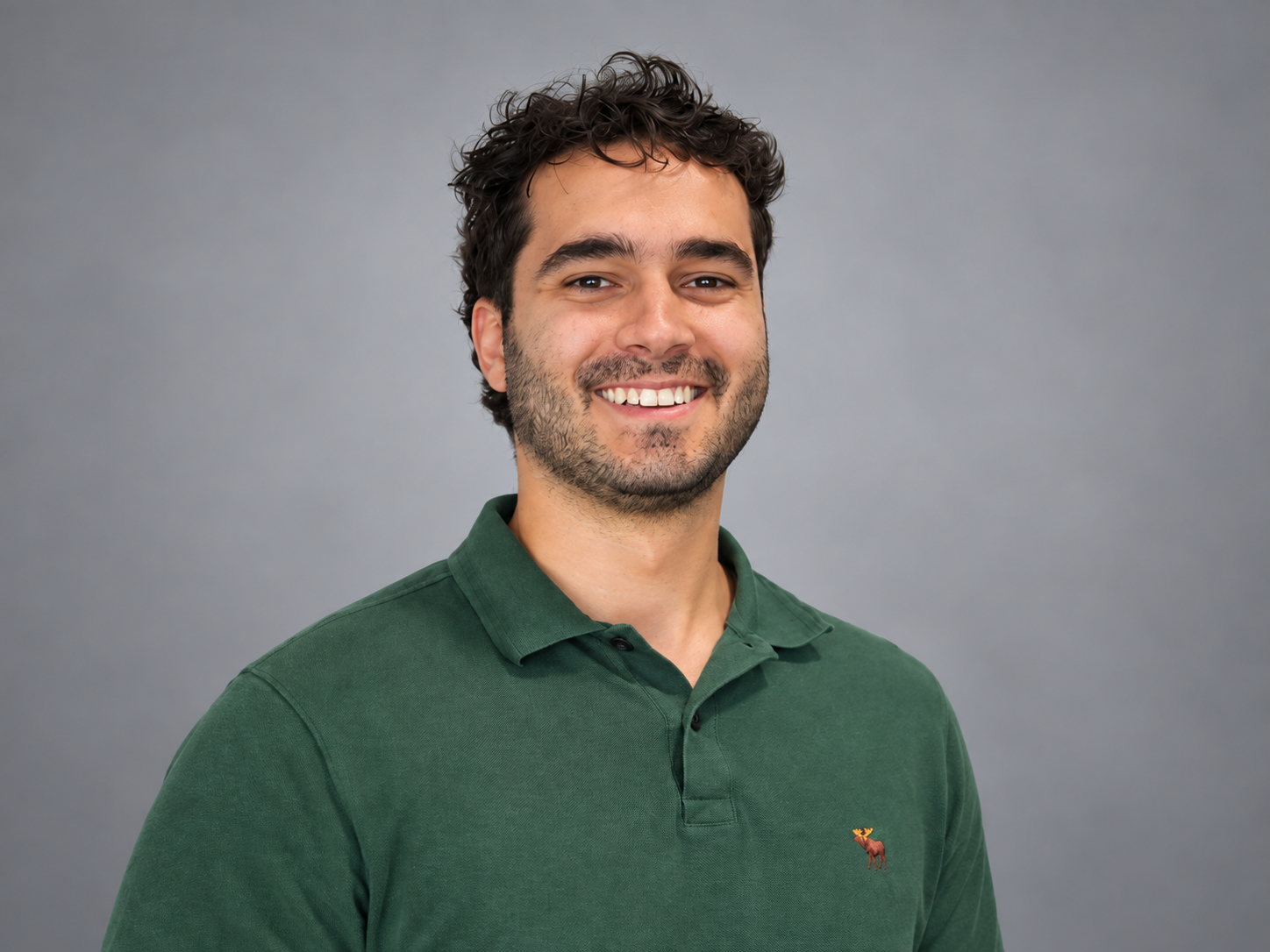
Meet Our Team





Download Our Complete Guide to Physiotherapy in Oakville
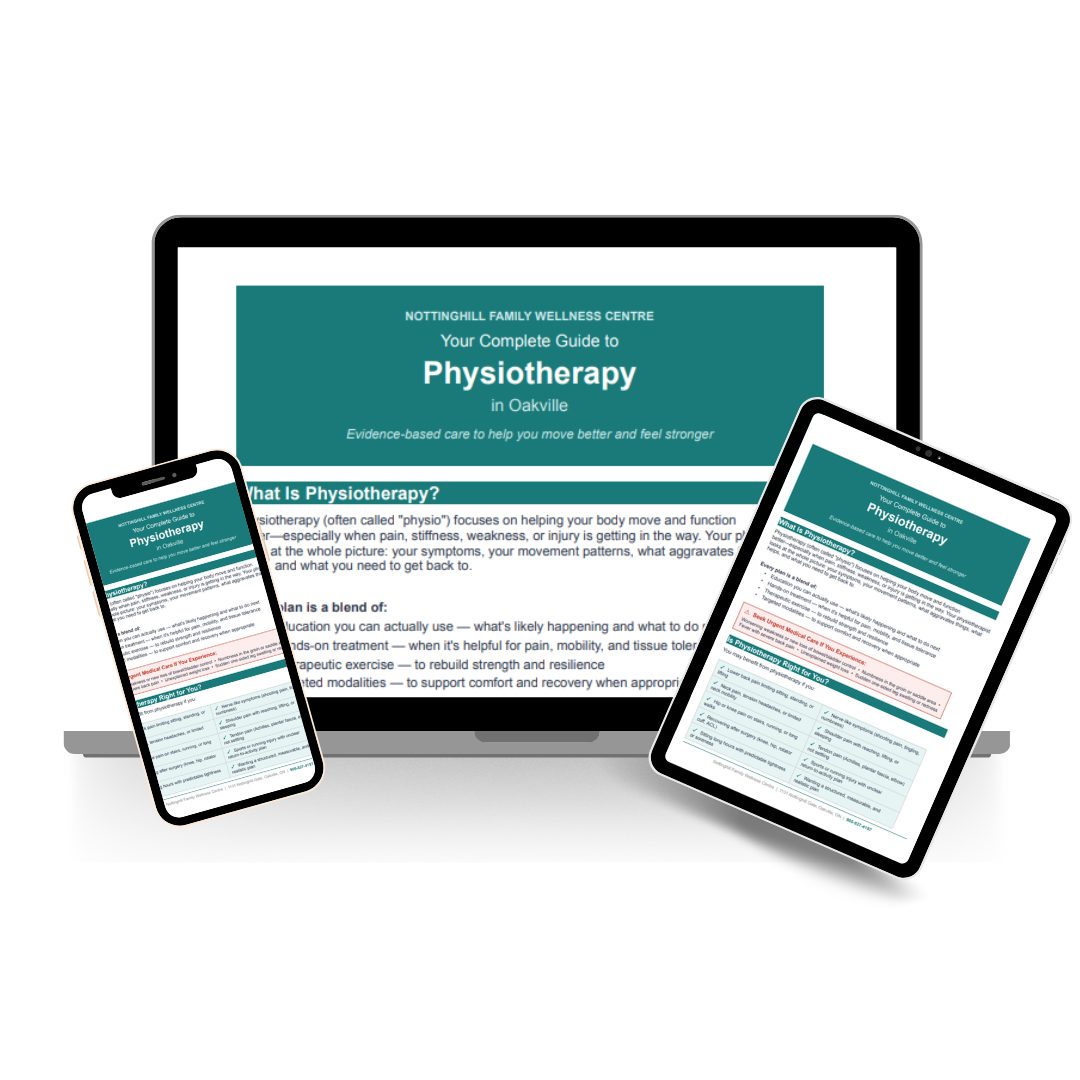
Get our complete Oakville physiotherapy guide for a clear, helpful overview of what physiotherapy is, who it may help, the types of pain and injuries we treat, and what your recovery journey may look like at Nottinghill Family Wellness Centre.
Physiotherapy Oakville Direct Billing & Pricing
We aim to keep billing straightforward and reduce friction around getting care.
- • Direct billing: Direct insurance billing may be available for physiotherapy when your plan permits it.
- • Receipts: Receipts are provided for reimbursement when needed.
- • Referrals: You can access physiotherapy directly in Ontario, but some extended health plans still request a referral for reimbursement—check your policy to confirm. (Ontario Physiotherapy Association)
- • What’s included per visit: A movement-based plan with treatment that may include hands-on care, individualized exercise programming, and supportive modalities when appropriate.
- • Pricing: Initial Physiotherapy Assessment: $130 —- Physiotherapy Follow-Up: $80
Veterans Affairs and Canadian Armed Forces Physiotherapy
Using Veterans Affairs Canada or Canadian Armed Forces benefits? Our team can help arrange physiotherapy with the required coverage and authorization in place. Visit our VAC and CAF physiotherapy information page for booking steps, referral information and what to bring. Call 905-827-4197 to check availability.

Book Physiotherapy in Oakville
You don’t have to push through pain or wait until it becomes unmanageable. Start with a thorough assessment, a clear plan, and practical next steps—so you can move better, feel stronger, and stay confident in your day-to-day life.
Glen Abbey Physiotherapy FAQs
Have more questions? Read our complete Physiotherapy FAQs.
Do I need a doctor’s referral to book physiotherapy at Nottinghill Family Wellness Centre?
No. You can book directly with Vinaya at our Oakville clinic. Some extended health plans require a physician’s referral for reimbursement, so check your plan before your appointment.
What happens at my first physiotherapy appointment?
Your first appointment with Vinaya includes a review of your symptoms, health history and goals, along with movement and functional testing. She explains her findings and starts treatment when appropriate. You’ll leave with a clear plan for your next steps.
How much does physiotherapy cost, and can you direct bill?
The initial physiotherapy assessment is $130, and follow-up visits are $80. Direct billing is available for many extended health plans, depending on your insurer and coverage. glenabbeychiro.com
Is shockwave therapy included in a physiotherapy appointment?
When Vinaya determines that shockwave therapy is appropriate, it can be included in a regular physiotherapy follow-up. You don’t book or pay for a separate shockwave appointment.
How many physiotherapy visits will I need?
There isn’t one set number. It depends on your symptoms, goals and progress. Vinaya reassesses how you’re responding and adjusts the plan as your pain, movement and strength change.
What if I’m not improving?
Vinaya will reassess what’s limiting your progress and adjust your plan. If your symptoms or assessment suggest that medical follow-up is appropriate, she’ll recommend the next step.
Will physiotherapy treatment hurt?
Treatment should stay within your comfort level. Some exercises or hands-on techniques can feel temporarily uncomfortable, but Vinaya adjusts the approach based on your response.
Content Reviewed By: Vinaya Chitgopkar on October 16, 2026
Chiropractic License Number: 5580