Carpal Tunnel Treatment FAQS
1) What is carpal tunnel syndrome (CTS)?
Carpal tunnel syndrome is a nerve compression condition where the median nerve is squeezed as it passes through the wrist’s carpal tunnel, leading to pain, tingling, numbness, and in advanced cases weakness in the hand and fingers.
2) What are the most common symptoms of carpal tunnel?
Our Oakville team says symptoms of carpal tunnel include numbness, tingling, burning, and weakness. Most symptoms are felt in the thumb, index, and middle fingers. Symptoms may gradually worsen and can wake people at night.
3) What causes carpal tunnel syndrome?
Pressure on the median nerve from repetitive hand motions, poor wrist posture, inflammation, swelling or fluid retention can cause carpal tunnel syndrome. Underlying conditions like arthritis or diabetes can increase risk. Typing, mouse use, gripping tools, driving and prolonged cell phone use are common triggers. Dr. Steve Knighton says he most commonly sees carpal tunnel in patients who have the wrong computer setup and are using their devices too much.
4) What non-surgical treatments are effective for carpal tunnel?
Conservative options include wrist splints, ergonomic changes, physical therapy, manual therapy, shockwave therapy, acupuncture and lifestyle modifications. These can relieve symptoms and improve nerve function when started early. Shockwave is the gold standard for treating carpal tunnel and in most cases can allow the patient to avoid surgery.
5) Does shockwave therapy help with carpal tunnel syndrome?
Yes — Shockwave is the gold standard for carpal tunnel treatment. At our Oakville clinic, shockwave therapy is a key evidence-based modality shown to accelerate tissue healing, reduce inflammation, and relieve pain more effectively than many traditional treatments alone. Both our chiropractic and physiotherapy team use shockwave therapy with a combination of other treatments and modalities to cure carpal tunnel and wrist pain.
6) When should I see a healthcare professional for carpal tunnel symptoms?
See a professional if symptoms persist for more than a few weeks, especially if there’s weakness or loss of hand function. Dr. Steve Knighton says early diagnosis helps prevent permanent nerve damage. The earlier the patient begins treatment the faster they heal!
7) Can ergonomic changes at work help carpal tunnel?
Yes — Ergonomics are super important for carpal tunnel healing and prevention. Properly set up computer work station is key! Optimizing keyboard height, improving wrist position, incorporating breaks from repetitive tasks, and proper posture can significantly reduce wrist strain and help reduce symptoms.
8) What role do wrist braces or splints play?
Wrist braces keep the wrist in a neutral position, especially at night or during aggravating activities, reducing nerve pressure and often improving symptoms. Icing and night splints can drastically improve carpal tunnel.
9) When do I have to wear my braces/splints?
Wearing splints at night is recommended to prevent the wrists from falling into positions that will further compress the median nerve and aggravate symptoms. Mornings are often the worst time for symptoms because the wrist tends to bend during sleep, which is why splints are recommended to help keep the wrist in a neutral position. If symptoms are severe, or if job/life requires repetitive use of the hands and wrists then it may be beneficial to wear the splint during those activities as well!
10) Is acupuncture helpful for carpal tunnel pain?
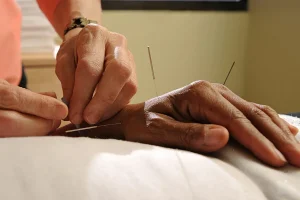
Yes! Dr. Jenn uses acupuncture to help reduce nerve irritation and inflammation around the wrist. Acupuncture helps to improve circulation and dampen pain, making it a valuable adjunct to other therapies. At our Oakville clinic acupuncture treatment is performed by Dr. Jenn Garven and is billed under chiropractic for insurance purposes.
11) Can carpal tunnel syndrome go away on its own?
In early or mild cases, symptoms can sometimes improve with activity modification, splinting, and timed rest, but persistent symptoms typically need professional treatment.
12) When might surgery be necessary for carpal tunnel?
Carpal tunnel surgery (carpal tunnel release) is considered when symptoms are severe, progressive, or fail to improve with conservative care, particularly when there is ongoing weakness or loss of hand function. At our clinic, surgery is viewed as a last resort. Dr. Steve works closely with patients who may be considered surgical candidates to develop an evidence-based treatment plan aimed at reducing symptoms and improving nerve function before surgery is pursued. With over 20 years of clinical experience, outcomes following carpal tunnel surgery can be highly variable, which is why conservative treatment options are often explored first. Once surgery is performed, it is not reversible, making proper assessment and informed decision-making essential.