Plantar Fasciitis Treatment Oakville
Are you struggling with heel pain, especially with your first steps in the morning? If you live in Oakville and have been diagnosed with plantar fasciitis or heel spurs, our expert chiropractic and physiotherapy team is here to help. If you have heel pain with the first step in the morning or heel pain after sitting for a period of time, you most likely have plantar fasciitis.
Heel pain is one of the most common conditions we treat at our Oakville clinic, and plantar fasciitis is the leading cause of heel pain in adults. Patients from Oakville, Burlington, Milton, and Mississauga visit our clinic for plantar fasciitis treatment, heel pain relief, and custom orthotics.
Dr. Steve and his chiropractic and physiotherapy team have been providing effective plantar fasciitis treatment in Oakville for nearly 20 years, specializing in Shockwave Therapy.
The team at Nottinghill Family Wellness Centre in Oakville clinic’s chiropractors and physiotherapists use evidence-based treatment protocols to reduce inflammation in the plantar fascia, restore proper walking mechanics, and help patients return to walking, running, and work without pain.
Our plantar fasciitis experts treat with a combination of Shockwave Therapy with Active Release Techniques (ART), Instrument-Assisted Soft Tissue Therapy, and targeted stretching to accelerate healing and relieve pain.
Patients experiencing heel pain may also notice more generalized discomfort. Learn more about common causes and treatment options on our Foot Pain Oakville page.

What is Plantar Fasciitis?
Plantar fasciitis is one of the most common causes of heel pain and is often felt with the first few steps in the morning or after periods of rest. Many patients also experience tightness through the lower calf and Achilles tendon. Although heel spurs are sometimes blamed for the pain, most plantar fasciitis patients do not actually have heel spurs, and those who do can typically be treated using the same evidence-based treatment protocols.
At Nottinghill Family Wellness Centre, our chiropractic and physiotherapy team regularly treats plantar fasciitis and heel pain for patients from Oakville, Burlington, Milton, Mississauga, Bronte, and surrounding communities. In our clinical experience, tight calf muscles and restricted Achilles tendons are one of the most common contributing factors to plantar fasciitis. The calf muscles begin above the knee and transition into the Achilles tendon, which attaches to the heel and connects directly with the plantar fascia that supports the arches. When this chain becomes tight or overloaded, it can place excessive strain on the plantar fascia and lead to ongoing heel pain.
Sleeping with toes pointed down mildly contracts the calf muscles. Upon waking, the first steps stretch the calves, pulling sharply on the Achilles and heel. Overnight, the body repairs micro-tears in the plantar fascia in a shortened position. Those first steps re-tear the tissue, causing intense pain.
Heel pain is one of the most common conditions we treat at our Oakville clinic, and plantar fasciitis is the most frequent cause of heel pain in adults.
Because the plantar fascia supports the arches, plantar fasciitis can sometimes lead to discomfort through the arch. You can read more about this on our Arch Pain Treatment Oakville page.
Plantar Fasciitis injuries sustained during a motor vehicle accident can contribute to ongoing heel pain and plantar fascia irritation. Our motor vehicle accident rehab Oakville program includes treatment for heel injuries caused by collisions.
Heel Pain When Taking Your First Steps in the Morning
Many patients in Oakville notice plantar fasciitis pain most strongly when they take their first steps in the morning or after sitting for a long period of time. During sleep the plantar fascia tightens slightly, and when you stand up and place weight on the arch the tissue suddenly stretches. This can cause sharp pain in the bottom of the heel.
As the underside of the plantar region warms up and tissues loosen, the pain often improves temporarily. However, the discomfort may return later in the day after prolonged standing or walking.
If you are experiencing heel pain with your first steps in the morning, it may be a sign of plantar fasciitis and should be evaluated by a healthcare professional.
Changes in boney structure can sometimes contribute to abnormal pressure through the plantar fascia. Conditions such as bunions or nerve irritation in the forefoot known as Morton’s neuroma can alter walking mechanics and increase strain on the body. You can learn more about these conditions on our Bunion Treatment Oakville and Morton’s Neuroma Treatment Oakville pages.

Symptoms of Plantar Fasciitis
-
heel pain with first steps in morning
-
pain after sitting or rest
-
tenderness under the heel
-
arch pain
-
calf tightness
Heel Pain Treatment Oakville
Many patients searching for heel pain treatment in Oakville are actually experiencing plantar fasciitis. The pain typically develops where the plantar fascia attaches to the heel bone and is often worse in the morning or after periods of rest.
Heel complex and ankle instability can sometimes contribute to ongoing pain and altered walking mechanics. Conditions such as sinus tarsi syndrome or previous ankle sprains can affect how the heel absorbs force during walking and may place additional stress on surrounding structures. You can learn more about these conditions on our Sinus Tarsi Syndrome Treatment Oakville and Ankle Sprain Treatment Oakville pages.

Common Causes of Plantar Fasciitis and Heel Pain
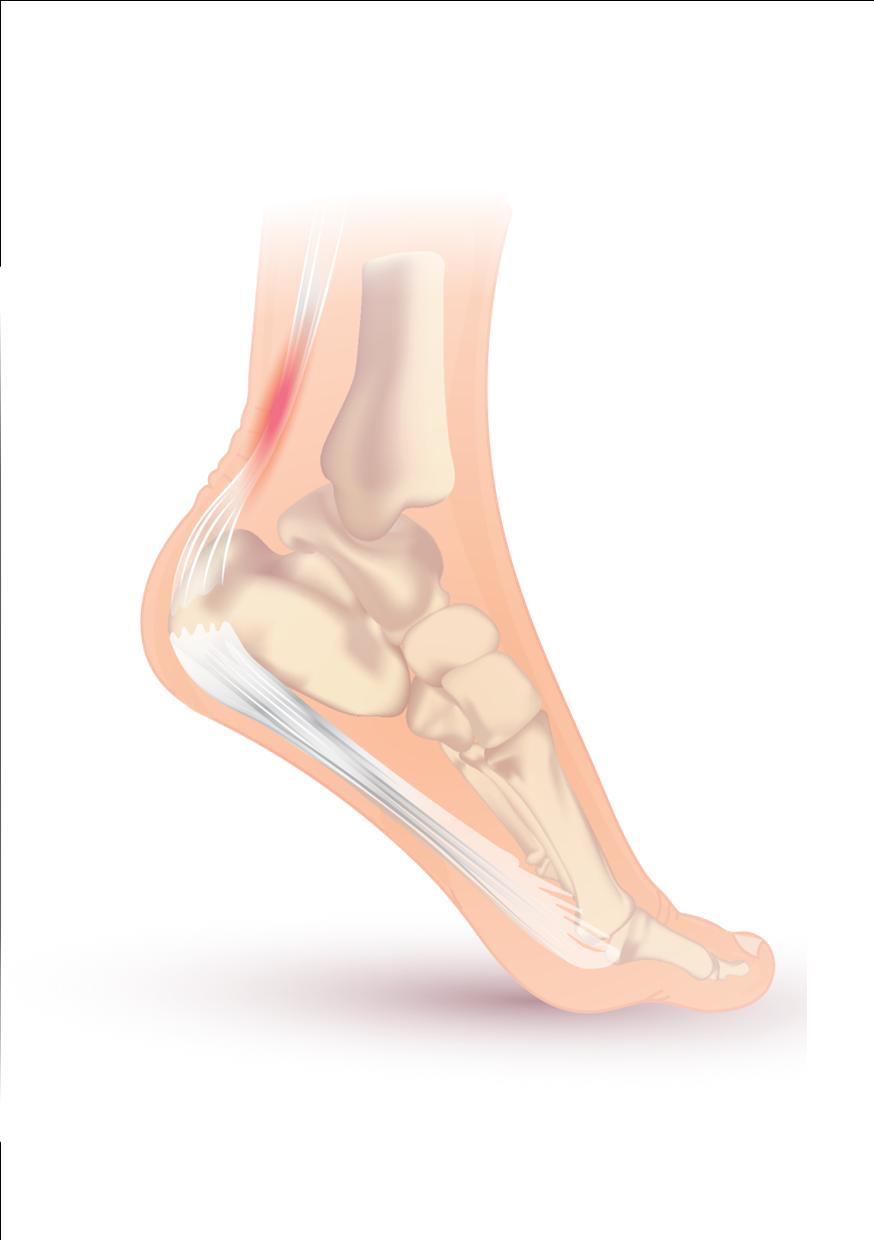
Plantar fasciitis occurs when the plantar fascia — the thick band of connective tissue that runs along the bottom of the arches from the heel to the toes — becomes irritated and overloaded. This tissue supports the arch of the heel toe complex and helps absorb the forces created during walking, running, and standing. When excessive stress is placed on the plantar fascia over time, small micro-tears can develop, leading to inflammation, stiffness, and persistent heel pain.
Several factors can contribute to the development of plantar fasciitis.
Tight Calf Muscles and Achilles Tendon
One of the most common contributors to plantar fasciitis is tightness in the calf muscles and Achilles tendon. These structures connect directly into the heel and plantar fascia. When the calves are tight, they increase tension through the heel and arches, especially during walking or running.
Flat Feet or Over-Pronation
People with flat feet or excessive pronation place greater stress on the plantar fascia as the arch collapses during weight bearing. This increased strain can gradually lead to irritation of the tissue and ongoing heel pain.
High Arches
While flat feet can contribute to plantar fasciitis, very high arches can also increase stress on the plantar fascia. High arches reduce the arch complexes natural ability to absorb shock, which can place greater pressure through the heel and arch during activity.
Prolonged Standing or Walking
Jobs that require long periods of standing or walking on hard surfaces — such as nursing, teaching, retail work, or construction — can overload the plantar fascia over time and increase the likelihood of developing heel pain.
Poor Footwear
Shoes that lack proper arch support, cushioning, or heel stability can increase strain on the plantar fascia. Walking barefoot or wearing unsupportive shoes for extended periods can make symptoms worse.
Running and Sports Activity
Sudden increases in running distance, hill training, or high-impact sports can overload the plantar fascia and lead to irritation, particularly if calf tightness or poor shoe choices is also present.
Oakville Plantar Fasciitis Treatment Video
Treatment for Plantar Fasciitis and Heel Pain in Oakville
When patients visit our Oakville chiropractic and physiotherapy clinic they receive more than a single-modality approach to treatment. Our team regularly treats plantar fasciitis and heel pain for patients from Oakville, Burlington, Milton, Mississauga, Bronte, and surrounding communities using comprehensive, evidence-based treatment protocols.
Most plantar fasciitis patients at our clinic receive a combination of Active Release Therapy (ART), Instrument Assisted Soft Tissue Therapy, Interferential Current Therapy (IFC), and shockwave therapy, along with personalized stretching programs, icing instructions, and guidance on activity modification. This multi-modal approach helps reduce strain on the plantar fascia, improve mobility in the calf and Achilles tendon, and support long-term recovery.
Dr. Steve also places a strong emphasis on proper shoes and arch support, as unsupportive shoes are one of the most common contributors to ongoing plantar fasciitis and heel pain. While changing footwear is not always a patient’s favorite recommendation, it is often one of the most important steps in helping patients recover and prevent the condition from returning.
If your plantar fasciitis symptoms are related to a workplace injury, learn how to start a WSIB claim and access approved treatment in Oakville.
How We Treat Plantar Fasciitis and What Makes Us Different:
Interferential Current Therapy For Plantar Faciitis

Interferential Current is applied to almost all of our Oakville plantar fasciitis patients. Our clinic uses a suction/vacuum applicator to apply 4 leads of IFC to the patients calf and/or heel.
The stimulation (electrical current) is then turned on and increased to the patients pain tolerance levels. The IFC is used for pain control and help promote blood flow to the injured area.
In most circumstances our health experts combine a heat pack to further promote blood flow. We find this combination helps dramatically with the healing process and allows the shockwave therapy to be optimized after the heat and the IFC is removed. IFC is also very helpful at relieving pain, so you will leave the clinic feeling better!
Shockwave Therapy for Plantar Fasciitis
Our team treats all types of plantar fasciitis, from acute to chronic cases. One of our best tools at our Oakville clinic is Shockwave Therapy—despite its name, it doesn’t involve shocks or waves.
This treatment uses a pneumatic device that delivers rapid, targeted energy into tissues. A small “bullet” moves within a pressurized tube, striking the applicator head to precisely target muscles and tendons—far more accurately than hands-on therapy. Treatment intensity varies by injury, typically between 1.5 and 4 psi, with 600 to 2000 pulses per session. The process takes under three minutes, and most patients notice improvement immediately after treatment.
Shockwave therapy treats pain by breaking up scar tissue, loosening tight muscles, and improving circulation. The high-energy pulses help release restricted tissue, restoring movement and mechanics. Even without scar tissue, shockwave quickly relaxes tight calf and hamstring muscles. It also boosts blood flow and can stimulate new blood vessel growth, enhancing the body’s natural healing process.

Active Release Therapy (ART) For Heel Pain
At our Oakville clinic our doctors use a combination or Muscle release techniques including Active Release Therapy. ART for plantar fasciitis is usually performed with the patient face down. The Doctor presses their finger/thumb into tight and tender areas of the calf/achilles/hamstring/soleus and moves the patients injured leg or ankle in a full range of motion.
Treatment usual lasts for 2 to 5 minutes depending on the severity of the condition. ART is used to help loosen the muscle and release areas of adhesion or scar tissue. Essentially the treatment our ART Doctors perform improve the range of motion of the ankle joint and allow for improved gait biomechanics.

Instrument Assisted Soft Tissue Therapy
Instrument Assisted Soft Tissue Therapy is a type of muscle release therapy that uses tools to loosen the muscles. The muscle is stretched and then a small plastic tool is used to dig deep into the tissue and release trigger points and the fascia that runs between our muscles. The scraping technique used in instrument-assisted soft tissue release, like Instrument Assisted Soft Tissue Therapy, creates microtrauma in the area which increases blood flow and optimizes the healing process.
There are different shaped tools to get into different tissues. Some tools have sharper corners to dig under tendons, others have more broad surfaces to release larger muscles. These tools often help our chiropractors dig deeper than just their thumbs would allow, and therefore reach the deeper layers of tissue in the problematic areas. The plantar fascia and Achilles tendon are very thick pieces of tissue that require a decent amount of pressure to loosen them up. The tools are a great way to dig into these areas with the necessary forces to make a positive impact.

What Our Patients Are saying
-
Exceptional care and expertise! Dr.Steve truly goes above and beyond to provide personalized and effective treatment highly recommend

 Michael azim
February 6, 2025Dr.Steve and his team are very professional, focused. I came with severe pain in my knee, and he quickly got to the point, and in three sessions, I have recovered considerably- from not being able to walk and pain to a level of 10/10 in some positions, to being able... read more
Prashant Bhatt
November 7, 2024The staff and the doctors at this place are amazing. My husband and I both have had really good experience with 2 different doctors here. After years of suffering and going to different practitioners finally Dr. Jenn worked magic on my lower back pain and neck. I've... read more
amal farooq
October 7, 2024 -
Dr Steve and all the staff are excellent. He has been on point in helping us deal with some injuries and pains; shock wave therapy is a game changer. Now, all the family goes there. From injuries to posture, they are our go-to clinic. Highly recommend.
Jorge Vidal
December 7, 2024Wow! Wow! Wow! Some serious back pain from recent snow event. Sent emergency pleading text yesterday and was squeezed in for an appt BEFORE the clinic even opened. Can’t express my sincere gratitude enough. Over and above 5star service from Dr Steve and the amazing Laura. This wasn’t the... read more
Anna Molar
February 20, 2025Dr. Jenn thank you for all the years looking after our family, you are nothing short of a miracle worker. Always refer friends to your practice, sorry we are moving, you will be missed. Audrey, thank you for always accommodating us on short notice and following up, lifesaver. ... read more
Shona Mindzak
December 7, 2024 -
Dr.Jenn is a very caring and skilled chiropractor. She has a gentle yet highly effective touch. I have been to her for two separate issues and both have resolved nicely. I would highly recommend her to anyone. The clinic staff are very friendly and helpful as well.
Sandra Chiang
June 7, 2024As a dance instructor, I was suffering from severe pain in my calves and tendons in my legs. Dr. Steve is a true expert in his field. After just one session, I noticed a significant improvement in my pain. I immediately received additional information on how to improve my leg.... read more
cesar gonzalez
September 7, 2024I had a great experience with Dr. Steve and his team! Dr. Steve is very knowledgeable, and the whole team is welcoming and professional. After my visits, my elbow pain is now mostly relieved. Highly recommend their care!
Li Li
November 7, 2024


Do Tight Calves Cause Plantar Fasciitis?
Tight calf muscles and restricted Achilles tendons are one of the most common contributing factors to plantar fasciitis and ongoing heel pain. The calf muscles begin above the knee and transition into the Achilles tendon, which attaches to the back of the heel and connects directly with the plantar fascia along the bottom of heel-arch complex. When the calf muscles are tight, they increase tension through the Achilles tendon and place additional strain on the plantar fascia with every step.
At our Oakville chiropractic and physiotherapy clinic we frequently see plantar fasciitis develop in patients with limited calf flexibility. This tightness can reduce ankle mobility and increase stress on the heel during walking, running, or standing for long periods. Over time, the repetitive strain placed on the plantar fascia can lead to irritation, inflammation, and the classic heel pain many patients feel with their first steps in the morning.
Our clinic regularly treats plantar fasciitis for patients from Oakville, Burlington, Milton, Mississauga, Bronte, and surrounding communities. Treatment often focuses on reducing tension in the calf muscles and Achilles tendon through targeted soft tissue therapies, shockwave therapy, and guided stretching programs designed to restore proper movement and reduce strain on the plantar fascia.

What Is Over-Pronation and How Can It Contribute to Plantar Fasciitis?
Over-pronation is another common factor that can contribute to plantar fasciitis and ongoing heel pain. Pronation is the natural inward rolling motion of the ankle that occurs during walking and running. This movement helps the arches absorb shock and adapt to the ground. However, when the ankle rolls inward excessively — known as over-pronation — the arch can collapse more than normal and place additional strain on the plantar fascia.
When over-pronation occurs, the plantar fascia must work harder to support the arches during every step. Over time, this repetitive stress can irritate the tissue where it attaches to the heel, leading to inflammation and the characteristic heel pain many patients feel with their first steps in the morning.
Excessive pronation can also contribute to arch strain. Patients experiencing this may also want to review our Arch Pain Treatment Oakville page.
At our Oakville chiropractic and physiotherapy clinic we frequently assess gait mechanics in patients suffering from plantar fasciitis. Improper walking mechanics, flat feet, and arch instability are common findings in patients from Oakville, Burlington, Milton, Mississauga, Bronte, and surrounding communities who develop chronic heel pain.
Treatment may include hands-on therapy to improve mobility of the structures of the plantar fascia and ankle, shockwave therapy to stimulate healing in the plantar fascia, and specific strengthening and stretching exercises to improve overall stability. In some cases, supportive shoes or custom orthotics may also be recommended to help control excessive pronation and reduce strain on the plantar fascia during daily activity.

Acupuncture for Plantar Fasciitis Treatment in Oakville

Tight calf muscles are a common contributing factor to plantar fasciitis, and acupuncture can be an effective way to help release them. Dr. Jenn uses acupuncture with gentle electrical stimulation to encourage muscle contraction and relaxation, helping reduce tension in the calves and lower leg while also decreasing pain signals.
Acupuncture can also target deeper muscles that influence gait mechanics, including muscles in the hips, lower back, and glutes. A technique sometimes referred to as “fascial pecking” can help release tight areas in these regions, improving overall movement and reducing strain on the plantar fascia.
By improving muscle balance and circulation, acupuncture can help reduce inflammation around the heel and arch while supporting the body’s natural healing process. For many patients with plantar fasciitis, acupuncture can be a comfortable and effective way to reduce pain and improve recovery.
Structural changes in the underbelly such as bunions or nerve irritation in the forefoot known as Morton’s neuroma can alter walking mechanics and increase strain on the plantar fascia.
Proper Shoes To Prevent Plantar Fasciitis

Shoes plays an important role in both the development and recovery of plantar fasciitis. Factors such as pelvic alignment, tight hamstrings and calves, and the biomechanics of your walking pattern can all influence the amount of strain placed on the plantar fascia. However, the shoes you wear every day can either help support your feet or make heel pain significantly worse.
At our Oakville chiropractic and physiotherapy clinic we frequently see plantar fasciitis aggravated by poor shoe choices. High heels, flat sandals, and flip flops provide very little support for the arch and heel, which can increase stress on the plantar fascia and contribute to ongoing heel pain.
Patients visiting our clinic from Oakville, Burlington, Milton, Mississauga, Bronte, and surrounding communities are often advised to switch to supportive running shoes while recovering from plantar fasciitis. A good running shoe typically provides better arch support, cushioning, and heel stability, all of which help reduce strain on the plantar fascia during daily activities.
While supportive footwear may not always be the most fashionable option, it is one of the most important steps in helping plantar fasciitis heal and preventing the condition from returning.
Custom Orthotics For Plantar Fasciitis
Orthotics are another great option to help manage plantar fasciitis. As we discussed above, over-pronators are more at risk of developing this condition. When the inside arches of the feet collapse too much, it puts extra strain on the bottom of the feet. Our orthotics come in a variety of coverings to fit into dress shoes, running shoes and casual shoes! They can even be made in different lengths to accommodate narrow and pointy-toed shoes!
Orthotics are custom made to fit your feet. These inserts are built to match the contours of your feet perfectly, and help provide extra support in areas that are lacking. If you already have plantar fasciitis, wearing supportive shoes and orthotics is a must! Orthotics are made from a more rigid material than typically found in any running shoe. They help provide support, and more importantly they help wake up the muscles in the feet. Wearing orthotics help the muscles of the feet activate to their full potential, and the muscles help prevent the arches from over-collapsing. Orthotics are covered by most insurance companies and are a really effective way of helping manage plantar fasciitis!

Our chiropractors regularly see patients in Oakville experiencing heel pain with their first morning steps or after sitting for long periods, such as standing up after a day at the desk. This is one of the most common symptoms of plantar fasciitis.
At our Oakville clinic we often see plantar fasciitis flare up during seasonal footwear changes. Switching from supportive winter boots to unsupportive shoes like flats, flip-flops, or dress shoes can increase strain on the plantar fascia. Supportive footwear and, in some cases, custom orthotics can help reduce stress on the foot during walking or standing.
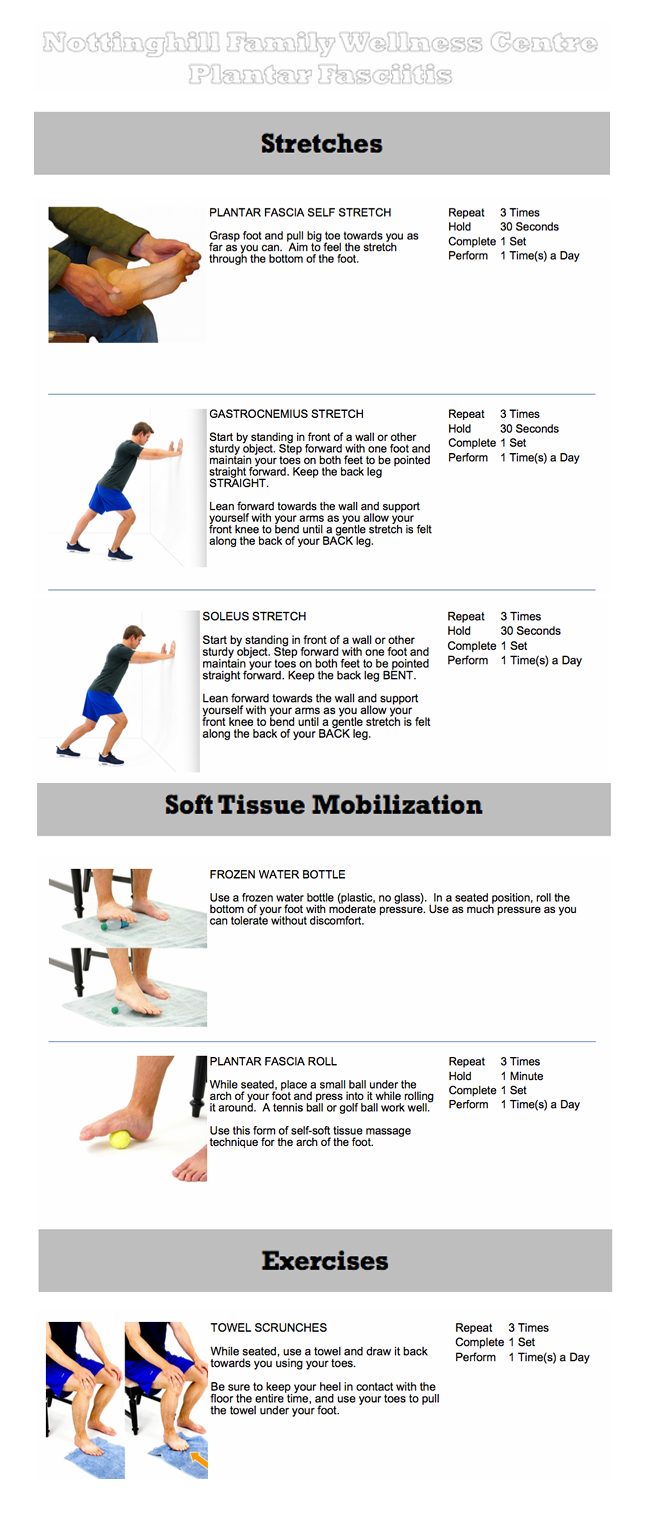
Stretching and strengthening exercises are also an important part of plantar fasciitis treatment. Calf and plantar fascia stretches help reduce tension in the heel, while simple strengthening exercises support the arch and improve gait stability. As the small muscles in the plantar fascia become stronger, they help reduce strain on the plantar fascia and speed recovery.
For home care, our Oakville chiropractors often recommend rolling the bottom arches on a golf ball, therapy ball, or frozen water bottle. This simple self-massage technique helps loosen tight tissues and can provide relief for plantar fasciitis pain between treatments.
Plantar Fasciitis Treatment Near Oakville
We provide plantar fasciitis and heel pain treatment for patients from Oakville, Burlington, Milton, Mississauga, Bronte, Glen Abbey, River Oaks, West Oak Trails, and surrounding communities.
Many patients suffering from plantar fasciitis also experience other lower limb and ankle conditions related to gait mechanics and overuse. If your heel pain is accompanied by other symptoms, you may also want to learn more about conditions such as foot pain, arch pain, bunion deformities, Morton’s neuroma, sinus tarsi syndrome, or ankle sprains, all of which can affect how the plantar fascia functions during walking and standing.
Our clinic regularly treats plantar fasciitis and heel pain patients from:
Oakville
Burlington
Milton
Mississauga
Bronte
West Oak Trails
River Oaks
Why Patients Choose Our Oakville Plantar Fasciitis Clinic
Include:
-
chiropractic + physiotherapy team
-
shockwave therapy protocols
-
custom orthotics
-
20+ years experience
-
evidence-based treatment
Plantar Fasciitis Treatment FAQS
What are the first signs of plantar fasciitis?
The most common early sign of plantar fasciitis is sharp heel pain with the first few steps in the morning or after sitting for a long period of time. Many patients also notice tightness in the calf muscles or discomfort in the arch and the heel. Patients visiting our clinic from Oakville, Burlington, Milton, and Mississauga often describe the pain improving slightly as they walk, but returning again after periods of rest.
Why does plantar fasciitis hurt more in the morning?
Plantar fasciitis pain is usually worse in the morning because the plantar fascia tightens overnight while the plantar fascia is relaxed. When you take your first steps, the tissue suddenly stretches and can cause sharp heel pain. Treatment programs that improve calf flexibility and reduce strain on the plantar fascia can help reduce this morning pain.
How long does plantar fasciitis usually take to heal?
Recovery time for plantar fasciitis varies depending on how long the condition has been present and the underlying causes. Many patients begin to see improvement within a few weeks when the condition is treated early with therapies such as shockwave therapy, soft tissue treatment, stretching, and proper footwear. Chronic plantar fasciitis cases may take several months to fully resolve.
What is the fastest way to treat plantar fasciitis?
The fastest way to improve plantar fasciitis is usually a combination of treatments that reduce stress on the plantar fascia and improve flexibility in the calf and Achilles tendon. At our Oakville clinic treatment often includes shockwave therapy, Active Release Therapy, instrument assisted soft tissue therapy, stretching programs, and supportive footwear recommendations.
Do orthotics help plantar fasciitis?
Custom orthotics can help some plantar fasciitis patients, particularly those with flat feet or excessive pronation. Orthotics support the arch and ankle and help distribute pressure more evenly while walking or standing. At our clinic orthotics are often recommended after initial treatment has reduced pain and inflammation in the plantar fascia.
Can tight calf muscles cause plantar fasciitis?
Yes, tight calf muscles and restricted Achilles tendons are one of the most common contributing factors to plantar fasciitis. When the calf muscles are tight they increase tension through the heel and arches, placing additional stress on the plantar fascia. Improving calf flexibility is often an important part of plantar fasciitis treatment.
Should I keep walking if I have plantar fasciitis?
Light walking is usually safe for most plantar fasciitis patients, but excessive walking, running, or standing on hard surfaces can worsen symptoms. Patients are often advised to reduce high-impact activity while the plantar fascia heals and focus on stretching, supportive footwear, and proper treatment.
What shoes are best for plantar fasciitis?
Supportive running shoes are often the best option for plantar fasciitis because they provide cushioning, arch support, and heel stability. Shoes that are flat or flexible, such as flip flops or unsupportive sandals, can increase strain on the plantar fascia and worsen heel pain.
Can shockwave therapy help plantar fasciitis?
Shockwave therapy is widely used to treat chronic plantar fasciitis and heel pain. The treatment stimulates circulation and healing within the plantar fascia and can help reduce pain in stubborn cases that have not improved with rest or stretching alone. Many patients experience improvement after a series of shockwave treatments.
Where can I get plantar fasciitis treatment near Oakville?
Our chiropractic and physiotherapy clinic provides plantar fasciitis treatment for patients from Oakville, Burlington, Milton, Mississauga, Bronte, and surrounding communities. Treatment programs are designed to reduce heel pain, improve flexibility in the calf and Achilles tendon, and restore proper gait mechanics to help patients return to normal activity.
Can plantar fasciitis go away on its own?
In some mild cases plantar fasciitis can improve with rest, stretching, and supportive shoes. However, many patients find that the pain persists or returns because the underlying causes — such as tight calves, poor walking mechanics, or excessive strain on the plantar fascia — are not addressed. Early treatment can help prevent plantar fasciitis from becoming a chronic condition.
How do I know if my heel pain is plantar fasciitis?
Plantar fasciitis usually causes sharp pain under the heel or along the arches, especially with the first steps in the morning or after sitting for a long period. The pain often improves slightly with movement but can return after standing or walking for extended periods. A proper assessment of the lower limbs, calf flexibility, and walking mechanics can help determine if plantar fasciitis is the cause of heel pain.
When should I see a healthcare professional for plantar fasciitis?
If heel pain has lasted longer than a few weeks, is worsening, or is limiting your ability to walk or exercise, it is a good idea to have it assessed. Early treatment can help reduce strain on the plantar fascia and prevent the condition from becoming more difficult to treat. Many patients seek plantar fasciitis treatment when home treatments such as stretching, icing, or changing shoes are not providing enough relief.