Content Reviewed By: Dr. Steve Knighton, B.Sc., D.C. on September 1, 2026
Chiropractic License Number: 5580
Iron Infusion Oakville
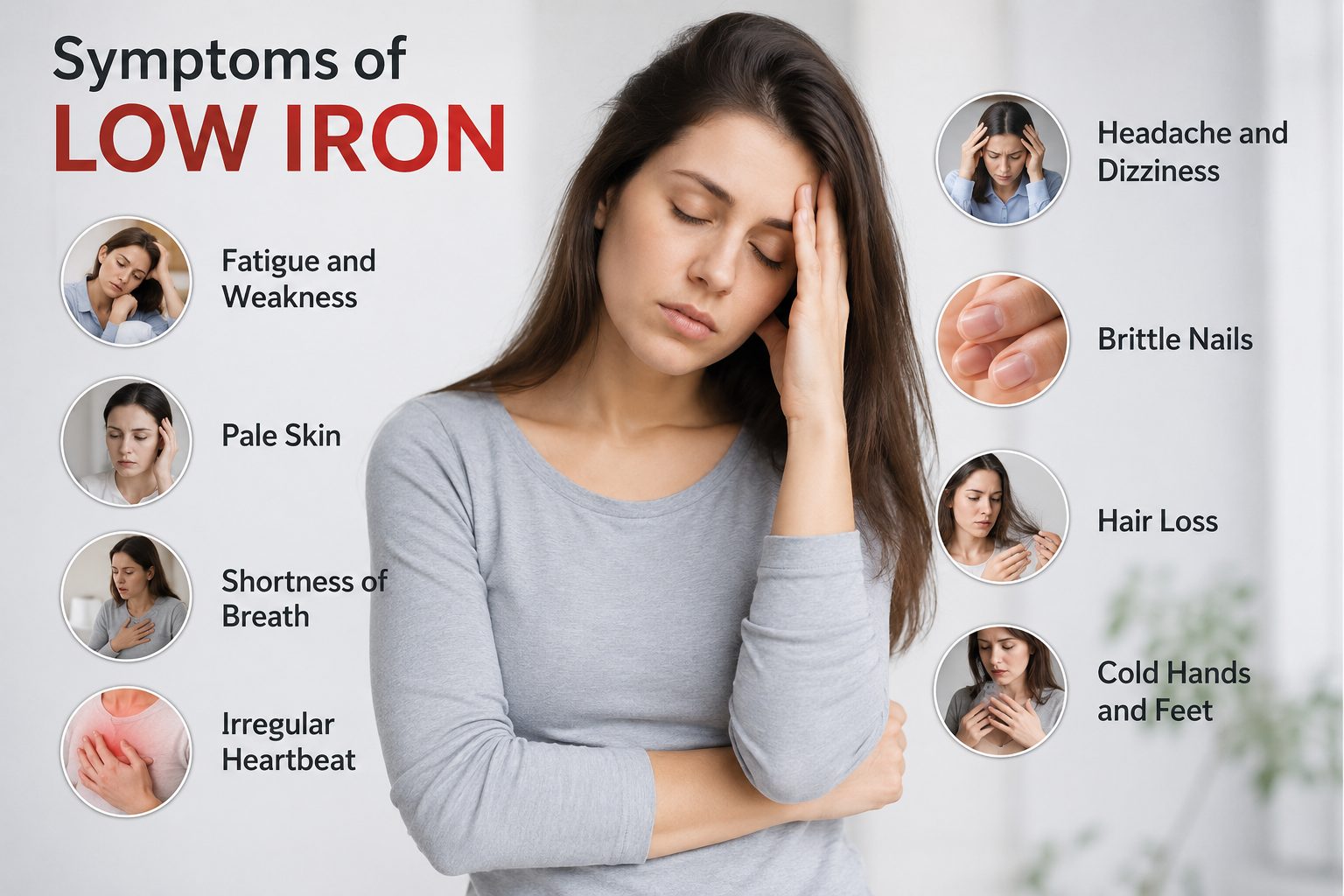
Low iron can cause fatigue, shortness of breath, dizziness, brain fog, headaches, hair thinning, and low energy. At Nottinghill Family Wellness Centre, Katherine Kirner and her medical team provide professional iron infusion therapy in Oakville for patients with low iron levels, iron deficiency, and iron deficiency anemia. Get your blood work for low Iron and see if the data shows your the right fit for Iron IV therapy.
Most patients suffering from symptoms of low iron and a ferritin level of under 80 ug/L are eligible for an iron infusion at our private iron IV Iron clinic.
If oral iron supplements are not helping or causing stomach irritation, IV iron infusion therapy may help restore iron levels more effectively and improve energy, recovery, and overall wellbeing.
Iron Infusions Oakville Explained: Signs, Symptoms, Bloodwork, and What to Expect.
Feeling constantly tired, dizzy, short of breath, or mentally foggy can affect every part of daily life. Iron is needed to make hemoglobin, the protein in red blood cells that carries oxygen through the body, and it also supports muscle function.
When iron stores are low, people can feel weak, lightheaded, cold, or have trouble concentrating, and some people develop symptoms even before anemia becomes more severe.
Iron tablets help some people, but they do not work for everyone. If oral iron causes stomach side effects, is not absorbed well, or your body is losing iron faster than tablets can replace it, an iron infusion may be the next step.
IV iron delivers iron directly into the bloodstream and can restore iron stores more quickly when it is clinically appropriate.
An iron infusion delivers iron directly into a vein through an IV at our Oakville clinic. It is another form of intravenous iron supplementation.
Nottingihill Family Wellness does not perform Iron IV treatment on pregnants females or patients under 18 years of age.
Iron Infusion Cost In Oakville
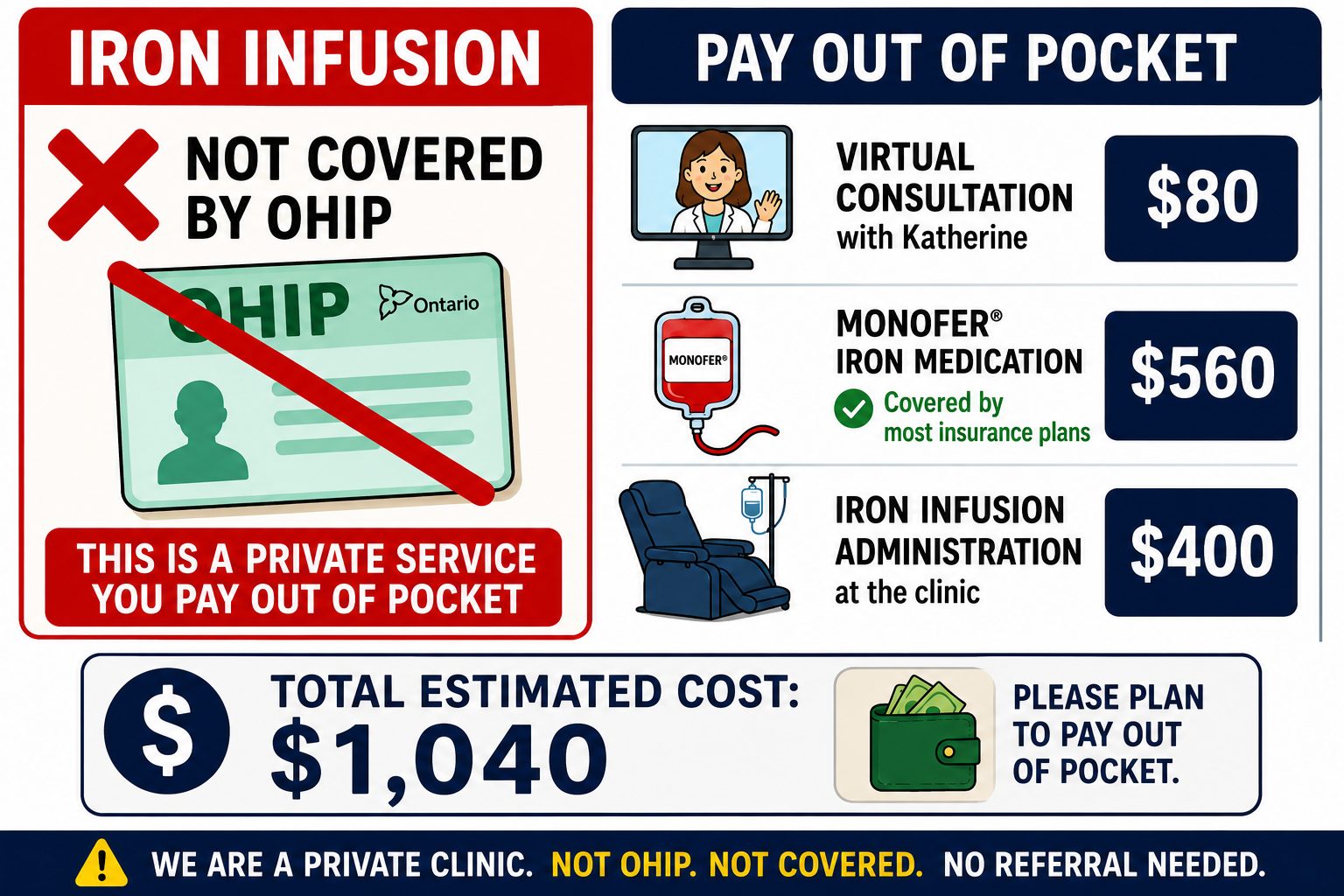
• Virtual Consultation with Katherine: $80 + HST
• Monofer® Iron Medication: $580 + HST
• Iron Infusion Administration: $400 + HST
Total Estimated Cost: $1,060 + HST
Please note: Iron infusions provided at Nottinghill Family Wellness Centre are private-pay services and are not covered by OHIP.
Some private insurance plans may cover a portion of the Monofer® medication cost. Patients should contact their insurance provider directly to verify coverage.
What Causes Low Iron and Why You Need Iron Infusion Oakville
Signs You May Need IV Iron or Have Low Iron
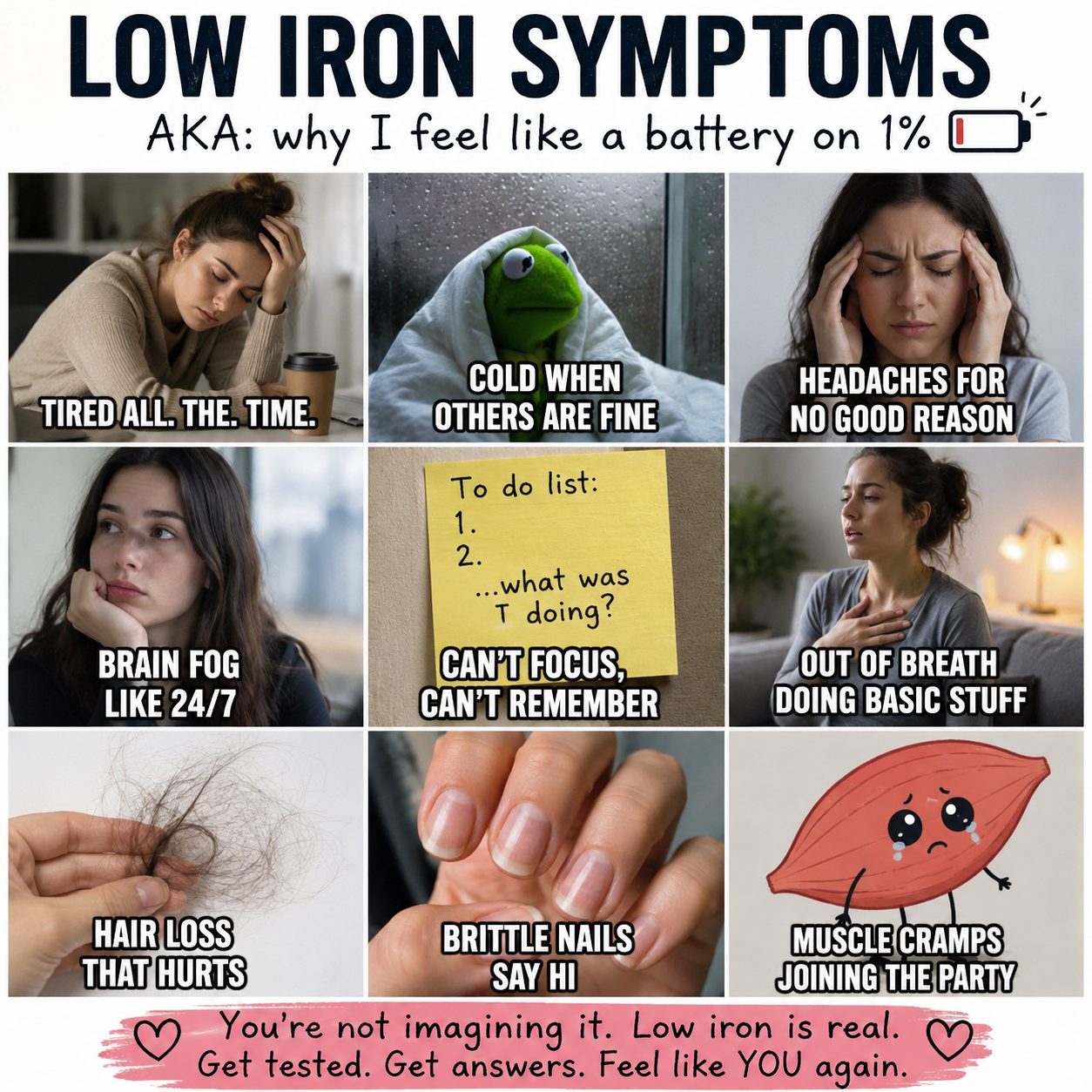
Low iron symptoms often build gradually and can be easy to dismiss as stress, poor sleep, or a busy lifestyle. Common symptoms can include:
- constant tiredness or low energy
- brain fog or trouble concentrating
- shortness of breath
- dizziness or lightheadedness
- headaches
- pale skin
- reduced exercise tolerance or weakness with activity
- hair thinning or hair loss
- brittle nails
- restless legs, especially at night
- feeling cold more often than usual
- a fast heartbeat or palpitations
Common reasons people become iron deficient include heavy menstrual bleeding, pregnancy, athletes, digestive conditions that affect absorption, dietary insufficiency, regular blood donation, and other sources of chronic blood loss. Patients want to manage their iron levels before anemia even occurs!
Why Iron Pills Do Not Work for Everyone
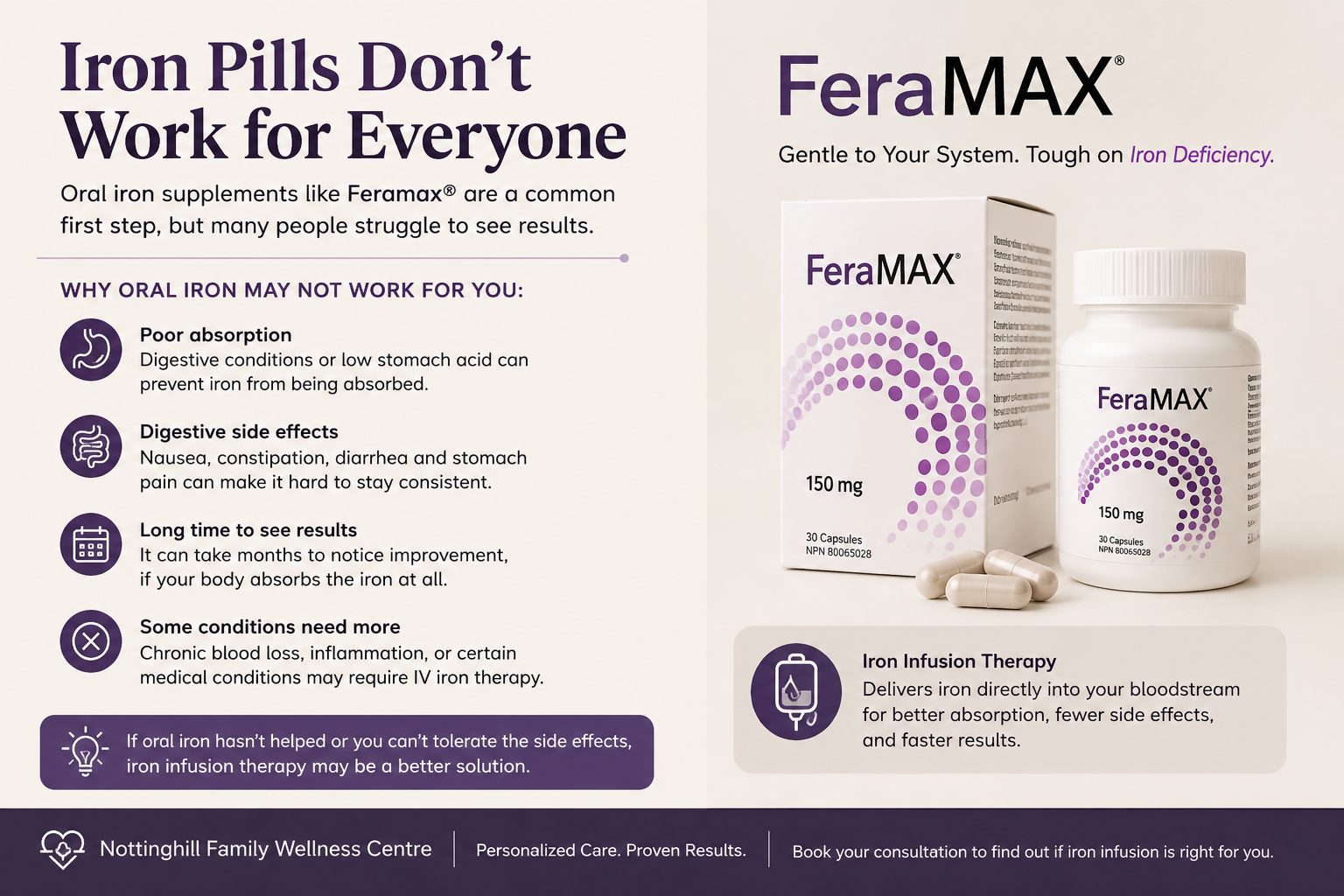
Oral iron is usually the first line of treatment, but many people find it difficult to continue. Common side effects include nausea, stomach pain, bloating, constipation, and diarrhea.
Oral iron can also be less effective when a person has poor absorption, ongoing blood loss, or needs iron replaced more quickly because symptoms are significant or a procedure is coming up.
In general, oral iron works more slowly than IV iron. Blood counts may start to improve after a couple of months of therapy, but iron stores often take longer to fully rebuild, which is one reason some people are better served by infusion treatment.
Bloodwork Before an Iron Infusion In Oakville
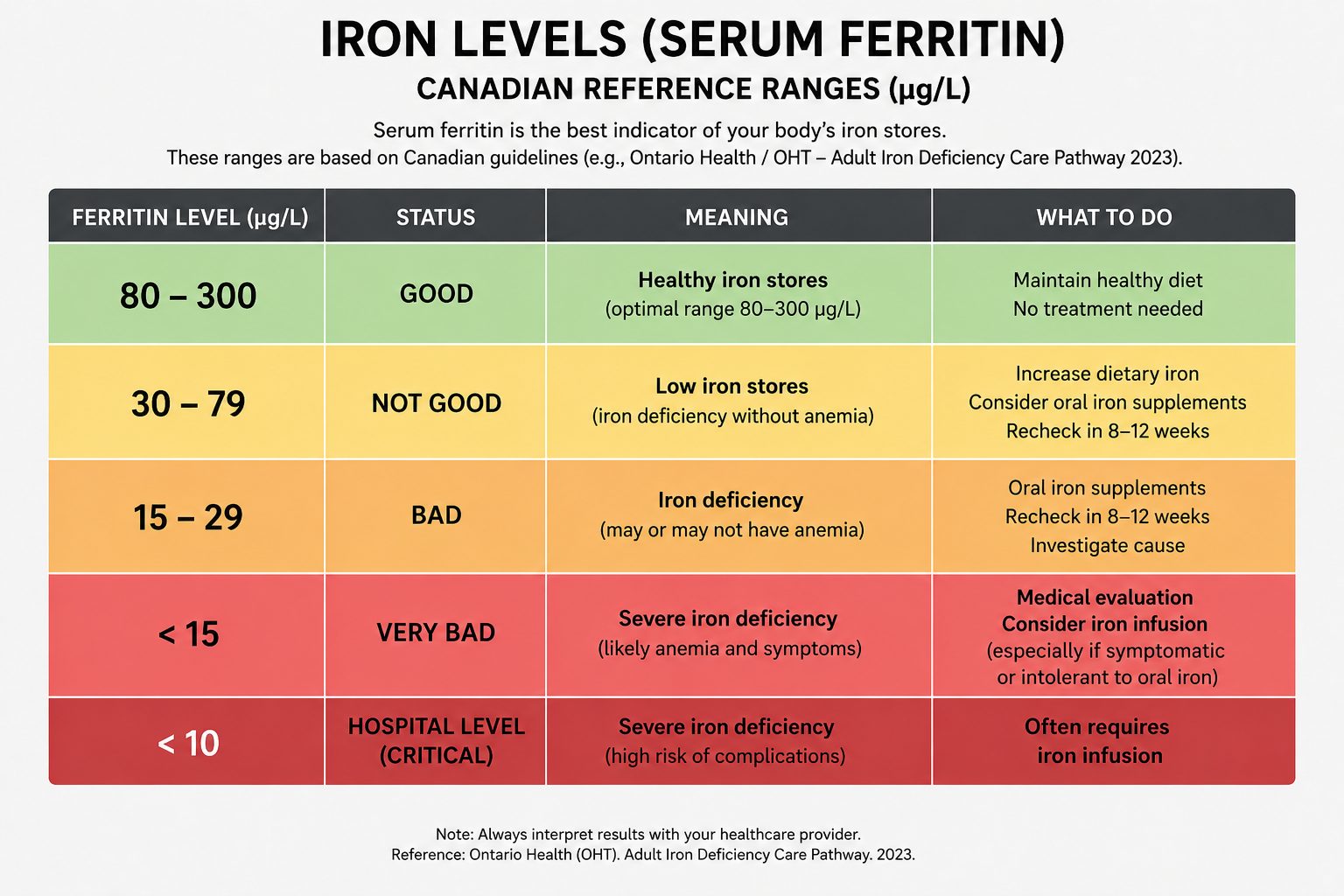
Before recommending IV iron, Katherine will confirm that iron deficiency is present. In otherwise well adults, the most important initial tests are usually ferritin and a complete blood count.
Ferritin helps estimate iron stores, and the CBC, including hemoglobin, helps show whether the deficiency is affecting red blood cells and how severe the anemia is.
Depending on the clinical picture, iron studies such as serum iron and transferrin saturation may also be useful, especially when inflammation or chronic disease can make ferritin harder to interpret. In some cases, vitamin B12 or folate may also be checked if another or mixed cause of anemia is possible.
Not every patient needs the same infusion plan. Some iron products are given as one dose, while others require more than one infusion over several weeks.
Katherine calculates the dose based on the patient’s situation and clinical picture. This is why bloodwork review and clinician assessment matter before booking.
What Happens on Iron Infusion Day At Our Oakville Low Iron Treatment Clinic
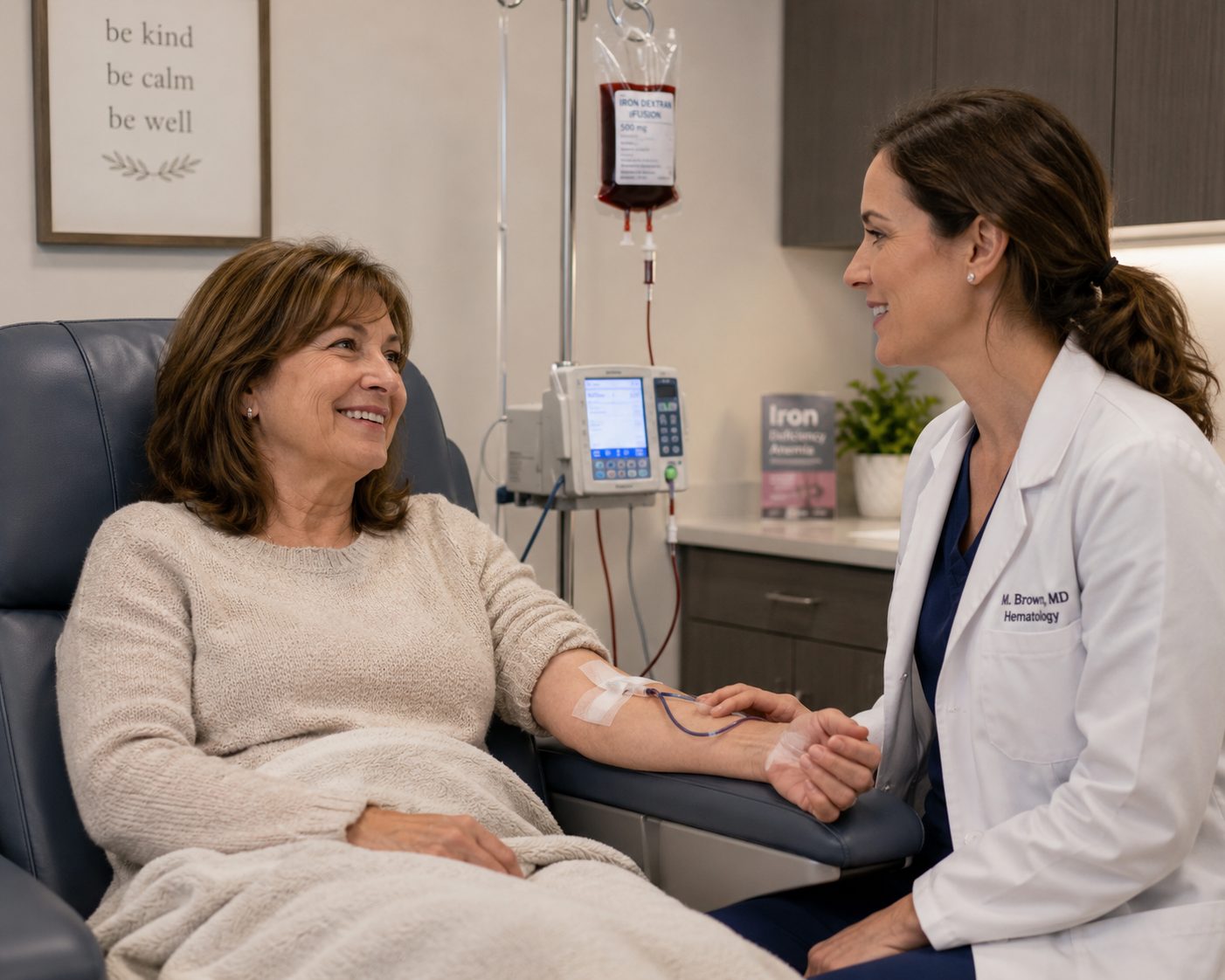
Most iron infusion appointments are straightforward. Katherine our trained healthcare professional places a small IV into a vein in your arm, starts the infusion, and monitors you during treatment and afterward for any reaction.
Monitoring is important because IV iron can rarely cause hypersensitivity reactions or a drop in blood pressure.
The exact timing depends on the product being used. Some formulations are given over about 30 to 60 minutes, while others may take closer to 2 hours.
After the infusion, observation is typically continued for about 30 minutes, so the total appointment can be longer than the infusion itself. Many patients spend the time reading, listening to music, working on their phone, or simply relaxing in the chair.
Patients are monitored during and after the infusion. Monitoring is part of the normal safety process because infusion reactions can occur.
Most people can return to normal activities the same day if they are feeling well. If you normally take oral iron, your provider may ask you not to take it on the day of the infusion and will tell you when to restart it, if needed.
Oakville Iron Infusion Process — What To Expect
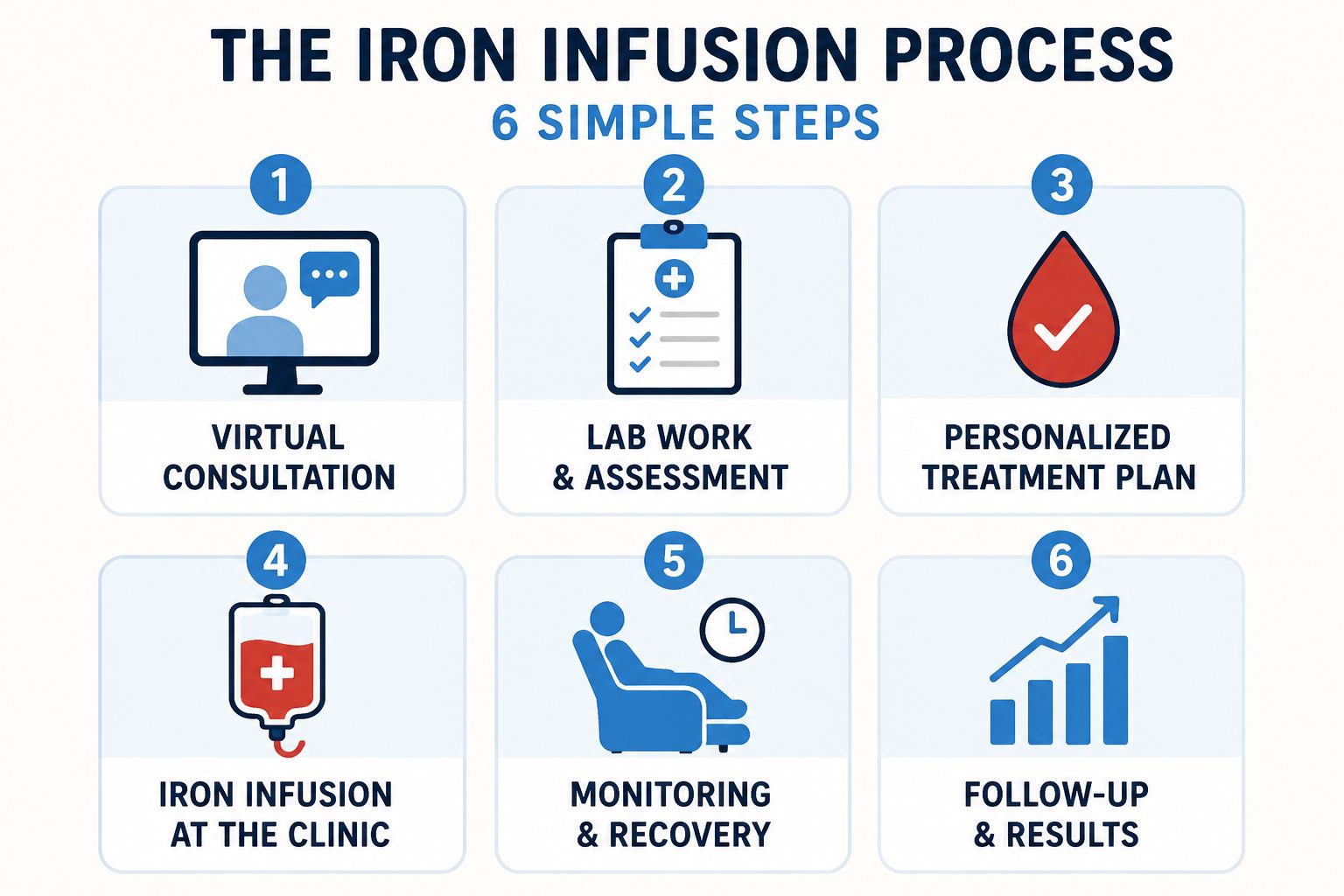
STEP 1 — GET YOUR IRON LEVELS CHECKED
Making sure the following have been checked:
• Ferritin
• Hemoglobin
• CBC (Complete Blood Count)
• Iron saturation / iron studies
STEP 2 — BOOK YOUR IRON CONSULTATION
This would be a phone consultation with Katherine.
During this appointment she may review:
- Ferritin levels/Iron saturation
- CBC / hemoglobin
- Symptoms and medical history
- Pros and Cons
- The process of an iron infusion
- What to expect after
- Review eligibility

STEP 3 — SCHEDULE YOUR IRON INFUSION APPOINTMENT
Once approved, Katherine will book an iron infusion appointment will be booked.
Before your appointment:
• Eat a light meal
• Drink plenty of water
• Wear comfortable clothing
STEP 4 — ARRIVE AT THE CLINIC
When you arrive:
• Your vitals may be checked
• The infusion process will be explained again
• You will be seated comfortably during treatment
• Any questions can be answered
Most patients relax, read, scroll their phone, or listen to music during the infusion.
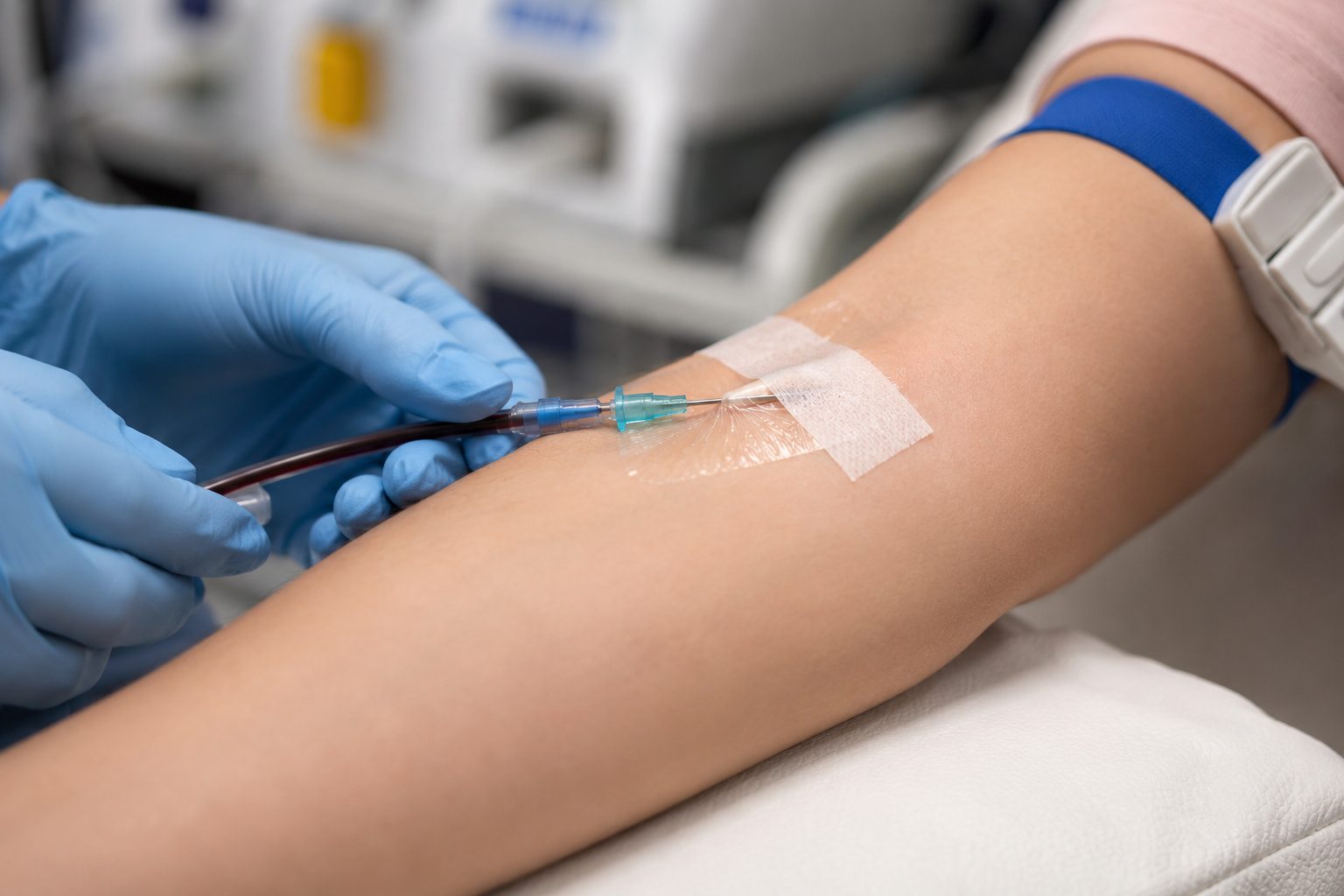
STEP 5 — THE IRON INFUSION BEGINS
The iron is delivered directly into the bloodstream through the IV line.
• Treatment may take approximately 30–60 minutes
• Patients are monitored throughout the infusion
• Staff watch for any side effects or reactions
Many patients tolerate iron infusions very well.
STEP 6 — AFTER YOUR IV IRON INFUSION
After treatment:
• The IV is removed
• You may rest briefly before leaving
• Most patients can return to normal daily activity afterward
Some patients notice improvements in:
• Energy levels
• Exercise tolerance
• Brain fog
• Shortness of breath
• Hair shedding
over the following days or weeks.
Follow-Up After an Iron Infusion at Our Oakville Clinic
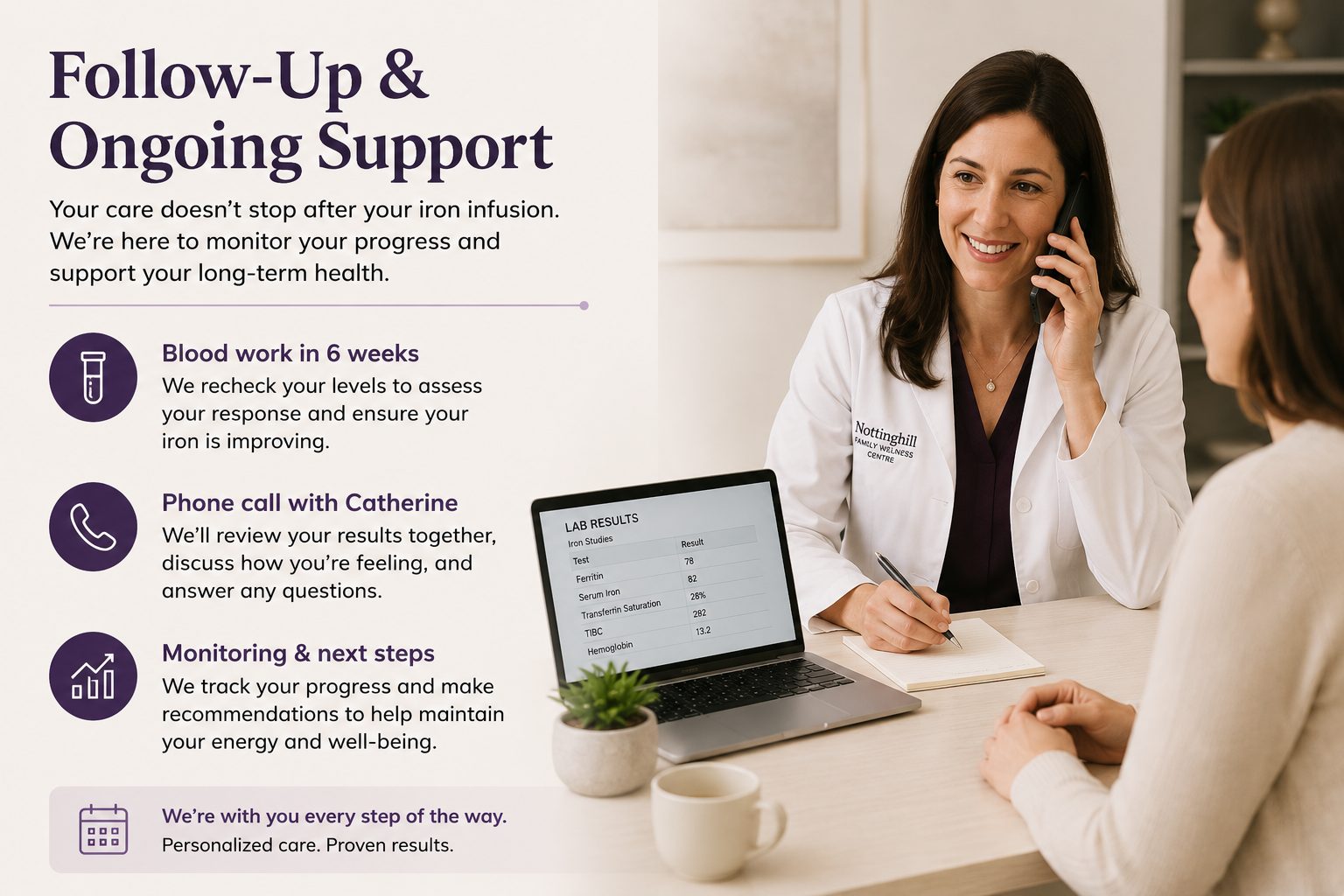
Some people notice improvement in energy quite quickly, while for others it happens more gradually over several weeks. Follow-up bloodwork is important to confirm that treatment worked and to see whether iron stores are improving.
In most patients, response is assessed with repeat CBC and ferritin testing, but ferritin should generally not be rechecked too early after an infusion because IV iron can temporarily make the value look misleadingly high. Katherine recommends 6 weeks after initial iron transfusion for most patients.
If heavy periods, gastrointestinal blood loss, or another ongoing cause of deficiency is still present, further monitoring may be needed over time. Treating the iron deficiency matters, but finding the reason for the iron loss matters too.
Most side effects are temporary and mild, but possible reactions can include headache, nausea, dizziness, rash, joint or muscle pain, GI symptoms, low blood pressure, or breathing-related symptoms.
Although reactions are uncommon, Katherine recommends having Tylenol, Advil, or Benadryl available to help manage mild symptoms if they occur.
True anaphylaxis is very rare, but clinics still need to be prepared for reactions. The AGA notes that most observed reactions are infusion reactions rather than true anaphylaxis.
When to Speak With a Healthcare Provider About Low Iron

If fatigue, dizziness, shortness of breath, reduced exercise tolerance, trouble concentrating, or restless legs are affecting your quality of life, it is worth asking about iron testing. Effective treatment is available, but the right treatment depends on your bloodwork, your symptoms, and the reason your iron stores are low. If you have any of these symptoms talk to your doctor about getting your ferritin levels checked!
If you think low iron may be affecting you, book an assessment to review your symptoms, bloodwork, and whether oral iron or IV iron is the right next step for you.
Who Does The Low Iron Treatment In Oakville
Katherine Kirner is a highly respected Nurse Practitioner with over 15 years of experience in internal medicine, aesthetic medicine, and regenerative therapies. With advanced nursing degrees and a specialization in Internal Medicine, she combines evidence-based care with cutting-edge approaches to beauty, wellness, and longevity.
As Medical Director for multiple clinics across Ontario, Katherine is recognized as a leader in aesthetic and regenerative medicine, working with high-profile clients including elite athletes and celebrities. Her expertise spans anti-aging, aesthetic optimization, and regenerative biologics, blending pharmaceutical precision with innovative longevity-focused treatments.
How to prevent Iron Deficiency
Iron deficiency is one of the most common nutritional deficiencies, especially in women, pregnant patients, athletes, and individuals with digestive or absorption issues. While some patients may require iron infusions, prevention and early management are still very important.
One of the best ways to help prevent iron deficiency is through diet. Iron-rich foods include red meat, chicken, fish, eggs, spinach, lentils, beans, pumpkin seeds, and iron-fortified cereals. Iron from animal sources is generally absorbed more efficiently than plant-based iron.
Vitamin C may help improve iron absorption. Pairing iron-rich foods with oranges, strawberries, bell peppers, or broccoli may help your body absorb more iron. Coffee, tea, calcium supplements, and dairy products may reduce iron absorption when consumed at the same time as iron-rich meals or supplements.
Pregnant women, women with heavy menstrual cycles, vegetarians, and people with gastrointestinal conditions may be at higher risk for iron deficiency. Common symptoms may include fatigue, dizziness, headaches, hair thinning, shortness of breath, and brain fog.
Blood work including ferritin, hemoglobin, and iron studies may help determine if iron deficiency is present. Early monitoring and treatment may help improve energy levels, overall health, and wellbeing.
Planning A Pregnancy? Iron Levels May Matter More Than You Think
Many women focus on hormones, ovulation, and prenatal vitamins when trying to conceive, but iron levels are often overlooked.
Iron plays an important role in overall health, energy production, oxygen transport, and normal reproductive function. Research has shown that low iron stores may be associated with fatigue, reduced exercise tolerance, irregular cycles, and, in some cases, challenges with fertility.
If you have been told your ferritin levels are low, correcting an iron deficiency may be an important step in optimizing your health before pregnancy.
It is important to understand that iron infusions are not a fertility treatment and are not intended to treat infertility. However, ensuring adequate iron levels may help support overall health and wellness during the pre-conception period.
If you are experiencing symptoms of low iron, have low ferritin levels on bloodwork, or are planning a pregnancy and would like your iron status reviewed, our team can help determine whether an iron infusion may be appropriate for you.
Medically reviewed by Katherine Kirner, NP
Katherine Kirner is a Nurse Practitioner with more than 15 years of clinical and leadership experience in internal medicine, aesthetic medicine, and regenerative therapies. She became a Nurse Practitioner in 2017 with specialization in Internal Medicine and serves as Medical Director for multiple clinics in Ontario.
Iron Infusion and Low Iron Treatment Oakville FAQS
Content Reviewed By: Dr. Steve Knighton, B.Sc., D.C. on September 1, 2026
Chiropractic License Number: 5580