Hip Pain Exercises and Stretches for Relief (Free PDF)
Download the full hip pain exercise PDF (free)
Relieve hip pain at home with simple, evidence-based exercises and stretches designed to improve mobility, reduce stiffness, and restore proper movement. Whether your pain is caused by sitting too much, muscle tightness, or joint irritation, the right combination of stretching and strengthening can make a measurable difference.
Our Oakville Chiropractic clinic has been treating hip pain and hip-related injuries for over 18 years.
This guide includes step-by-step instructions, clinical insights, and a free downloadable PDF used in practice to help patients improve faster and stay pain-free. Get fast relief from hip pain with evidence-based care designed to reduce discomfort and restore movement quickly. Follow a structured program from qualified healthcare professionals, including a downloadable guide to support your recovery and optimize results at home.

Our Oakville Chiropractic clinic has been treating hip pain or hip related injuries for over 18 years. Everyday it seems like Dr. Steve is getting a new hip injury at the clinic. From osteoarthritis and rheumatoid arthritis to tight hip flexors and greater trochanteric bursitis Dr. Steve treats it all.
What helps most
Hip flexor, glute, and rotation exercises combined with mobility work
When to use them
Best for stiffness, mild to moderate pain, and sitting-related tightness
When not to rely on exercises alone
Sharp pain, worsening symptoms, or pain that doesn’t improve
How long to see results
Most people notice improvement within 1–3 weeks with consistency
Free Hip Pain Exercise PDF (Download)
Download a printable hip pain exercise program used in clinical practice. This PDF includes the most effective stretches and strengthening exercises to reduce pain, improve mobility, and support long-term recovery.
Use this guide daily or as recommended to build consistency and track progress.
DOWNLOAD THE FREE HIP STRETCHES PDF
Why Hip Pain Happens
Hip pain is rarely just a “tight muscle” issue. In most cases, it involves a combination of mobility restrictions, muscle imbalances, and joint mechanics.
Common contributing factors include:
Prolonged sitting leading to tight hip flexors
Weak glute muscles reducing hip stability
Poor movement patterns during walking or exercise
Reduced joint mobility in the hip or lower spine
Compensation from previous injuries
Because the hip connects the upper and lower body, dysfunction here often affects surrounding areas.
Why Hip Tightness Causes Back and Knee Pain
Limited hip mobility doesn’t just stay in the hip. It shifts stress to other areas of the body.
When the hips don’t move properly:
The lower back takes on more load during bending and lifting
The knees absorb more force during walking and stairs
Movement becomes less efficient, increasing strain on muscles and joints
This is why many people with hip tightness also experience:
Low back pain
Knee pain
Sciatica-like symptoms
Improving hip function often reduces symptoms in these areas as well.
How to Get Rid of Hip Pain
Getting rid of hip pain requires a structured, evidence-based approach that targets both symptoms and the underlying cause. The first step is to reduce tightness through targeted mobility work and soft tissue techniques, helping restore normal joint motion and decrease strain.
Next, building strength in key areas such as the glutes and core improves stability and reduces overload on the hip joint. Correcting movement patterns is equally important, as poor biomechanics during walking, sitting, or exercise can continue to drive irritation. Finally, addressing the root cause—whether muscular, joint-related, or nerve-driven—ensures long-term results.
A comprehensive plan guided by qualified healthcare professionals and supported by a consistent home program leads to faster recovery, improved function, and reduced risk of recurrence.
Best Hip Pain Stretches for Relief
These stretches focus on improving flexibility and reducing tension in the muscles surrounding the hip.
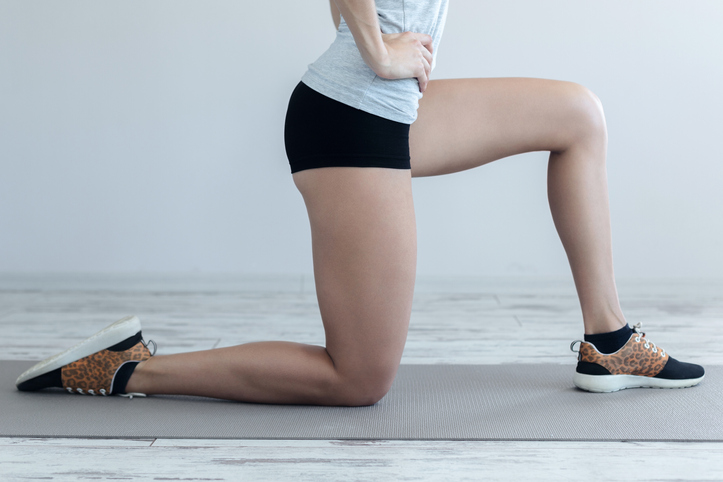
Hip flexor stretch
Targets the front of the hip, especially important for people who sit for long periods
Piriformis stretch
Helps relieve deep glute tension and can reduce nerve-related symptoms
Figure-4 stretch
Improves external rotation and reduces stiffness in the posterior hip
Adductor stretch
Targets the inner thigh and improves side-to-side hip mobility
Hamstring stretch
Supports hip movement by improving flexibility in the back of the leg
Perform each stretch slowly, holding for 20–30 seconds and repeating 2–3 times per side.
Best Hip Strengthening Exercises
Stretching alone is not enough. Strength is what keeps the hip stable and prevents pain from returning.
Glute bridges
Strengthen the posterior chain and improve hip extension
Clamshells
Target the glute medius for improved lateral stability
Side-lying leg raises
Help control hip alignment during walking
Hip thrusts
Build strength and power through the hips
Step-ups
Improve functional strength and control
Aim to perform strengthening exercises 3–4 times per week for best results.
How to Get Rid of Hip Pain
Most people improve when they address both mobility and strength.
Key steps include:
Restoring flexibility in tight muscles
Strengthening weak or underactive muscles
Improving movement patterns
Avoiding positions that aggravate symptoms
Gradually returning to normal activity
Consistency is more important than intensity. Small improvements over time lead to long-term results.
When Stretching Isn’t Enough
If your hip pain is not improving with exercises, there may be an underlying issue that requires more targeted care.
Signs that exercises alone may not be enough:
Pain that keeps returning
Pain with walking, standing, or weight-bearing
Sharp or catching sensations in the hip
Pain radiating down the leg
Limited improvement after several weeks
In these cases, a more detailed assessment is often needed to identify the root cause.
Red Flags for Hip Pain
While most hip pain is mechanical, certain symptoms require medical attention.
Seek further evaluation if you experience:
Severe or worsening pain without clear cause
Pain with fever, chills, or unexplained weight loss
Inability to bear weight on the hip
Pain that does not change with movement or position
History of trauma such as a fall or accident
These symptoms may indicate a more serious condition that requires medical investigation.
What is Hip Pain?
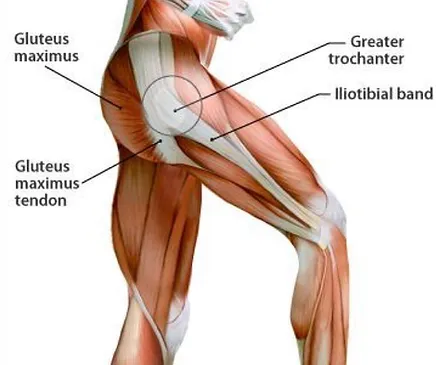
Hip pain refers to discomfort felt in or around the hip joint, but it can also extend into the lower back, groin, buttock, or upper thigh depending on the underlying cause. It may present as stiffness, aching, sharp pain, or even nerve-related symptoms such as tingling.
For many people, hip pain develops gradually due to muscle tightness, reduced mobility, or poor movement patterns. It is commonly worse after prolonged sitting, first thing in the morning, or during activities such as walking, climbing stairs, or getting out of a chair. That “stiff first step” feeling is often linked to tight hip flexors and surrounding muscles, which connect the legs, pelvis, and lower spine.
Hip pain does not always stay in one location. Because the hip plays a central role in movement, symptoms can be felt in the front (hip flexors/groin), side (gluteal muscles), or back (posterior hip and lower back). In some cases, irritation of nearby nerves can cause pain to travel further down the leg.
Understanding where your pain is felt and how it behaves is key to choosing the right exercises and treatment approach.
How We Treat Hip Pain in Oakville
Hip pain can be caused by many reasons but it is most likely caused by sitting at your desk for long periods of time. This prolonged seated position causes your hip flexors or psoas muscle to become tight and stiff leading to the pain you may be feeling. This could also be due to a chronic hip injury or a short term strain that just isn’t going away. In some patients their hip pain is coming from their SI Joint.
At our Oakville clinic, hip pain is assessed using a comprehensive, evidence-based approach that looks at mobility, strength, and movement patterns.
Treatment for may include:
Hands-on therapy to restore joint and muscle function
Shockwave therapy to accelerate tissue healing
Targeted exercise programs based on your condition
Movement correction to prevent recurrence
Patients receive personalized treatment plans designed to deliver measurable results and long-term improvement.
Inferential Current (IFC) Therapy:
 IFC is an electric stimulation device that suctions onto your body. They activate and deactivate your muscles which may cause your muscles to shift or “jump”, but apart from the constant buzzing it increases blood flow to the area promoting healing. Dr. Steve uses IFC combined with moist heat to prep the area for shockwave treatment.
Shockwave Therapy:
Shockwave is an air powered “gun” that breaks apart scar tissue and muscle swelling. This part of treatment may be a little more painful but only lasts 2-3 minutes, and is worth ever second. Patients tend to love the pain because it gets deeper than any massage and breaks apart tight and painful areas, allowing you immediately looser and have improved hip range of motion.
Instrument Assisted Soft Tissue Release:
 Dr. Steve calls this scraping in our clinic. Scraping is done by one of the many tools we have where Our Chiropractors will “scrape” the affected areas to help breakdown scar tissue and inflammation, which will promote further healing and range of motion. This treatment may not feel the best, but like the Shockwave it is also immediate satisfaction. Dr. Steve will always recommend you ice the area after a scraping session!
Spinal manipulation:
Also commonly known as an adjustment, this form of treatment causes your joints to release (making that crack or popping noise). This form of release with help relax your muscles surrounding the joint and reduce pressure, helping to alleviate pain and tightness. In almost all hip flexor treatment Dr. Steve will adjust the patients low back. The hip muscles attach to the front portion of your low back and pelvis and can be the root cause of pain and things like an SI joint dysfunction.
Get Instant Access to Hip Exercises
Best Stretches for Hip Pain
Frequently Asked Questions About Hip Pain Exercises
Can hip pain go away with exercises alone
Yes, many cases of hip pain improve with the right combination of stretching and strengthening exercises. Consistency is key, and most people begin to notice improvements within a few weeks.
How often should I do hip stretches
Hip stretches can be done daily, especially for tight muscles caused by sitting or inactivity. Strengthening exercises are typically performed 3–4 times per week.
What is the fastest way to relieve hip pain
The fastest way to relieve hip pain is to combine gentle stretching, targeted strengthening, and avoiding positions that aggravate symptoms. Heat, movement, and gradual activity often help more than complete rest.
Should I stretch if my hip pain is sharp
No. Sharp or worsening pain may indicate a more serious issue. In these cases, stretching may aggravate the condition and a proper assessment is recommended.
How long does hip pain take to improve
Most mild to moderate hip pain improves within 1–3 weeks with consistent exercise. Persistent or worsening pain may require a more targeted treatment approach.
What causes hip pain to come back
Recurring hip pain is often due to underlying muscle imbalances, poor movement patterns, or incomplete rehabilitation. Strength and control are just as important as flexibility.
Are you experiencing hip pain or discomfort ? If you would like to seek professional help please contact our chiropractic clinic directly at 905-827-4197
Are you looking for Oakville Physiotherapy for your hip pain? Check out Vinaya our Physiotherapist and book today!
Learn more about how our Oakville Chiropractic Team can help you with your hip pain and treatment for psoas injuries and Anterior Pelvic Tilt.