Content Reviewed By: Dr. Steve Knighton, B.Sc., D.C. on September 19, 2026
Chiropractic License Number: 5580

Running Pain Treatment Oakville

Shin Splints – Achilles Tendinopathy – Patellofemoral Pain Syndrome

Since Covid our clinic in Oakville has been treating more runners with more aches and pains. From ITB issues to Shin Splints and Achilles Tendinopathies we have treated it all. More people have been hitting the trails and streets to run and get the blood pumping, and with that our Oakville chiropractors and physiotherapists have seen an influx in running injuries.

The list of running related injuries is long and complicated. If you are suffering from any of the below conditions, follow the link to the specific treatment pages. If you are suffering from Shin Splints, Achilles Tendinopathy or Patellofemoral Pain Syndrome continue reading below.

When pain starts limiting your distance, pace or consistency, bring your recent training history and footwear to the assessment. Our sports chiropractors in Oakville look at the injury alongside changes in workload and help you plan the next steps toward running comfortably.

Book an appointment


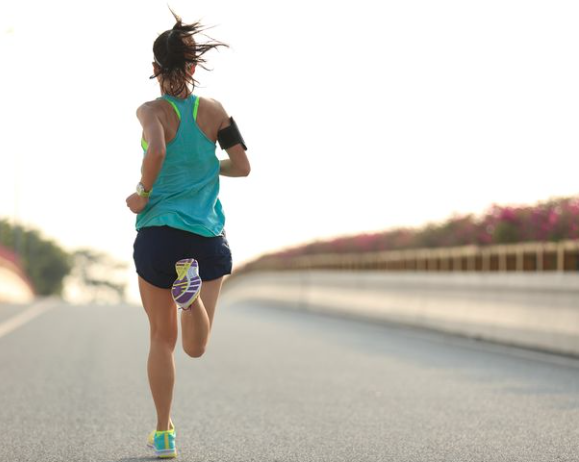
female running on a road into the sunset,


Most Common Runners Injuries:

1. Achilles Tendinopathy:

The Achilles in a big tendon that connects your calf muscles into your heel. When the calf muscles are put under too much stress, the tendon can become irritated. This irritation can cause pain and inflammation, and make the back of the heel during walking and/or running very painful. If you’re a new runner, have recently increased your distance, or started running hills, be on the lookout for this condition!

Our chiropractic treatment approach to Achilles tendinitis closely mirrors plantar fasciitis treatment, incorporating IFC, heat, shockwave therapy, instrument-assisted soft tissue work, shoe recommendations, and ice. Watch the video below for additional treatment insights.

4 Steps to Achilles Tendinitis Treatment:

Our approach to Achilles tendinitis closely mirrors plantar fasciitis treatment, incorporating IFC, heat, shockwave therapy, instrument-assisted soft tissue work, shoe recommendations, and ice. Watch the video below for additional treatment insights.

  1. Interferential Current Therapy (IFC) & Heat – Applied to the calf to improve circulation, loosen tissue, and reduce pain.
  2. Shockwave Therapy – A high-frequency, air-powered device targets the injured area, penetrating deep to accelerate healing—considered the gold standard for tendinitis treatment.
  3. Instrument-Assisted Soft Tissue Therapy (“Scraping”) – A metal tool is used to break up adhesion’s and scar tissue in the Achilles and calf.
  4. Active Release & Trigger Point Therapy – Our specialists use hands-on techniques to relieve knots and tightness in the calves and Achilles tendon.

Patient receiving IFC treatment for Achilles

2. Shin Splints:


Shin splints or “front shin pain” is usually a result from over training, poor footwear or bad biomechanics of the legs/foot or hips. The pain is located on the inside of the front part of the lower leg. Dr. Steve and our Oakville physiotherapy team recommends shin splint injury patients to seek treatment as soon as they notice symptoms as the injury could lead to an avulsion fracture pulling a piece of bone by the affected Tibialis Anterior muscle.

4 Steps to Shin Splint Treatment:

    1. Interferential Current Therapy (IFC) & Heat – Applied to front of the lower leg and shin to improve circulation, loosen tissue, and reduce pain.
    2. Shockwave Therapy – A high-frequency, air-powered device targets the injured area, penetrating deep to accelerate healing—considered the gold standard for treatment of shin splints.
    3. Instrument-Assisted Soft Tissue Therapy (“Scraping”) – A metal tool is used to break up adhesion’s and scar tissue in the Tibialis Anterio/Posterior and Soleus.
    4. Active Release & Trigger Point Therapy – Our specialists use hands-on techniques to relieve knots and tightness in the front of the lower leg inlcuding the Tibialis Anterior, Soleus and Flexor Digitorum Longus..

Book an appointment

Severe shin splints can lead to Anterior Compartment Syndrome, which can be a life and death situation and unfortunately cannot be treated at our clinic. If this is the case and you present with anterior compartment syndrome, we send you to OTMH right away.

A picture showing marks on leg with marker, to show the areas effected by Shin Splint

What is the Best Treatment for Shin Splints Oakville?

Treatment for shin splints at our Oakville clinic involves a combination of treatments. Most patients will receive 10 – 15 minutes of Suction IFC on the affected leg. After that, Shockwave Therapy will be performed on the area of pain. ART and Instrument Assisted Soft Tissue will also be performed on the injured area. If you have ever had Dr. Steve’s “scraping” you know this is relatively painful, buts Dr. Steve is conscience of his patients pain tolerance.

Runners dealing with shin splints, Achilles pain, ankle injuries, knee pain or other training-related problems can learn more about our sports physio in Oakville with Vinaya and our physiotherapy team.

Book an Appointment

What Our Patients Are saying

  • Such amazing customer service and they made me feel good as new

    yuveshin moodley Avatar yuveshin moodley
    May 22, 2026

    One of the best choices I've made! Dr. Steve and his team are extremely warm and friendly, provide great care, and the service is great! I came here to fix my bunions, and I can already feel an improvement after a few sessions.

    Elizabeth So Avatar Elizabeth So
    September 7, 2024

    Dr. Steve & his team were amazing. Helped me with my back pain, always had great appointment times available and got me in and out in a timely manner. I would highly recommend for your chiropractic needs.

    Nicole Romkema Avatar Nicole Romkema
    September 7, 2024
  • I’ve been to Dr Steve more than once over past several years. I had severe sciatica pain stemming from lower back to right hip to all the way down to right tows. He has magical hands. His sessions healed the issue completely and now I am able to play... read more

    C C Avatar C C
    September 7, 2024

    The entire office staff is welcoming and kind, and everything is always quick and efficient. Dr. Steve is very friendly and knowledgeable. He was able to pinpoint my issue right away and explain everything clearly. I felt immensely better after just my first appointment. I would highly recommend Nottinghill Family... read more

    Lisa Avatar Lisa
    August 6, 2026

    Dr Steve and team deserve 50 stars - what an amazing experience! From the moment my son arrived and we met the friendly and organized front office to the bold and welcoming intros with Dr Steve, followed by his assessment of the TOS condition, we were confident we were in... read more

    Sonia Scrocco Avatar Sonia Scrocco
    February 13, 2025
  • Great clinic. Pain free after few visits.

    Mario M Avatar Mario M
    February 6, 2025

    I’ve had nothing short of wonderful visits at this chiropractor! The front desk receptionists are always wonderful, the workers are very nice and helpful and Dr. Steve is always a pleasure to be around. We bonded immediately over our music taste but also his skills as a chiropractor are amazing... read more

    Dylan Machado Avatar Dylan Machado
    April 2, 2026

    Love Dr. Steve and the staff. Everyone is great and helpful and efficient and you don’t feel rushed or just a number. They take time to listen to you. Laura (the one with the kind eyes) is just the best. She explains the machines really well and is easy to... read more

    Kiran Chauhan Avatar Kiran Chauhan
    July 7, 2024

3. Patellofemoral Pain Syndrome

Patellofemoral Pain Syndrome, this condition accounts for the majority of knee pain in runners. It is caused by an imbalance in the knee that causes the patella to track through its groove improperly. This created an irritation of the cartilage behind the kneecap and can cause pain. There are a number of biomechanical factors that contribute to this condition including over pronation of the feet/ankles, weakness of the medial (inside) knee muscles and weak glutes. Think your knee pain is coming from over pronation, get in today and see if some custom foot orthotics will get you back pumping out the miles!

4 Steps to Patellofemoral Pain Syndrome Treatment:

  1. Interferential Current Therapy (IFC) & Heat – Applied to front of the knee and quad to improve circulation, loosen tissue, and reduce pain.
  2. Shockwave Therapy – A high-frequency, air-powered device targets the injured area, penetrating deep to accelerate healing—considered the gold standard for treatment of Patellofemoral Pain Syndrome. This can be a little annoying towards the front of the knee where it is mostly bone.
  3. Instrument-Assisted Soft Tissue Therapy (“Scraping”) – A metal tool is used to break up adhesion’s and scar tissue in the front of the knee including the patella ligament and quads..
  4. Active Release & Trigger Point Therapy – Our specialists use hands-on techniques to relieve knots and tightness in the front of the knee and quads. At times they will find trigger points in the hamstring and popliteus muscle.

Learn More About Oakville Orthotics Here

4. Hamstring Strains

The hamstrings help to move us forward when we run. If you’re new to running, or have recently started a more difficult running routine, your hamstrings may tighten or become strained as a result. The pain can be felt anywhere down the back of the upper leg, from right underneath the butt to the back of the knee.

Shockwave Therapy, Muscle release techniques, IFC, Instrument Assisted Soft Tissue Therapy, acupuncture and a home exercise programs can help make your return to running easier. The hamstrings aren’t the only muscles that can become strained from running; the quads and hip flexors are also common sources of running-related pain. If you are experiencing muscle pain, come visit the clinic today!

Book An Appointment Now!

A graphic showing marks on leg with marker, to explain effected areas by Hamstring Strains

Shin Splints FAQs