Ankle Stability Exercises To Help With Sprained Ankles and To Strengthen Your Foot!
Content Reviewed By: Dr. Steve Knighton, B.Sc., D.C. on August 31, 2026
Ontario Chiropractic Licence Number: 5580
Try these ankle strengthening exercises to improve your strength and recover more quickly! If the exercises are a little bit uncomfortable – that’s ok, but they should never be painful. If you have a small increase in pain after the exercises, it should not last for longer than 30 minutes to 1 hour.
If your ankle sprain happened during sport or keeps recurring when you return to activity, our sports physiotherapy in Oakville program can assess the injury and build a progressive rehabilitation plan.
Download Free Ankle Strengthening Exercises
Watch: Ankle Strengthening Exercises After a Sprain
Prefer a printable version? Download our free ankle strengthening exercise PDF
Any increased pain that lingers longer than that is not good, and you should talk to Dr. Steve or Dr. Jenn before continuing! Icing will also be your best friend to help with swelling. Always consult with a professional when starting any ankle rehab exercise protocol
Make sure you are covering your ice pack and icing for 20 minutes on, 20 minutes off! For more information on icing click here 🙂
We see all types of foot and ankle injuries at our Oakville based chiropractic clinic. From catching a curb while running to the go train to a small pot hole in the field at Abbey Park High School. You name it our team has treated it. We have the ankle sprain exercises for you!
Most chronic ankle injuries that require a stability exercise program are from chronic Sinus Tarsi Syndrome. This is basically a chronic swelling on the outside of the patients ankle/foot area. Number one procedure for ankle sprains are ice and proper supportive shoes!
Download the free ankle strengthening exercises and get back in the game..fast.
What does the research say about ankle exercises?
Exercise-based rehabilitation is an important part of recovery after a lateral ankle sprain. Current clinical guidelines emphasize progressive exercise, balance and neuromuscular training to restore ankle function and reduce the risk of recurrent sprains. Research has also found that exercise-based rehabilitation can reduce the risk of another ankle sprain compared with usual care.
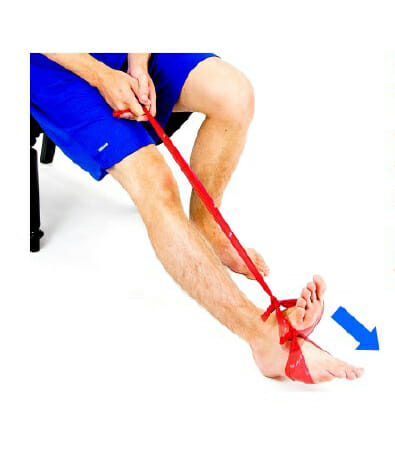
At Home Ankle Strengthening Exercises and Stability

Ankle Strengthening Exercises FAQ – Sprains, Weak Ankles and Recovery